Nigeria farm price surge blunts central bank rate cut outlook
A severe domestic agricultural supply shock is masking genuine disinflation in Nigeria's broader economy, severely limiting the central bank's ability to cut interest rates next year.
Nigeria’s headline inflation slowed to 15.91% year-on-year in June, but the top-line number obscures a structural shift in consumer prices. Month-on-month inflation eased to 1.66% from 1.75% in May, according to the National Bureau of Statistics.
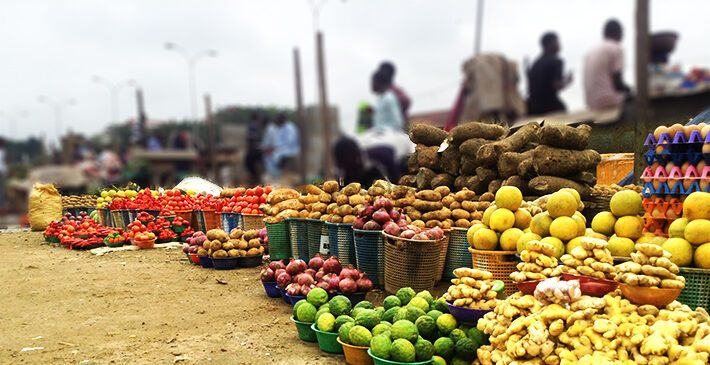
Beneath the headline, the data reveals a stark divergence. While core prices cooled genuinely, monthly food inflation accelerated to 3.75% from 2.98%. Farm produce prices alone surged 4.42% month-on-month, a massive jump from 0.86% in May.
Zrosk Equity Research notes that farm produce constitutes 26.61% of the overall consumer price index and roughly 95% of the food basket. Consequently, this single sub-component added 1.18 percentage points to June’s 1.66% monthly inflation print, accounting for 71% of the total increase. In May, farm produce contributed just 13%.
This represents a fundamental break from recent inflation drivers. The pressure is no longer rooted in energy costs or broad demand, but rather in domestic agricultural supply conditions. “This increase came from a sub-component driven solely by domestic agricultural supply conditions,” Zrosk added, noting conventional inflation models failed to predict the spike.
For the Central Bank of Nigeria, this creates a policy trap. Interest rate adjustments cannot fix broken supply chains or poor harvests. If farm produce inflation remains elevated in July, headline monthly inflation will likely stay above 1.5% regardless of exchange rate stability or energy price developments.
The persistence of these supply-side pressures is already reshaping market expectations for monetary easing. Standard Chartered Plc now expects the CBN to cut interest rates by only 150 basis points in 2026, forecasting the Monetary Policy Rate will end next year at 25%.
The bank raised its average inflation forecast for 2026 to 15.5%, up sharply from a previous estimate of 12%. Lingering food inflation has effectively eliminated the room for aggressive rate cuts, forcing investors to price in a prolonged period of tight financial conditions.