Oil Posts Biggest Weekly Gain Since April on Hormuz Blockade
Crude oil is heading for its largest weekly gain since April after US military strikes and a naval blockade halted traffic through the Strait of Hormuz, severely constraining Middle East supply.
Oil prices are poised for a 12% weekly surge, marking the steepest climb since April, as military conflict between the United States and Iran chokes off a critical maritime chokepoint. Brent crude rose 1% to $85.06 in early Asian trading on Friday, while US benchmark WTI gained 1.2% to reach $79.88 per barrel. Both benchmarks touched their highest levels in over a month after Brent breached the $86 threshold earlier in the week.
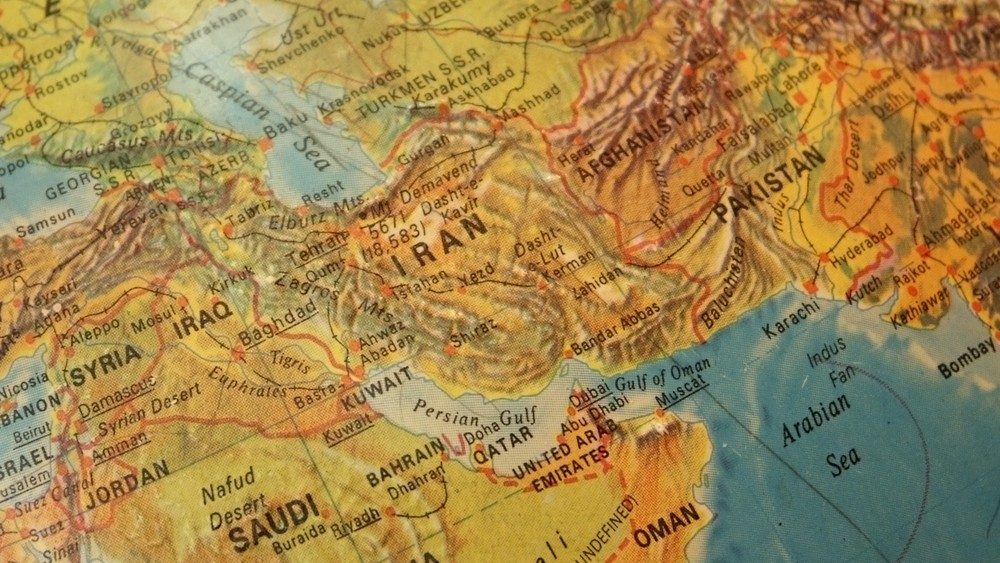
The immediate catalyst for this price spike is the effective halt of tanker traffic through the Strait of Hormuz. A collapsed ceasefire and a reinstated US naval blockade in the Gulf of Oman are preventing commercial vessels from safely navigating the passage. While the blockade is specifically designed to stop Iran from exporting its own crude, it has paralyzed the broader transit of Middle Eastern oil supplies to global markets.
The current escalation began when Iran struck two UAE-managed oil supertankers transiting the strait's southern lane, a corridor generally considered to be under US control. Washington responded by broadening its military posture, with US forces striking and disabling an Iran-linked, sanctioned oil tanker near Iran's key Kharg Island export terminal deep in the Persian Gulf. These tit-for-tat attacks have shattered any near-term market expectations for a normalized flow of crude through the region.
On the military front, the US has now conducted strikes on Iranian soil for six consecutive nights. US Central Command confirmed early Friday that precision munitions hit dozens of targets, including coastal surveillance sites, air defense installations, and maritime logistics infrastructure. "At the Commander in Chief's direction, CENTCOM is further degrading Iranian military capabilities and holding Iran accountable for recent attacks on commercial shipping," the US military said.
Red Sea risks compound supply fears
The threat to global crude supplies is not limited to the Persian Gulf. Iran-aligned Houthi forces in Yemen are reportedly awaiting a green light from Iran’s Islamic Revolutionary Guard Corps to close the Bab el-Mandeb Strait. If executed, this move would choke off tanker traffic via the Red Sea, introducing a second major bottleneck to global energy logistics.
For financial markets, the physical removal of Middle East barrels is rapidly rewriting near-term supply and demand balances. Traders are forced to price in a sustained risk premium as the probability of a swift diplomatic resolution evaporates. Until maritime traffic safely resumes, investors should brace for elevated volatility and continued upward pressure on front-month crude contracts.