Djokovic U.S. Open Exit Underscores Athlete Brand Value Beyond Tournament Winnings
Novak Djokovic’s shock first-round defeat at the U.S. Open highlights how elite tennis players increasingly rely on lucrative off-court corporate partnerships to insulate their earnings from on-court volatility.
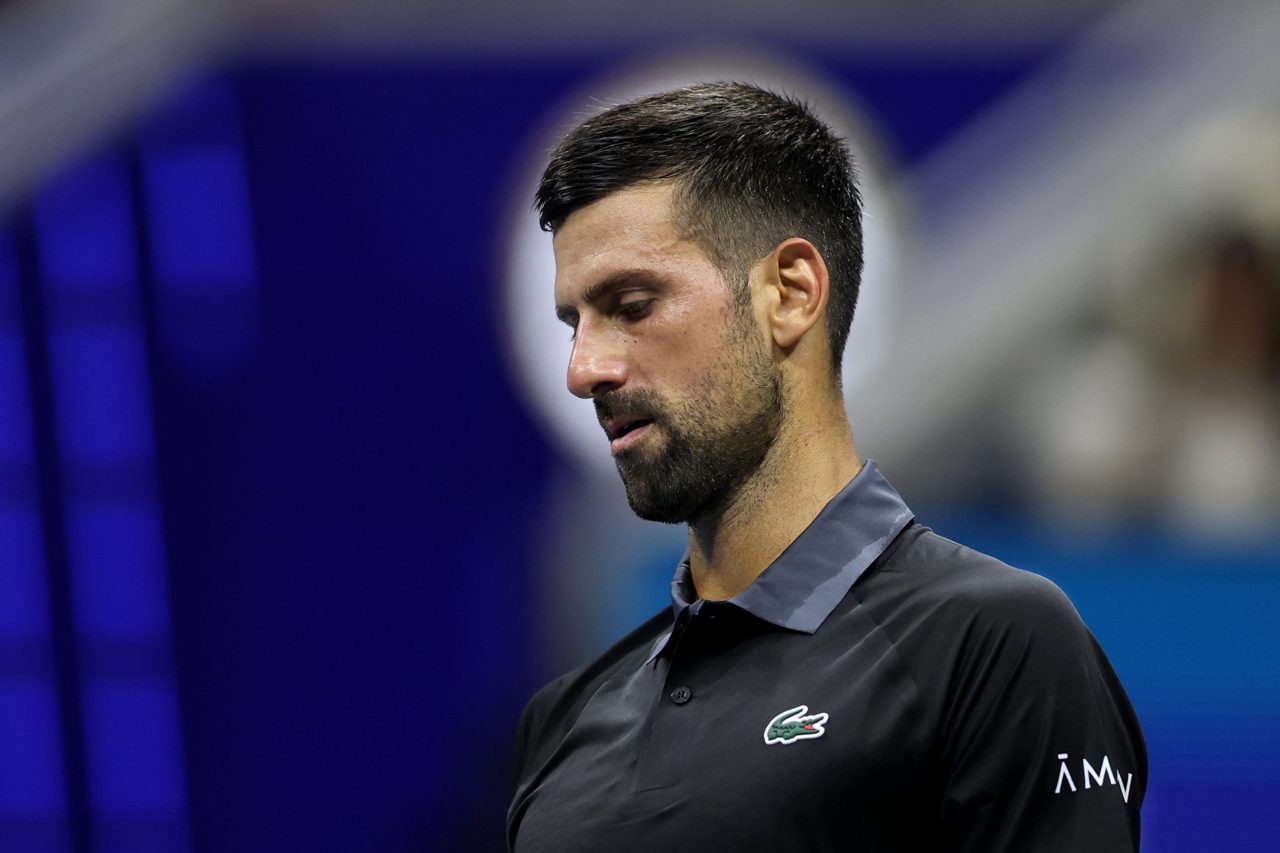
Novak Djokovic suffered a first-round defeat at the U.S. Open, losing in five sets to unseeded Argentine Mariano Navone. The 39-year-old Serbian star stated his body began to “collapse” during the nearly five-hour match, ending his streak of 78 consecutive first-round Grand Slam wins.
Despite the early exit, Djokovic secures a guaranteed $140,000 from the tournament’s main-draw prize pool. His financial position remains heavily insulated by off-court revenue, which totaled $25 million last year compared to $5.2 million in on-court earnings.
Djokovic maintains a diverse corporate sponsor portfolio, including partnerships with Lacoste, Qatar Airways, Hublot, and General Atlantic. This commercial structure ensures that a single tournament upset does not materially disrupt his overall valuation as a global sports asset.
The U.S. Open is distributing a record $108 million in total player compensation this year. This represents a 20 percent increase from the previous year’s $90 million, marking the largest prize pool in tennis history.
The tournament allocates $37.84 million for singles competitors and $13 million across all doubles events. Singles champions will take home $5.5 million, while quarterfinalists earn $780,000 and round of 32 participants secure $290,000.
However, these escalating prize payouts represent only a fraction of top players' total annual income. Forbes data indicates that off-court endorsements and investments now dominate elite tennis earnings.
Italian player Jannik Sinner currently leads the sport’s earnings with an estimated $58 million annually. Approximately $35 million of that total comes from corporate partnerships with Allianz, Gucci, and Lavazza.
Similarly, Carlos Alcaraz generates $38 million of his $53.7 million annual income outside the arena. For sports marketers and investors, Djokovic’s exit reinforces that the commercial value of elite athletes is anchored in long-term brand equity rather than weekly match outcomes.