Chicago Fed President Goolsbee warns AI buildout risks economic overheating
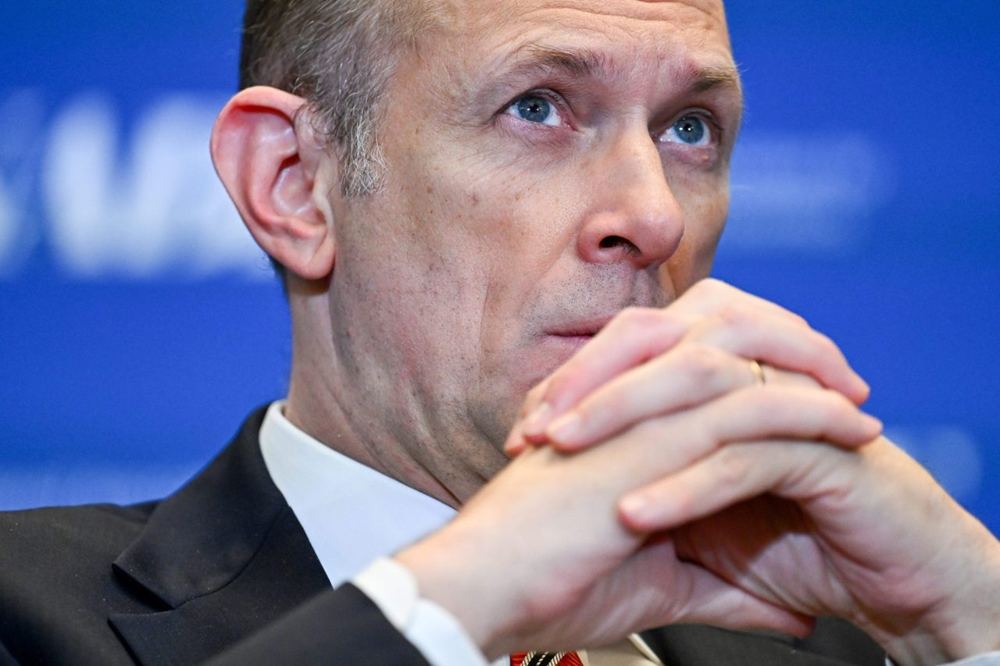
Federal Reserve policymaker Austan Goolsbee supports holding interest rates steady to monitor inflation, warning that artificial intelligence infrastructure investments risk overheating the economy while consumer spending remains the primary driver of growth.
Chicago Federal Reserve President Austan Goolsbee backed holding the central bank’s base rate at its July meeting, citing recent signs of cooling inflation. Speaking after new Federal Reserve chairman Kevin Warsh highlighted price pressures at the Jackson Hole symposium, Goolsbee agreed that inflation remains the primary challenge for the rate-setting Federal Open Market Committee. He noted that while the all-items consumer price index fell 0.4% in June and remained flat in July, policymakers need to see if this improvement is sustained.
Beyond traditional inflation metrics, Goolsbee expressed concern over the rapid expansion of artificial intelligence data centers. He described the sector as "very hot" but warned it is competing for resources like construction workers and HVAC equipment, effectively pushing down other parts of the economy. While this currently represents a sector rebalance rather than aggregate overheating, he cautioned that the economy is not far from crossing that threshold if the buildout drives up services inflation.
The policymaker also pushed back against the sweeping economic prophecies made by technology executives regarding AI productivity. He argued that if AI productivity gains are fully expected and heavily hyped, it will cause "old-fashioned overheating" as rising equity values spur massive immediate capital investment and consumer spending. Goolsbee contrasted this with the "grubby day job" of monetary policy, noting that a recent Federal Reserve study showed micro-level AI productivity gains are not yet adding up in aggregate.
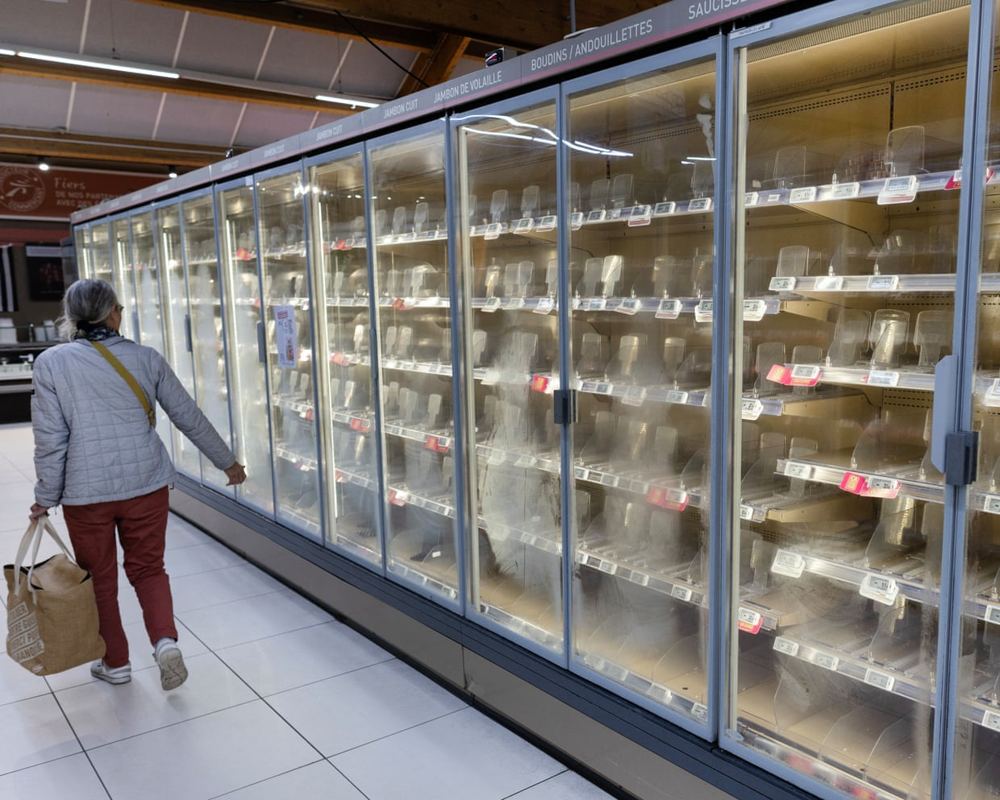
Persistent supply-side shocks from Middle East oil disruptions and tariffs further complicate the inflation outlook. Goolsbee argued that modern geopolitical supply chains take longer to repair than theoretical models suggest, making these shocks substantially more persistent than the transitory label implies. The FOMC must now carefully balance the risk of overreacting to these disruptions against the danger of enduring above-target inflation.
Ultimately, Goolsbee believes the greatest threat to economic stability is a breakdown in ordinary consumer spending. He emphasized that broad-based consumption, rather than AI infrastructure, has kept the labor market and overall economy stable. Shifting the public and market focus away from data centers and back to the consumer is essential, as any hiccup in household spending would severely shake the broader economy.