Deoleo flags end to olive oil volatility as Spanish prices plunge
Deoleo has declared the end of a historic supply crisis in the olive oil sector, signaling a return to pricing predictability and a demand recovery in the crucial U.S. market.
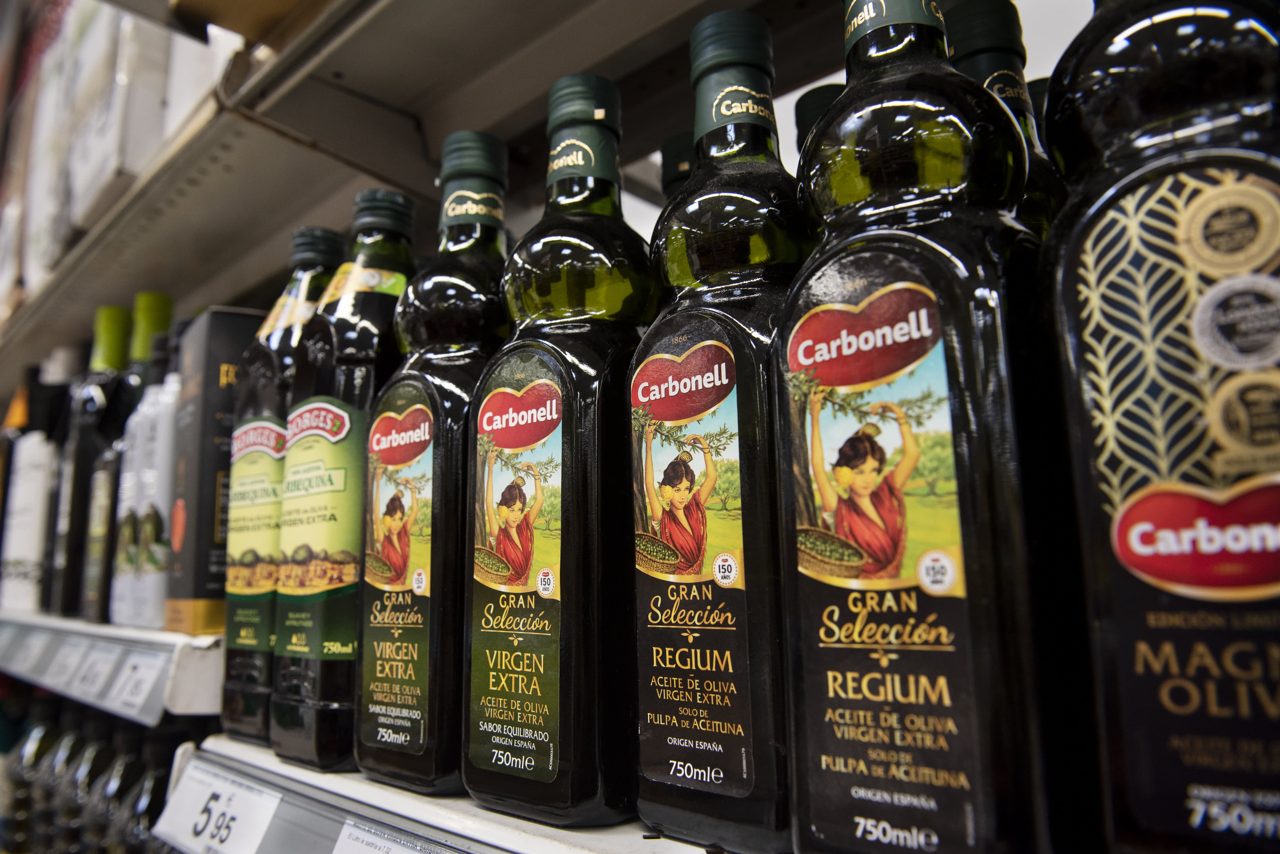
Deoleo CEO Cristóbal Valdés has declared that the severe market turbulence of the past three years is over. "The highly complex market cycle experienced between 2022 and 2024, which had a severe yet temporary impact on the industry, is now definitively behind us," Valdés said. The world's largest olive oil company, which owns brands like Bertolli and Carbonell, previously characterized that stretch as one of the most challenging in the sector's history.
The normalization is most evident in Spanish wholesale prices, which serve as the global benchmark for the commodity. Extra virgin olive oil (EVOO) currently trades at roughly €3.9 per kilogram, according to the European Commission's latest weekly data. This marks a dramatic retreat from the record high of €9.3 per kilogram struck in January, a level that shocked industry veterans and severely strained consumer budgets.
The price collapse stems from a physical recovery in European groves. Favorable rainfall across Spain, Italy and Greece has reversed the crop damage inflicted by severe droughts and searing heat. This restored agricultural output is rebuilding global inventories. "This supply stabilization provides greater predictability across the entire value chain and allows us to anticipate a more stable pricing environment," Valdés said.
For investors, the critical question is whether this price drop successfully unlocks pent-up demand. Deoleo's data suggests it does, particularly in the U.S. market. Lower shelf prices have driven a consistent increase in American purchasing households across all income brackets. "This, in turn, is driving a recovery in global household demand," Valdés added, confirming that demand elasticity remains intact for the cooking staple.
The company is also leaning on product innovation to protect margins and market share as raw material costs ease. Deoleo specifically credited a packaging redesign for helping to accelerate its U.S. sales volumes. "Squeeze formats are already driving 40% of the entire category's growth in the country," Valdés noted, pointing to the Bertolli "Dress and Drizz" bottle.
"I believe the primary market driver is innovation tailored to modern culinary habits, especially for younger consumers," he said. Catering to these new buyers is central to Deoleo's strategy to expand its footprint in the American market.
Despite the improved outlook, structural risks to the supply chain persist. Analysts continue to warn that climate change, water scarcity, and disease pressures could easily trigger another dramatic swing in global supplies. For now, however, Deoleo is betting that the worst of the volatility has passed.