Japan adds BOJ independence footnote to economic blueprint
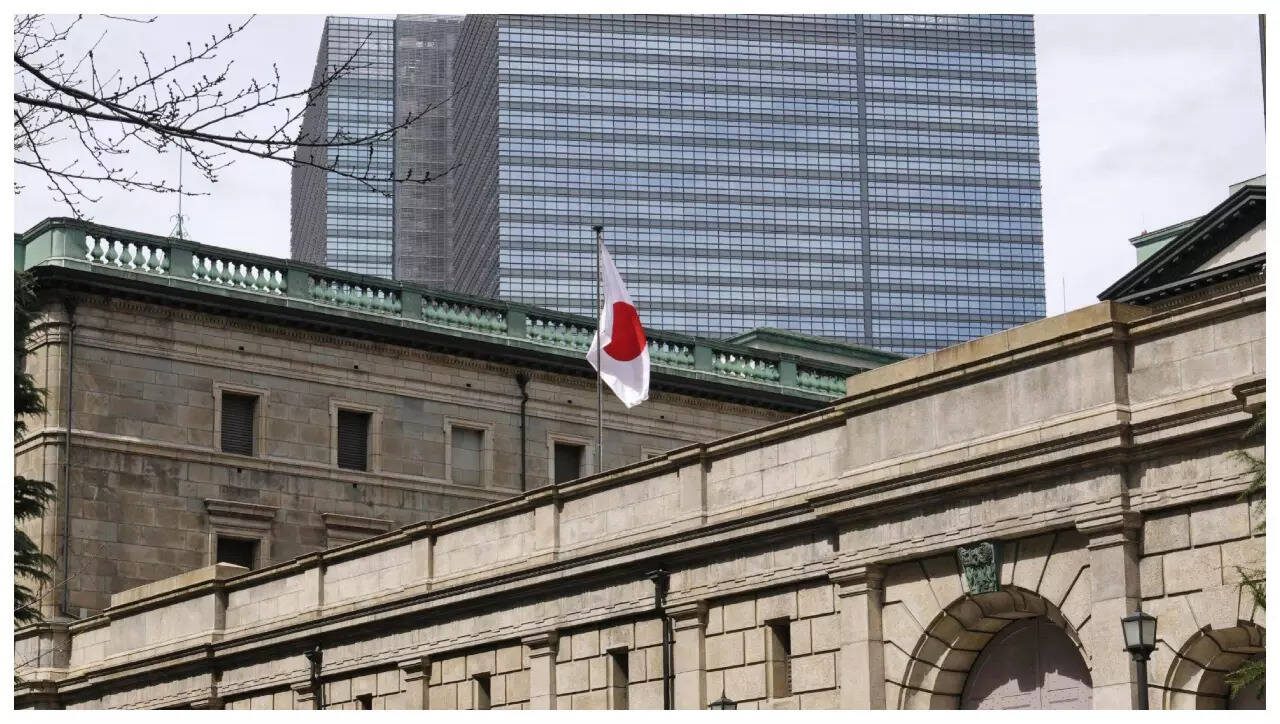
Japan revised its economic blueprint to explicitly protect central bank independence after an earlier draft triggered a selloff in the yen and government bonds.
Japan revised its economic blueprint to explicitly protect central bank independence after an earlier draft triggered a selloff in the yen and government bonds. The initial version stated that the Bank of Japan must align its actions with government economic policy but omitted the legal provision granting the central bank sole authority over monetary policy. That absence fuelled investor fears that Prime Minister Sanae Takaichi’s administration was seeking to delay further interest rate hikes.
The final text addresses those concerns by adding a footnote that explicitly references the legal safeguard protecting BOJ independence. While maintaining the statutory requirement for government and central bank coordination, the blueprint reaffirms that an independent monetary framework is essential for a strong economy and stable price growth. The revised wording reinforces the BOJ's institutional independence while preserving the government's broader role in coordinating economic policy.
The document is expected to receive cabinet approval on Tuesday. The revision calms a market sensitive to the balance of power between Tokyo and the central bank, particularly as Takaichi and her advisers have repeatedly urged the BOJ to exercise caution before implementing additional rate hikes. They argue that accommodative policy is required to support the economy, a stance markets initially feared might override the central bank's legal autonomy.
Beyond monetary policy, investors are focusing on a separate fiscal timeline outlined in the blueprint. The government stated it will decide by early August whether to reduce the 8% consumption tax on food, and by what margin. Because the document links appropriate monetary policy to stable price growth, any adjustment to food taxation carries significance for investors assessing the trajectory of Japanese interest rates.
The market reaction to the initial draft highlights the persistent sensitivity surrounding central bank autonomy in Japan. By explicitly citing the legal protections for the BOJ, the government has moved to clarify that policy coordination will not cross into interference. This provides the clarity that bond and currency markets demanded before the blueprint's formal adoption.