U.S. Treasury backs Bank of Japan rate hike to anchor yen and inflation
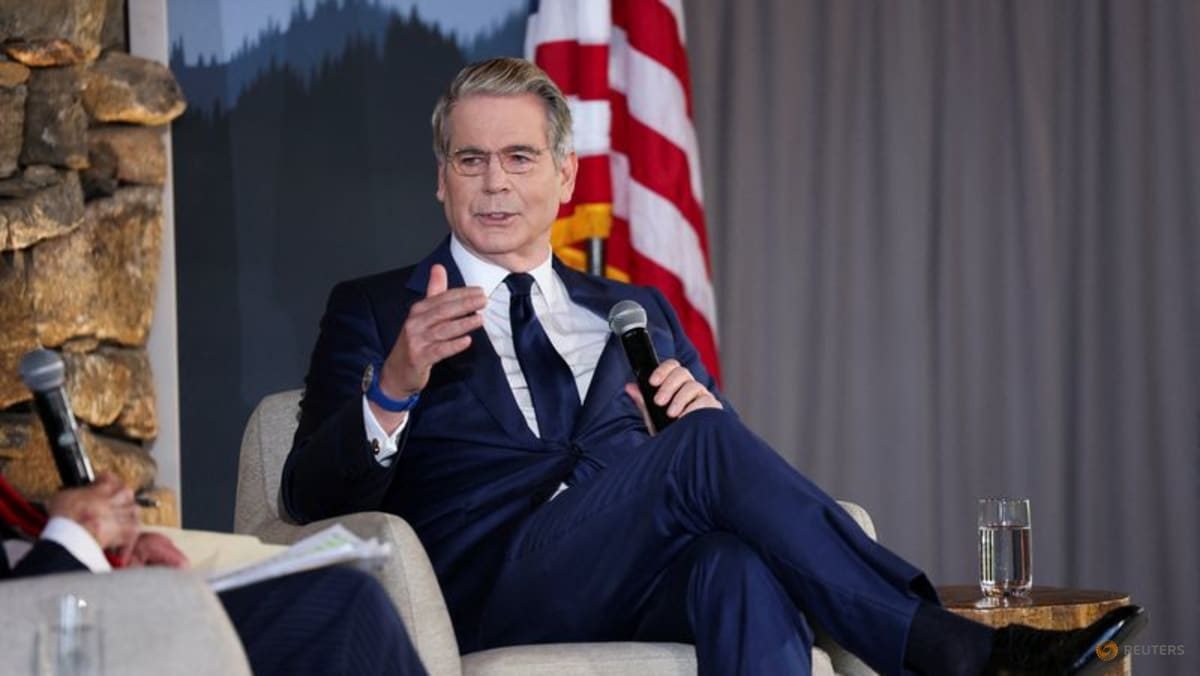
U.S. Treasury Secretary Scott Bessent has publicly backed a Bank of Japan interest rate increase, intensifying market expectations for a September policy tightening to curb inflation and currency volatility.
U.S. Treasury Secretary Scott Bessent has thrown explicit weight behind a Bank of Japan interest rate increase following a meeting with Governor Kazuo Ueda. The Treasury Department stated that Bessent voiced strong support for decisive monetary steps to address the substantial undervaluation of the yen.
The officials convened on Sunday during the G20 finance leaders gathering in Asheville, North Carolina. Bessent emphasized the necessity of sound policy formulation to anchor inflation expectations and prevent excess exchange rate volatility.
This diplomatic push significantly raises the stakes for the central bank ahead of its September 17-18 policy meeting. A weak currency has driven up import costs, exacerbating domestic inflationary pressures and increasing the cost of living for Japanese households.
Financial markets are now near fully pricing in a borrowing cost increase next month. Such a move would follow the central bank’s June decision to lift its policy rate to a 31-year high of 1 per cent.
Coordinated Currency Oversight
Beyond monetary policy, the United States and Japan are aligning on currency stability. Japanese Finance Minister Satsuki Katayama met with Bessent on Monday, where both agreed to continue coordinating efforts to ensure orderly yen movements.
This dialogue follows a rare joint yen-buying intervention by the two nations on July 31. That operation failed to establish a sustained floor under the sagging currency, shifting the burden of stabilization squarely onto monetary policy.
Bessent recently noted that current yen fluctuations do not yet qualify as disorderly. Instead, he has directed his focus toward the central bank, stating he expects Ueda to do the right thing to combat ongoing currency declines.
Executing a hike in September rather than October could fundamentally alter market expectations for the BOJ’s tightening trajectory. Analysts suggest this timing would fuel speculation that the central bank will accelerate its pace to one rate increase per quarter.
Since initiating its tightening cycle in 2024, the BOJ has historically raised rates at a pace of roughly twice a year. A recent spike in wholesale inflation has already triggered internal warnings about a potential inflation overshoot, making decisive action increasingly urgent.