Nigeria FX reserves surge to $52bn as growth lags
Nigeria’s central bank has rebuilt foreign exchange reserves to $52 billion, yet a new report shows household incomes are still contracting, making gas infrastructure the critical frontier for investors.
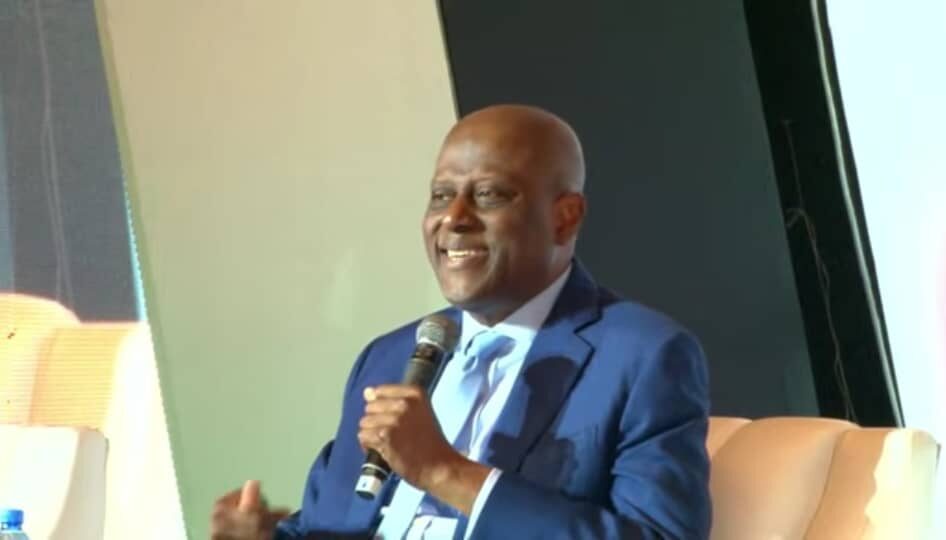
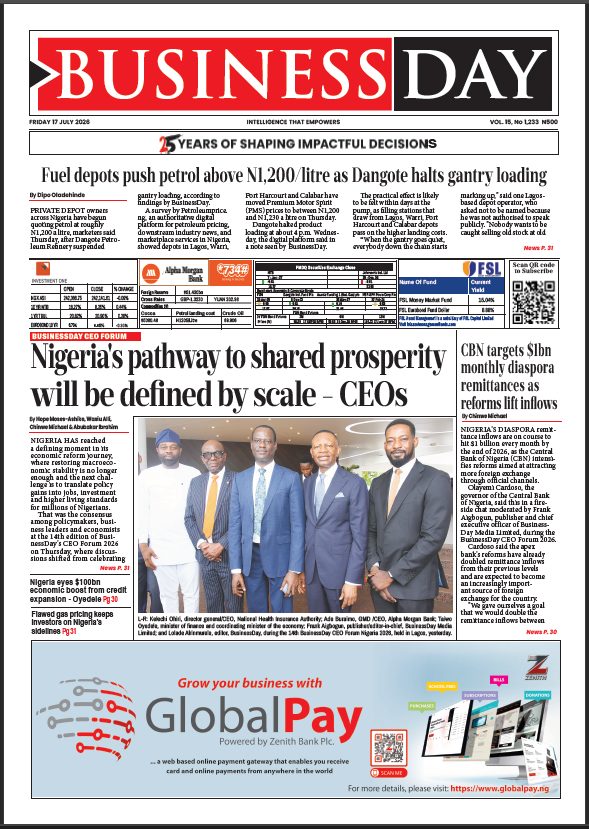
Nigeria’s gross foreign exchange reserves have climbed to approximately $52 billion, up from a net position of just $3 billion when the country’s reform programme began, according to Central Bank of Nigeria Governor Olayemi Cardoso.
The recovery underscores the success of monetary and exchange-rate liberalisation in restoring credibility to the country's external position. “When we started, the net exchange reserves figure was in the region of about $3 billion-plus. That figure created significant concern in the market,” Cardoso said.
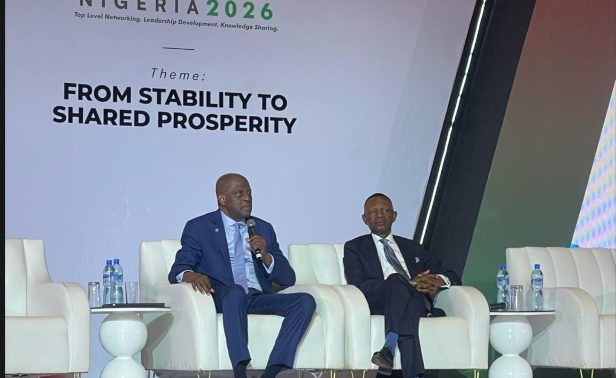
For investors, however, this macroeconomic stability has not yet translated into broad-based wealth creation. A KPMG report unveiled at the BusinessDay CEO Forum 2026 showed Nigeria met only two of fifteen shared prosperity indicators benchmarked against emerging market peers including Indonesia, Vietnam and Malaysia.
The data reveals deep structural bottlenecks constraining consumer markets. GDP growth of 3.87 percent remains too low to lift living standards, while GDP per capita sits at just $1,224 compared to a $10,000 peer average. Labour productivity growth is also subdued at 1.1 percent, against a 4.2 percent average.
Real household disposable income contracted by 2.63 percent, with 33 percent of Nigerians living in multidimensional poverty. The findings indicate that while financial market confidence has returned, household welfare is still deteriorating.
Market participants see the gap between financial stability and contracting real incomes as pointing to a specific investment bottleneck: energy. Industry executives identified the fragmented gas value chain as the primary constraint on converting macroeconomic reforms into industrial expansion.
Gas already accounts for over 80 percent of Nigeria’s electricity generation, but infrastructure shortfalls limit its economic impact. “If we’re able to bring more gas to the table, we would be doing so much in enabling the environment and the economy,” said Adegbite Falade, managing director of Aradel Holdings.
Executives argue that resolving pricing and payment security issues, alongside completing strategic assets like the AKK pipeline, could unlock 2.2 billion cubic feet of additional gas. “Five years from now, Nigeria should be running on gas,” said Effiong Okon, chief executive officer-designate of Seplat Energy, calling it the country’s “industrialisation fuel.”
Separately, Finance Minister Taiwo Oyedele said the government is targeting $100 billion in incremental economic value from expanding the credit economy. This forms a core part of Abuja’s plan to build a $1 trillion economy by 2030.
The immediate test for policymakers is ensuring these structural shifts materialise. “We’ve achieved hard-earned stability, and with stability comes potential for investment. With investment comes growth, and all our local CEOs should be part of that train that is moving,” Cardoso said.