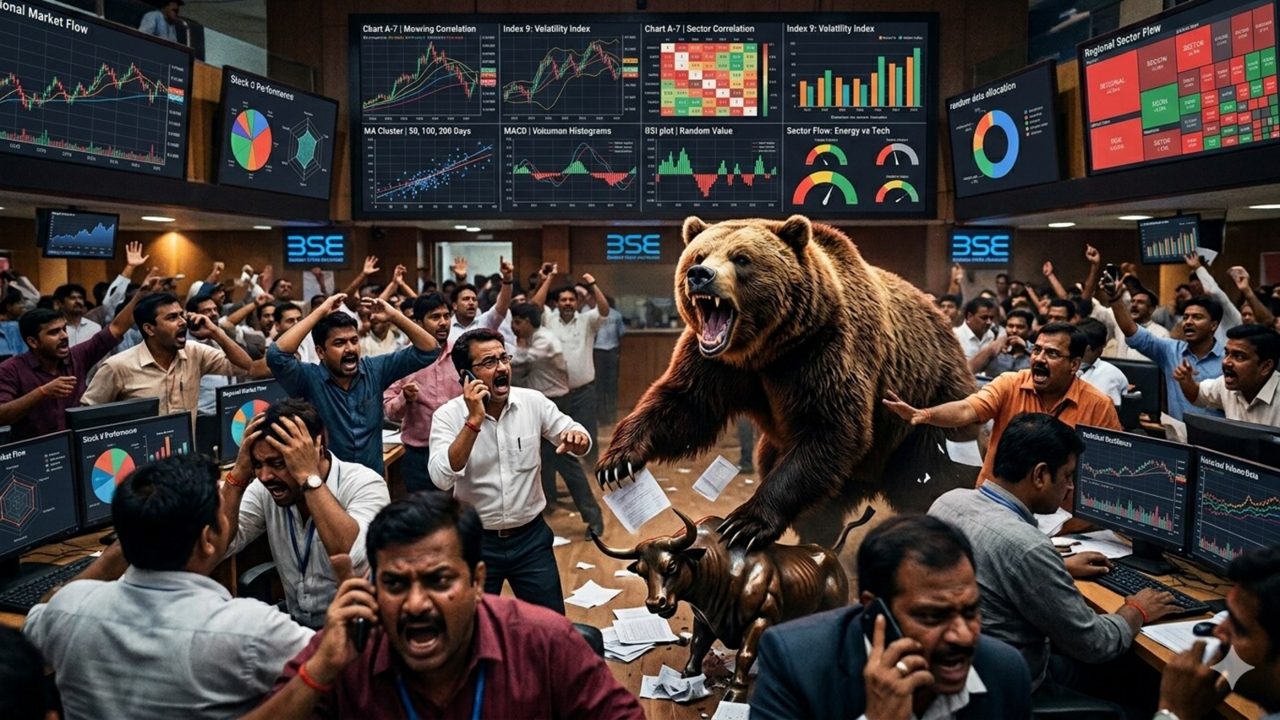
Bond selloff deepens and stocks drop as oil prices stoke inflation fears
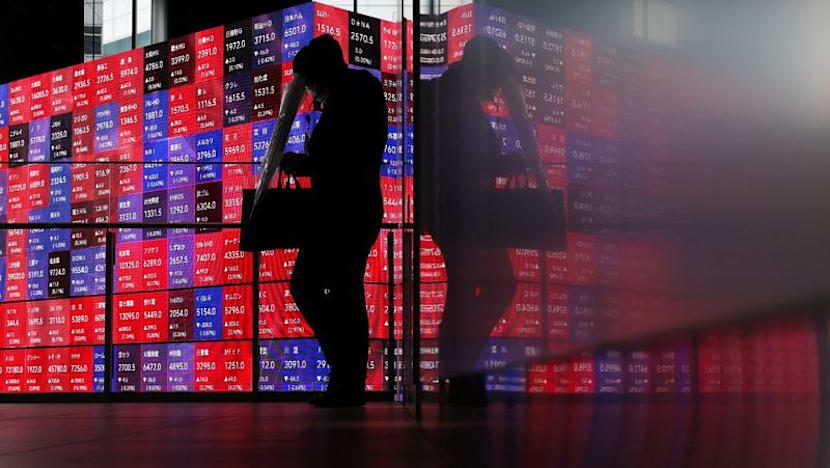
NEW YORK/LONDON, Sept 1 : Global bond yields rose on Tuesday, extending a broad-market selloff in government debt fed by inflation fears, while oil prices surged to five-week highs after a new round of U.S. strikes against Iran refocused attention on the simmering Middle Eastern conflict.
The yield on the benchmark U.S. 10-year Treasury note rose 3.4 basis points to 4.792 per cent after at one point touching 4.798 per cent, highest since January 2025. The 10-year yield has risen for five straight sessions, its longest run since March.
Earlier, Japan's 10-year benchmark yield hit 3 per cent for the first time since 1996, while British and euro zone yields hit over-10-year highs. Yields move inversely to prices.
CNA Games Guess Word Crack the word, one row at a time Buzzword Create words using the given letters Mini Sudoku Tiny puzzle, mighty brain teaser Mini Crossword Small grid, big challenge Word Search Spot as many words as you can Show More Show Less "The global bond selloff is putting worldwide central banks on notice," said Jake Dollarhide, chief executive officer of Longbow Asset Management in Tulsa, Oklahoma. "Potentially, it's rate hikes across the board. That's not good for any company including tech," he said. Higher rates increase borrowing costs for businesses as well as consumers. Higher oil prices are contributing to the inflation worries. New air strikes on Iranian targets fanned worries of a wider renewal of hostilities in the six-month conflict. Since joint U.S.-Israeli strikes on Iran at the end of February, the world's energy reserves have run down due to the closure of the crucial Strait of Hormuz, putting upward pressure on fuel prices. Oil settled at five-week highs. Brent futures rose $4.16, or 4.6 per cent, to $94.65 a barrel. U.S. West Texas Intermediate (WTI) crude rose $4.46, or 5.2 per cent, to $90.22. That was the highest close for Brent since July 24 and the highest for U.S. crude since July 23. Euro zone inflation rose back above 3 per cent in August due to higher energy costs, bolstering the case for a September rate hike from the European Central Bank. Investors are also increasingly of a mind that the U.S. Federal Reserve could raise rates at its meeting in two weeks. Chair Kevin Warsh gave a hawkish speech last week on the inflation outlook that was followed up by Fed Governor Michael Barr on Tuesday, who said if inflation does not cool quickly, it will be time for the Fed to raise rates. Expectations for a hike of at least 25 basis points from the Fed at its September 15 to 16 meeting stand at 66.2 per cent, according to CME Group's FedWatch Tool, up from 39.6 per cent a week ago. Wall Street's major stock indexes fell and a global equity index was down as well. The Dow Jones Industrial Average fell 419.02 points, or 0.8 per cent, to 52,766.88, the S&P 500 fell 54.67 points, or 0.7 per cent, to 7,631.47 and the Nasdaq Composite fell 271.11 points, or 1 per cent, to 26,099.77. Seasonal weakness could be weighing on investor sentiment. September is the only month with a negative average return since 1926, according to Fisher Investments, which cited data from Finaeon. MSCI's gauge of stocks across the globe fell 6.49 points, or 0.56 per cent, to 1,142.73. The pan-European STOXX 600 index fell 0.56 per cent. The dollar strengthened against major currencies. Higher yields drive investors to buy safe-haven currencies like the U.S. dollar. The dollar index, which measures the greenback against a basket of currencies including the yen and the euro, rose 0.27 per cent to 99.68, with the euro down 0.23 per cent at $1.1589. The Japanese yen fell 0.3 per cent to 160.19 per dollar. U.S. August jobs and consumer price inflation data, which are both due before the Fed's next meeting, may now be key to whether the U.S. central bank hikes next month. This Friday's jobs report is expected to show that employers added 56,000 jobs last month, according to the median estimate of economists polled by Reuters. Gold dropped to a two-week low amid the elevated Treasury yields and stronger U.S. dollar. Spot gold fell 2.69 per cent to $4,328.60 an ounce.
"The global bond selloff is putting worldwide central banks on notice," said Jake Dollarhide, chief executive officer of Longbow Asset Management in Tulsa, Oklahoma.
"Potentially, it's rate hikes across the board. That's not good for any company including tech," he said. Higher rates increase borrowing costs for businesses as well as consumers.
Higher oil prices are contributing to the inflation worries. New air strikes on Iranian targets fanned worries of a wider renewal of hostilities in the six-month conflict. Since joint U.S.-Israeli strikes on Iran at the end of February, the world's energy reserves have run down due to the closure of the crucial Strait of Hormuz, putting upward pressure on fuel prices.
Oil settled at five-week highs. Brent futures rose $4.16, or 4.6 per cent, to $94.65 a barrel. U.S. West Texas Intermediate (WTI) crude rose $4.46, or 5.2 per cent, to $90.22. That was the highest close for Brent since July 24 and the highest for U.S. crude since July 23.
Euro zone inflation rose back above 3 per cent in August due to higher energy costs, bolstering the case for a September rate hike from the European Central Bank.
Investors are also increasingly of a mind that the U.S. Federal Reserve could raise rates at its meeting in two weeks. Chair Kevin Warsh gave a hawkish speech last week on the inflation outlook that was followed up by Fed Governor Michael Barr on Tuesday, who said if inflation does not cool quickly, it will be time for the Fed to raise rates.
Expectations for a hike of at least 25 basis points from the Fed at its September 15 to 16 meeting stand at 66.2 per cent, according to CME Group's FedWatch Tool, up from 39.6 per cent a week ago.
Wall Street's major stock indexes fell and a global equity index was down as well.
The Dow Jones Industrial Average fell 419.02 points, or 0.8 per cent, to 52,766.88, the S&P 500 fell 54.67 points, or 0.7 per cent, to 7,631.47 and the Nasdaq Composite fell 271.11 points, or 1 per cent, to 26,099.77.
Seasonal weakness could be weighing on investor sentiment. September is the only month with a negative average return since 1926, according to Fisher Investments, which cited data from Finaeon.
MSCI's gauge of stocks across the globe fell 6.49 points, or 0.56 per cent, to 1,142.73. The pan-European STOXX 600 index fell 0.56 per cent.
The dollar strengthened against major currencies. Higher yields drive investors to buy safe-haven currencies like the U.S. dollar.
The dollar index, which measures the greenback against a basket of currencies including the yen and the euro, rose 0.27 per cent to 99.68, with the euro down 0.23 per cent at $1.1589. The Japanese yen fell 0.3 per cent to 160.19 per dollar.
U.S. August jobs and consumer price inflation data, which are both due before the Fed's next meeting, may now be key to whether the U.S. central bank hikes next month.
This Friday's jobs report is expected to show that employers added 56,000 jobs last month, according to the median estimate of economists polled by Reuters.
Gold dropped to a two-week low amid the elevated Treasury yields and stronger U.S. dollar. Spot gold fell 2.69 per cent to $4,328.60 an ounce.
Our chief editor shares analysis and picks of the week's biggest news every Saturday.
Get our pick of top stories and thought-provoking articles in your inbox
Stay updated with notifications for breaking news and our best stories
Join our channel for the top reads for the day on your preferred chat app