India top-10 FII ownership hits two-decade low amid sector rotation
Foreign investors have reduced their stake in India's ten largest companies to a 20-year low, signaling a structural shift away from legacy banks and IT firms toward infrastructure, consumer internet, and upcoming mega-IPOs.
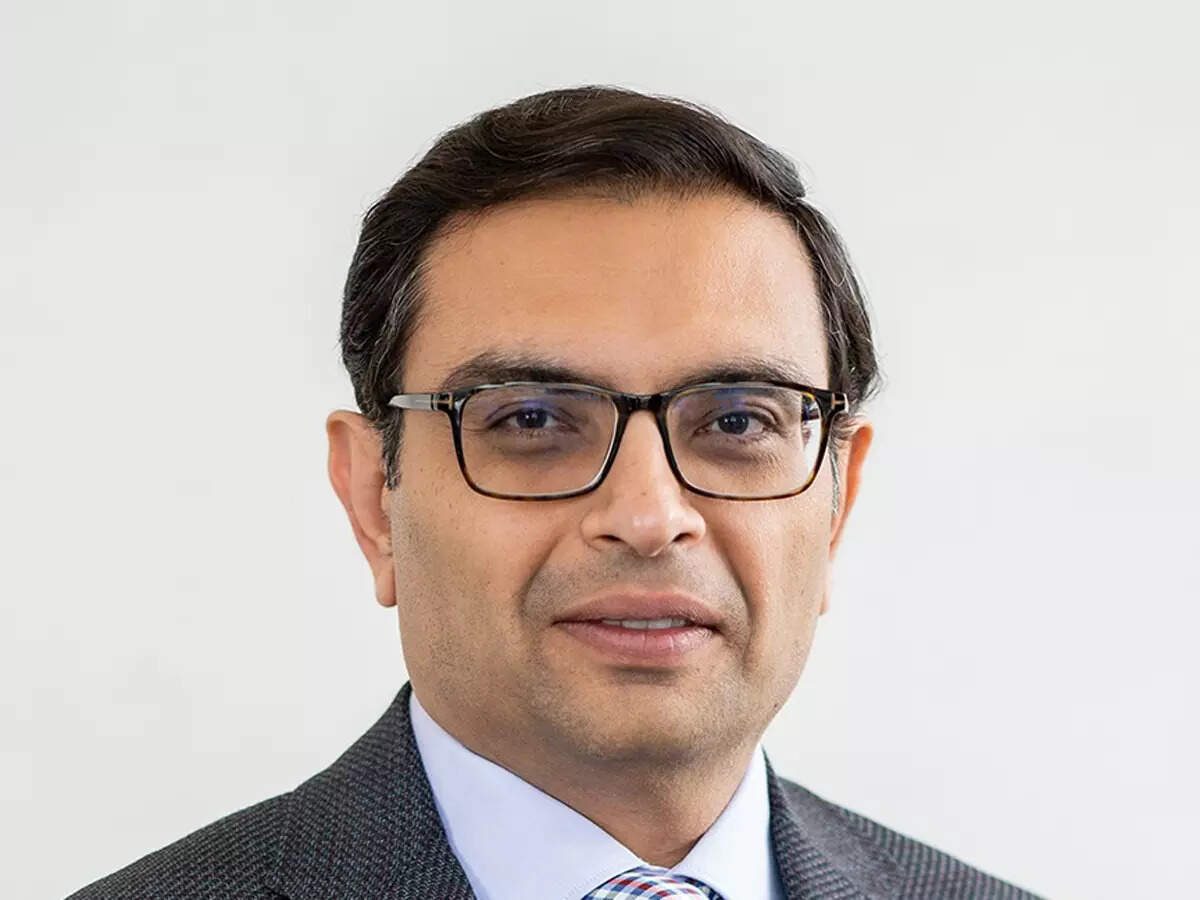
Foreign institutional ownership across India's ten largest listed companies has fallen to roughly 34% of free-float market capitalization, the lowest level in two decades. Hiren Ved, Director and Chief Investment Officer at Alchemy Capital, attributes this retreat to a combination of elevated valuations, India's taxation of foreign capital, and a perceived lack of direct exposure to artificial intelligence. However, he argues the headline numbers obscure a major structural reallocation.
For years, foreign funds concentrated their capital in a narrow basket of large-cap banks, IT services providers, and FMCG stocks. These sectors offered reliable compounding and ample liquidity, eliminating the need to venture deeper into the market. That strategy has faltered since the pandemic, as these legacy giants have largely failed to deliver returns. As these traditional holdings stagnate, foreign investors are actively liquidating them to fund new positions.
The outgoing capital is flowing toward sectors that mirror the growth trajectories foreign investors previously chased in China. Ved highlights a pronounced pivot toward Indian consumer internet platforms, including Swiggy, Nykaa, Meesho, Paytm, and Eternal. Beyond tech, funds are targeting capital-intensive infrastructure proxies like airports, which align with evolving Indian consumption patterns favouring discretionary spending and travel over traditional goods.
High-quality, large-cap listings represent the clearest path to reversing the broader outflow trend. Ved noted that mega-IPOs allow foreign institutions to deploy substantial capital without the friction costs associated with building positions in the secondary market. The upcoming NSE listing, alongside potential offerings like Jio, serves as a fresh proxy for Indian economic growth, giving foreign capital an easy re-entry point.
While India lacks the semiconductor and large-language-model companies driving the global AI rally, Ved sees a viable investment thesis in the physical infrastructure required to support it. Global hyperscalers expanding into India are driving unprecedented demand for data centre components, including transformers, cables, switchgear, and cooling systems. Consequently, India's electrical equipment, capital goods, and power sectors are positioned to capture significant wealth from the AI boom.
These domestic shifts unfold against a backdrop of mounting global protectionism. Ved warned that the global order is becoming increasingly transactional, with the US leveraging tariffs and military power to correct trade imbalances. For India, this elevates energy security to a critical vulnerability, as geopolitical shocks to oil prices immediately strain the current account. While domestic production incentives and renewable energy investments are steps in the right direction, this dependency remains a persistent constraint on the broader equity outlook.