Brent Crude Tops $90 as US-Iran Conflict Disrupts Strait of Hormuz Shipping
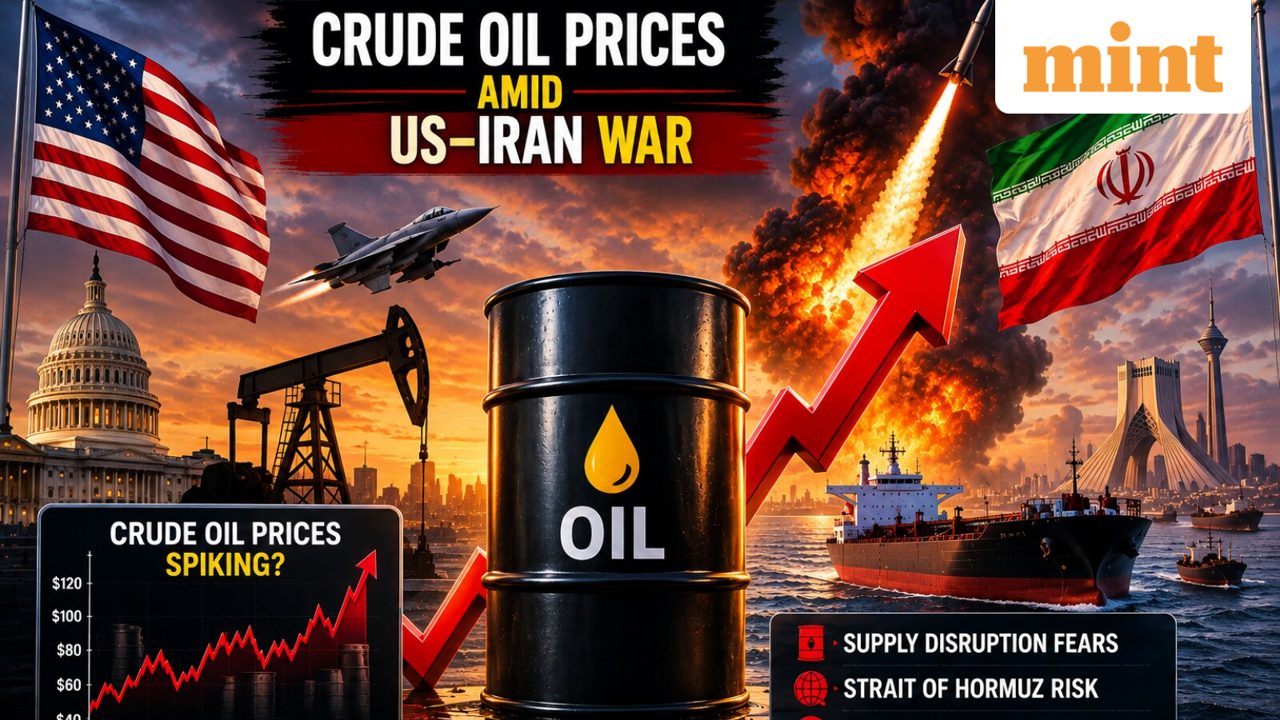
US-Iran war: Brent crude futures climbed 56 cents, or 0.6%, to $91.05 a barrel, while US West Texas Intermediate (WTI) crude gained 83 cents, or 1%, to $86.59 a barrel.
Brent crude futures rose 56 cents, or 0.6 percent, to $91.05 a barrel on Tuesday, while US West Texas Intermediate gained 83 cents, or 1 percent, to $86.59. This advance follows a strong prior session where Brent settled 2.7 percent higher and WTI advanced 2.8 percent.
US President Donald Trump warned Monday of additional strikes against Iran after the two nations exchanged direct attacks on Sunday. This marks the first such exchange in a month, escalating a conflict that has increasingly shifted into an economic standoff.
The geopolitical friction is actively choking a critical energy artery. Shipping data from Kpler shows visible commodity vessels passing through the Strait of Hormuz dropped to just five per day over the weekend.
Before the conflict escalated in late February, the strait facilitated roughly one-fifth of global oil supplies. Iran closed the waterway following US and Israeli attacks on February 28, and mediation efforts by Qatar and Oman have yet to yield progress.
Physical risks to energy infrastructure remain acute. The United Kingdom Maritime Trade Operations reported Tuesday that a tanker was struck by three projectiles while departing the strait, though no casualties or environmental damage occurred.
Securing Alternative Reserves
Market participants are closely monitoring alternative supply mechanisms as the Middle East risk premium builds. On Friday, President Trump announced a new agreement with Venezuela to secure control over the country’s oil reserves.
The arrangement aims to replenish the US Strategic Petroleum Reserve, which currently sits near a 44-year low. Several major energy firms, including Chevron, GE Vernova, India’s ONGC, Italy’s Eni, and Colombia’s GeoPark, are expected to finalize energy project agreements in the OPEC nation following months of negotiations.
For investors and corporate planners, the dual dynamics of Middle East supply constraints and shifting Atlantic basin alliances will dictate near-term volatility. Any further disruption in the Strait of Hormuz will likely force a rapid reassessment of global crude valuations.