Shein shares set to open flat in Hong Kong debut following $26.5 billion IPO
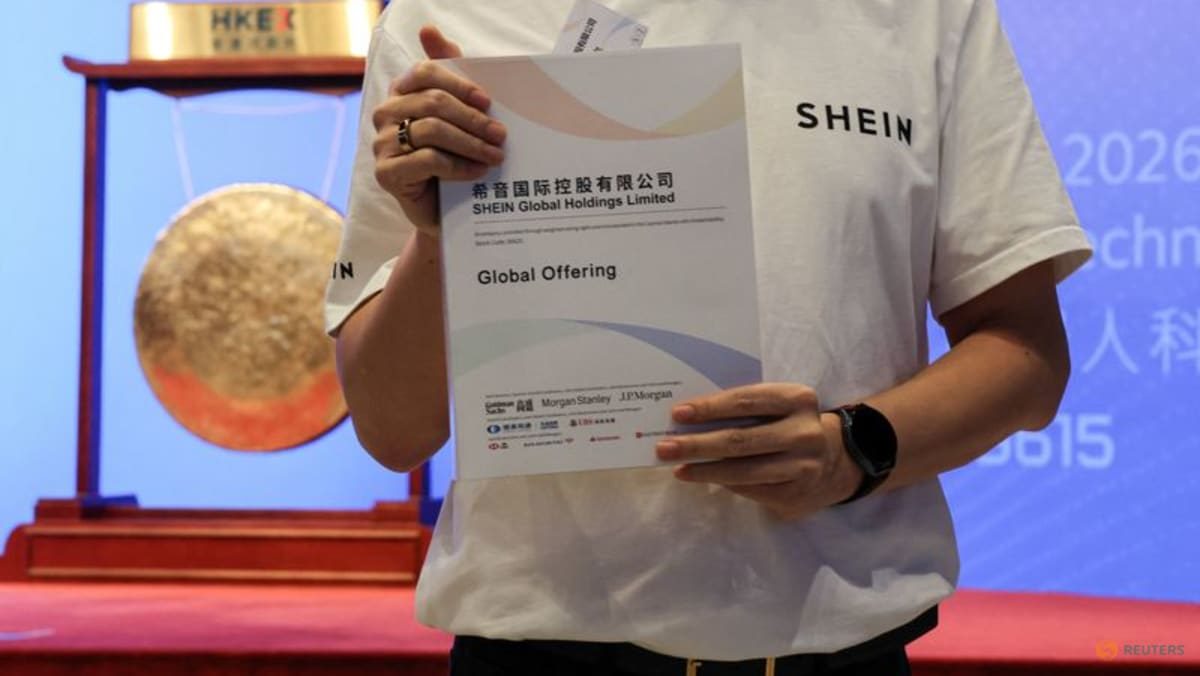
The fast-fashion retailer’s long-delayed Hong Kong listing highlights a stark valuation drop and ongoing regulatory headwinds that will test investor appetite for cross-border e-commerce equities.
Shares in fast-fashion retailer Shein are set to open flat during their market debut at the Hong Kong Stock Exchange on Tuesday. The muted launch caps a turbulent listing process marked by severe valuation compression and prolonged geopolitical friction. Chief Financial Officer Leigh Gui attended the listing ceremony as the company finally secured a public market foothold in Asia after years of delays.
The listing represents a dramatic fall from the company's historical peak. In 2022, the online retailer was widely recognized as one of the world's most valuable startups, commanding an estimated valuation of $100 billion. Last week’s initial public offering ultimately priced the business at approximately $26.5 billion, reflecting a massive destruction of paper wealth for early backers.
This steep markdown highlights mounting structural challenges for the brand, which built its global reputation on selling ultra-low-cost items like $5 tops and $10 dresses. The company has been significantly humbled by recent tariff and duty adjustments across the United States and Europe. These trade policy shifts have directly undermined the foundational economics of its cross-border supply chain model.
Prior to settling on Hong Kong, the company attempted to pursue primary listings in major Western financial hubs. It ultimately failed to secure a market debut in both New York and London. Those efforts were derailed by intense regulatory scrutiny of its business practices in Western markets, which was further compounded by blocking actions from Chinese authorities.
Market Implications
For investors and market professionals, the flat opening signals lingering caution despite the company finally reaching the public markets. The stark contrast between its 2022 peak and its current $26.5 billion valuation serves as a clear benchmark for how regulatory and trade headwinds can rapidly erase startup premiums. Market participants will now watch closely to see if the Hong Kong listing provides a stable valuation floor or if further macroeconomic pressures continue to weigh on the stock.
The successful execution of the Hong Kong IPO does provide the retailer with much-needed public market capital. It also establishes a definitive market price after a long period of speculation and aborted listing attempts. Executives will now face the rigorous quarterly scrutiny of public shareholders while navigating an increasingly complex international trade environment.