Shein shares fall 10 percent on Hong Kong debut amid tepid investor demand
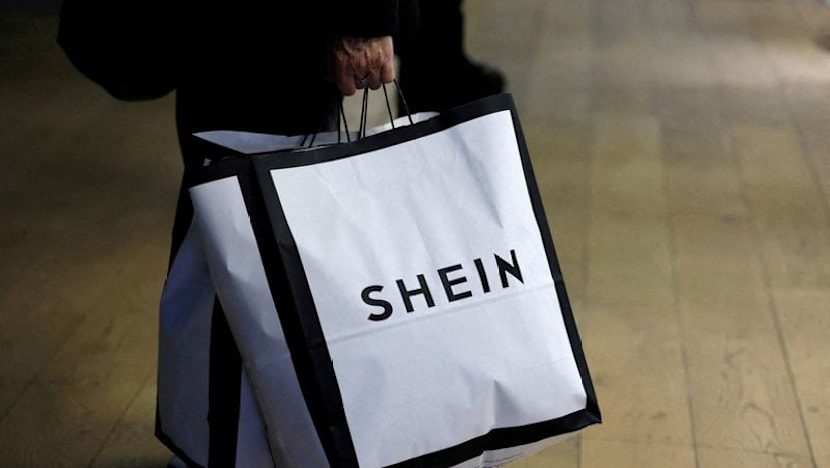
The online fashion retailer's long-delayed public listing prices at a fraction of its peak valuation, highlighting the severe impact of new Western tariffs on its ultra-cheap business model.
Shein shares dropped roughly 10 percent in early Tuesday trading in Hong Kong, sliding to HK$43.8 from their initial offering price of HK$48.56. The long-delayed debut caps a turbulent years-long effort to go public, ultimately valuing the online fashion retailer at $26.5 billion after raising $1.7 billion.
This pricing represents a steep discount from the company's nearly $100 billion peak valuation in 2022. Jianggan Li, chief executive of consultancy Momentum Works, stated that the valuation reset reflects investor concerns over tariffs, regulatory risks, and intense competition rather than just slower growth.
Investor appetite for the offering was notably weak compared to recent high-profile deals. The retail tranche was subscribed just 5.63 times and the international portion 2.59 times, falling far short of the massive oversubscriptions seen elsewhere in the market.
The listing functions primarily as a mechanism to compensate early backers who invested at much higher valuations. Shein agreed to make approximately $3.5 billion in cash payments and share adjustments to certain preferred shareholders, while the offering itself represents only about 6.6 percent of the enlarged share capital.
Dickie Wong, executive director of research at uSMART Securities, stated he was never bullish because revenue is stagnating and the proceeds largely return to earlier investors. He added that the grey market had already dropped below the offering price and the six-month cornerstone lock-up provides little support.
The core business model of shipping ultra-cheap goods directly to consumers has been severely disrupted by regulatory shifts. The United States recently eliminated the de minimis duty exemption for e-commerce shipments under $800, and the European Union introduced similar fees on low-value packages.
These tariff and duty changes have directly impacted the bottom line, causing net income to fall 39 percent last year and triggering a first-quarter loss. Management expects first-half operating profit margins to decline further due to elevated logistics and customs costs in Europe and the Middle East.
To counter these headwinds, the retailer is pivoting away from relying solely on its own-label fast fashion. It expanded its third-party marketplace, acquired the U.S. apparel brand Everlane in May and British brand Missguided in 2023, and aims to provide supply chain services to other labels like Pimkie.
Expanding into developing markets could help offset the slowdown in Western regions, though success is not guaranteed. Lorraine Tan, director of equity research at Morningstar, warned that lower consumer spending power in these new territories might limit the benefits if delivery costs remain high.