Crude Prices Rise on Renewed US-Iran Conflict and Strait of Hormuz Risks
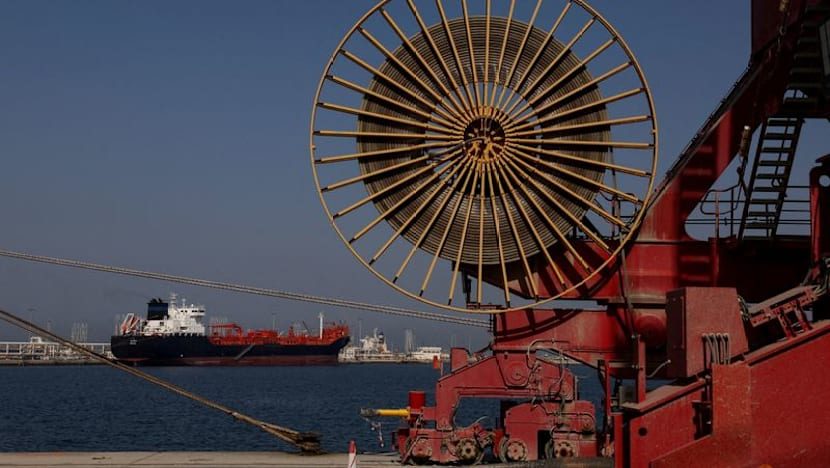
Brent crude surpassed $91 a barrel as renewed military exchanges between the United States and Iran threaten critical shipping lanes and global energy infrastructure.
Oil prices advanced on Tuesday following a resurgence of direct military confrontation between the United States and Iran. Brent crude futures climbed 56 cents to $91.05 a barrel, while West Texas Intermediate gained 83 cents to $86.59.
These gains built on the previous session, where Brent settled 2.7 per cent higher and WTI rose 2.8 per cent, marking their highest levels since late August. The market is actively pricing in renewed supply chain vulnerabilities across the Middle East.
Tensions escalated after President Donald Trump threatened additional strikes against Iran on Monday. This followed the first direct exchange of attacks between the two nations in a month, shifting the conflict back from a purely economic standoff to active military engagement.
Market analysts warn that the geopolitical friction directly endorses a higher risk premium. Tim Waterer, chief market analyst at KCM, noted that the situation will "bring the potential for Iranian retaliation back into the equation," which in turn "raises the prospect of damage to energy infrastructure around the Gulf and adds fresh uncertainty for shipping through the Strait of Hormuz."
Physical supply routes are already showing severe strain. Shipping data from Kpler indicates that visible commodity vessels transiting the Strait of Hormuz fell to just five per day over the weekend.
Highlighting the immediate danger to maritime logistics, the United Kingdom Maritime Trade Operations agency reported Tuesday that a tanker was struck by three projectiles while exiting the strait. No casualties or environmental damage were recorded.
Diplomatic efforts to restore normal transit have stalled. Mediators from Qatar and Oman have failed to gain traction in reopening the waterway, which historically handled roughly a fifth of global oil supplies before being shut by Iran in late February following attacks by the U.S. and Israel.
In response to domestic supply concerns, the United States is moving to secure alternative reserves. President Trump recently announced an agreement with Venezuela to access its oil reserves, aiming to replenish the U.S. Strategic Petroleum Reserve.
The urgency of this move is underscored by recent inventory data. U.S. Strategic Petroleum Reserve stockpiles fell by approximately 3.1 million barrels last week, leaving total holdings at 286.6 million barrels, near a 44-year low.
Major energy firms are already capitalizing on this geopolitical shift. Chevron, GE Vernova, India’s ONGC, Italy’s Eni, and Colombia’s GeoPark are on track to finalize agreements for energy projects in Venezuela after months of negotiations.
Looking ahead, market consensus suggests elevated prices are the new baseline. Analysts expect crude to remain above $80 a barrel throughout 2026 as persistent shipping disruptions continue to constrain global supply chains.