Middle East Strikes Push Oil Above $91 as Asian Bonds Fall on Rate Fears
Renewed geopolitical conflict in the Middle East has driven Brent crude above $91 a barrel, fueling inflation concerns and prompting investors to price in a higher likelihood of a September interest rate hike.
Renewed military strikes between the United States and Iran have sent Brent crude above $91 a barrel in early Asian trading. The escalation, marking the first exchange of strikes in about a month, saw American forces target an island in the Strait of Hormuz, followed by Iranian attacks on the United Arab Emirates and Jordan.
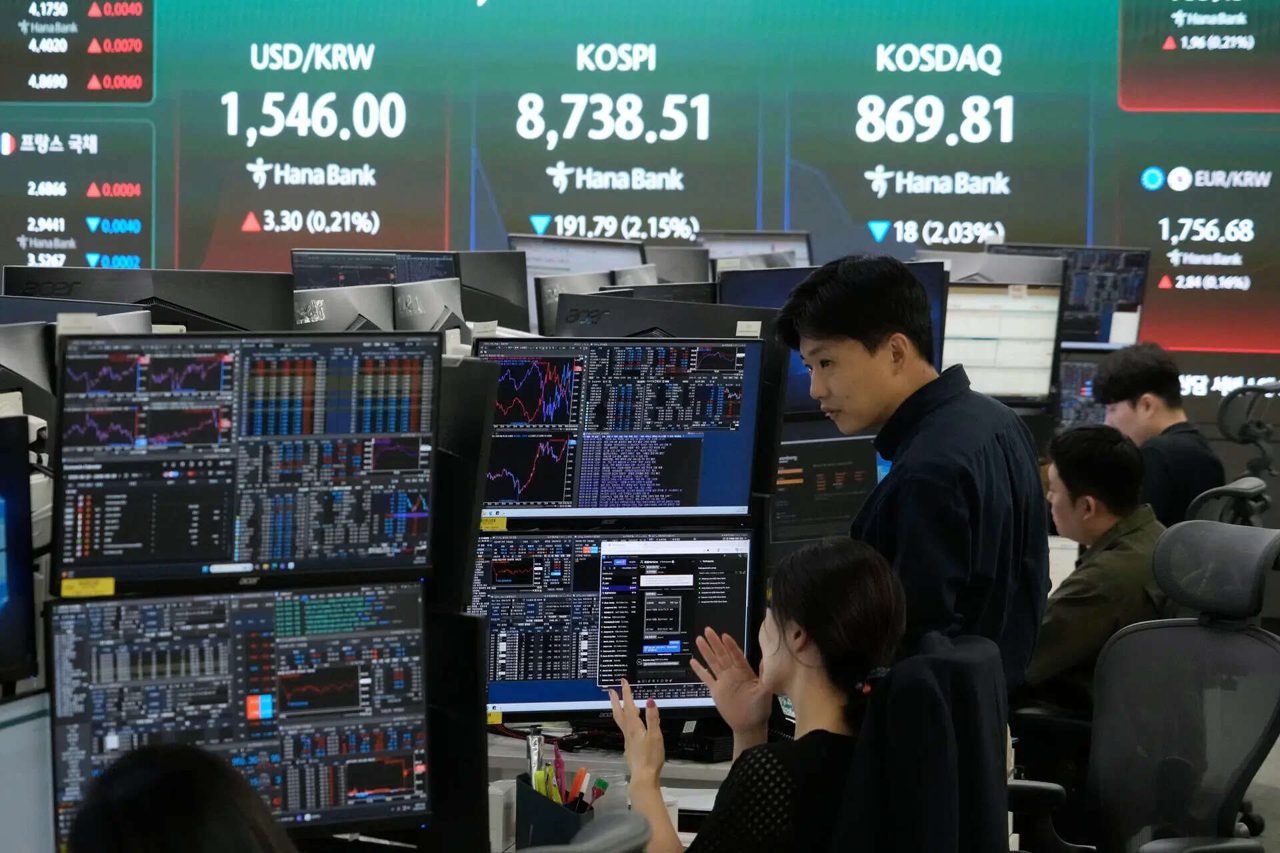
The geopolitical flare-up has intensified inflation anxieties, driving a sell-off across Asian government bonds. The benchmark 10-year US Treasury yield climbed two basis points to 4.77 percent, reaching its highest level since January 2025.
Yields also rose in Japan, Australia and New Zealand. The 10-year Japanese government bond yield advanced to 2.965 percent, holding near the three-decade high touched in the previous session.
Disruptions to shipping through the Strait of Hormuz threaten to keep energy prices elevated, directly complicating central bank inflation targets. Consequently, money markets have increased their bets on a September interest-rate hike.
This shift follows Federal Reserve Chair Kevin Warsh’s recent remarks at Jackson Hole, where he underscored a firm commitment to reducing inflation. His assessment that the US economy is currently at full employment has placed intense scrutiny on upcoming macroeconomic data releases.
Market participants are now bracing for mixed signals between geopolitical risks and domestic economic indicators. Chris Larkin at E*Trade from Morgan Stanley noted that unexpectedly strong labor-market data could be interpreted negatively, as it would reinforce expectations for tighter monetary policy.
Attention is heavily focused on Friday’s employment report, though JPMorgan Chase & Co.’s Andrew Tyler argues that the September 11 consumer-price data will carry even more weight. Tyler has adopted a tactically cautious stance on US stocks for the coming weeks.
Despite the macroeconomic headwinds, the MSCI Asia Pacific equities gauge remained little changed. Investors found a focal point in the technology sector after Nvidia Corp announced a $3.5 billion investment in Taiwanese chipmaker MediaTek Inc. to deepen their strategic collaboration.