CME Group introduces 10-barrel crude futures to lower barrier for retail investors
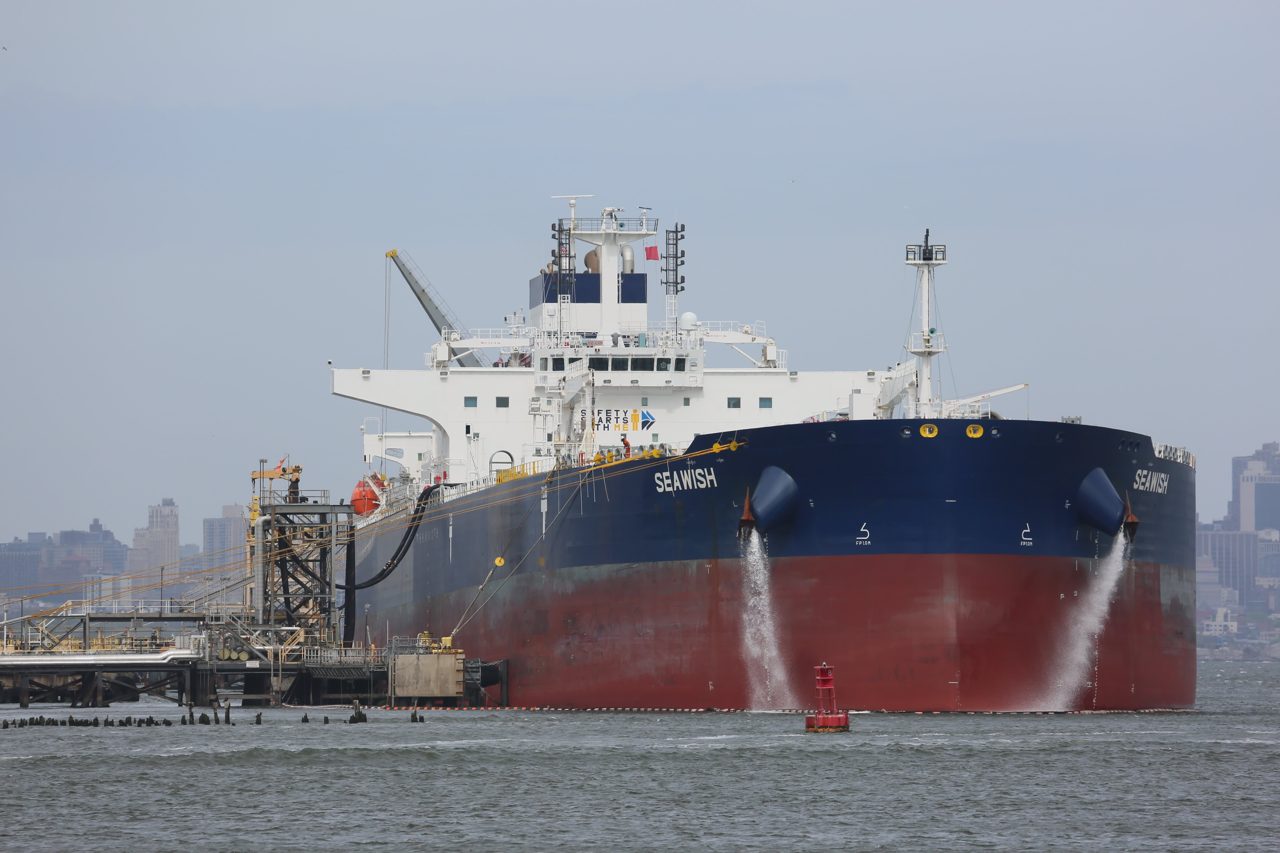
The Chicago exchange has launched a 10-barrel West Texas Intermediate crude contract, lowering the financial barrier for individual speculators and increasing retail participation in the global energy market.
CME Group began offering a new 10-barrel West Texas Intermediate crude futures contract on Sunday, requiring an initial investment of roughly $860. This significantly reduces the capital needed to trade physical oil derivatives compared to the exchange's existing 100-barrel Micro WTI and standard 1,000-barrel contracts.
The launch accelerates a broader shift toward retail participation in commodity markets, driven by the proliferation of online brokerages and exchange-traded funds. Zavier Wong, a market analyst at eToro Singapore, noted that oil trading was historically gatekept by massive contract sizes. "Trading oil used to be a rich man's game," Wong said, adding that the ability to act on market views is now democratized.
Individual investor interest has surged during recent geopolitical stress. eToro processed nearly 16 times more oil trades in the three months following the February 28 start of the war compared to the previous year. Similarly, CME reported that its 100-barrel Micro WTI futures averaged 272,000 contracts daily in May, a 317% year-over-year increase.
Carley Garner, a commodity market strategist at DeCarley Trading, argued that smaller contracts and funds like the United States Oil Fund serve as a gateway for less capitalized traders. While this retail influx provides valuable liquidity for commercial hedgers, Garner warned it introduces emotional volatility detached from physical supply and demand.
Garner pointed to the April 2020 market turmoil as a cautionary tale, when retail money flooded oil funds just as physical storage capacity vanished. The resulting mismatch between paper speculation and physical delivery constraints severely distorted price discovery. "We see money flow push commodity prices outside of fundamental reality," she said.
Despite these concerns, institutional strategists doubt retail traders can fundamentally alter crude pricing in the way they occasionally disrupt individual equities. Ole Hansen, head of commodity strategy at Saxo Bank, emphasized that physical delivery requirements tether crude to spot markets. "Prices can never go too far away from prevailing fundamentals, so I doubt the tail in this case would be able to wag the dog," Hansen said.
Steve Sosnick, chief strategist at Interactive Brokers, agreed that state producers and major industrial consumers will continue to dictate benchmark prices through sheer volume. However, he noted that the macroeconomic ripple effects of crude markets mean the broader public is already exposed to its fluctuations. "We're all oil traders now, at least to some extent, whether we realize it or want to be," Sosnick said.