Oman pushes voluntary Hormuz fees as US-Iran clashes persist
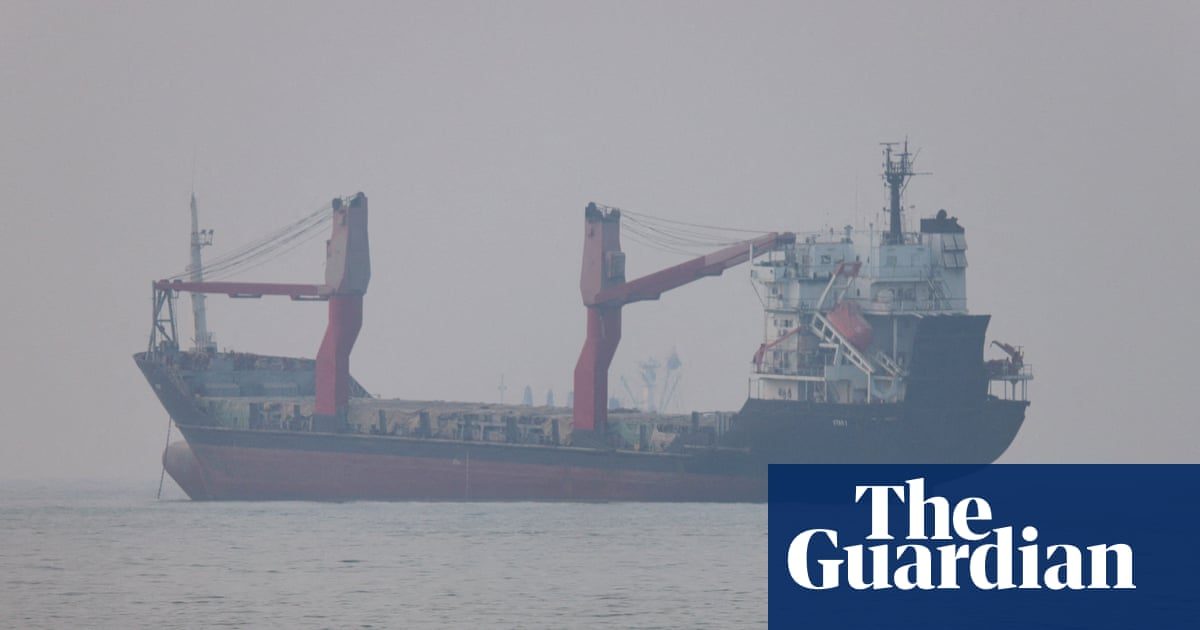
A proposal for voluntary navigation fees in the Strait of Hormuz is gaining diplomatic traction as an alternative to Iranian tolls, offering a potential off-ramp for energy markets reeling from recent military clashes.
European and Gulf states are studying a proposal to introduce voluntary navigation fees in the Strait of Hormuz, aiming to resolve a dangerous standoff over Iran's attempts to control the vital oil trade corridor. The plan, developed by Oman with British lawyers, models itself on the cooperative mechanism used in the Strait of Malacca.
For energy markets, the scheme represents the most viable path to avoiding mandatory Iranian tolls, which Britain’s deputy prime minister, David Lammy, warned would be "disastrous." The strait is currently bottlenecked, with US Central Command reporting it has facilitated the transit of more than 800 commercial vessels and 380 million barrels of crude oil since early May.
Under the Malacca model, voluntary contributions from user states fund navigational support, pollution control and emergency preparedness rather than acting as a transit toll. Oman’s delegate to the International Maritime Organization, Khamis bin Mohammed Al Shamakhi, stressed that international law guarantees transit passage and bars compulsory fees, noting voluntary arrangements could enhance maritime safety.
Tehran's appetite for a voluntary system remains uncertain. Diplomats report deep divisions within the Islamic Revolutionary Guard Corps, with some factions rejecting international maritime law entirely after recent US strikes. Iran’s foreign minister, Abbas Araghchi, traveled to Oman on Saturday for talks, a visit Turkey’s foreign minister, Hakan Fidan, suggested could yield a weekend breakthrough.
These diplomatic efforts unfold alongside severe military escalation. The US hit more than 150 targets in southern Iran this week to degrade its ability to harass shipping, prompting Iranian retaliation against US bases in Kuwait and Bahrain. Donald Trump declared an interim ceasefire "over" on Friday, warning that "1,000 missiles are locked and loaded and aimed at the Islamic Republic of Iran."
The legal wrangling centers on a memorandum of understanding signed last month that guarantees fee-free safe passage for just 60 days. Araghchi accused the US of violating the deal by revoking waivers allowing Iran to sell oil in US dollars. The US also claims Iran is unlawfully demanding ships seek permission from its Persian Gulf Strait Authority to use evacuation routes, a claim the IRGC denies.
At the IMO council in London, an alliance of Gulf and European states failed to pass a resolution condemning Iran's attacks, blocked by Russia and China. Qatar’s foreign ministry spokesperson, Majed al-Ansari, warned that granting Iran sovereign control over the strait would make global shipping a "hostage to whatever radical element that wants to take over."