Oil Rises on Middle East Escalation as Iran Denies Damage to Key Export Hub
Oil prices climbed in early Asian trading as renewed US and Iranian military strikes raised supply concerns, even though Tehran dismissed claims of damage to its primary oil export terminal.
Oil prices jumped in early Monday trade in Asia following a resumption of military strikes between the United States and Iran. The market reaction comes amid heightened geopolitical tensions after US forces targeted Iranian assets and Tehran announced retaliatory actions.
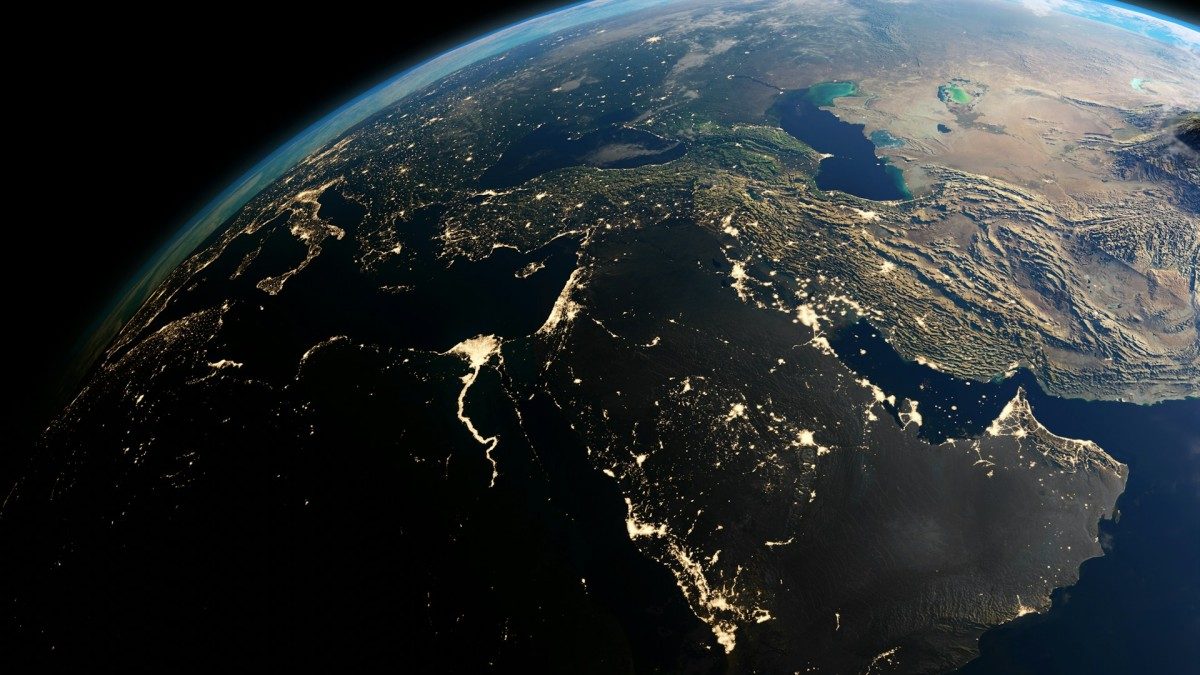
Market anxiety initially focused on Kharg Island, a coral island in the northern Persian Gulf that handles approximately 90 percent of Iran’s oil exports. Speculation was briefly fueled by an AI-generated video posted on Truth Social by US President Donald Trump, which claimed the facility was being destroyed.
Iranian officials swiftly rejected the assertion to stabilize market perceptions. Hamid Bovard, chief executive of the government-run National Iranian Oil Company, stated that the claims were laughable and that conditions at the Kharg facility remain calm and appropriate. As of Monday, no evidence of bombing or damage to the island has emerged.
However, actual military engagements have resumed after a pause of several weeks, presenting tangible supply risks. US forces struck two Iranian rocket launchers located on Larak Island, which sits inside the Strait of Hormuz.
A spokesperson for US Central Command explained that the strike was a preventive measure. The action was taken after the Islamic Revolutionary Guard Corps was observed preparing to launch rockets equipped with sea mines into the strait.
The Islamic Revolutionary Guard Corps vowed a response and punishment for the attack, which Iran alleges caused two fatalities and two injuries. Tehran subsequently claimed it had targeted two US air bases in Jordan in retaliation for the Larak Island strike.
Supply Chokepoint Risks
Iran’s Foreign Ministry reinforced this posture on Monday, declaring that its armed forces will not hesitate to exercise the inherent right of self-defence against any military aggression. This rhetoric underscores the fragile security environment surrounding global energy transit routes.
For global energy markets, the physical security of the Strait of Hormuz remains the primary risk factor. Any sustained disruption to this waterway would immediately tighten crude supplies and amplify price volatility for investors and industrial consumers alike.