Netflix bets on AI to curb $20B content spend as growth slows
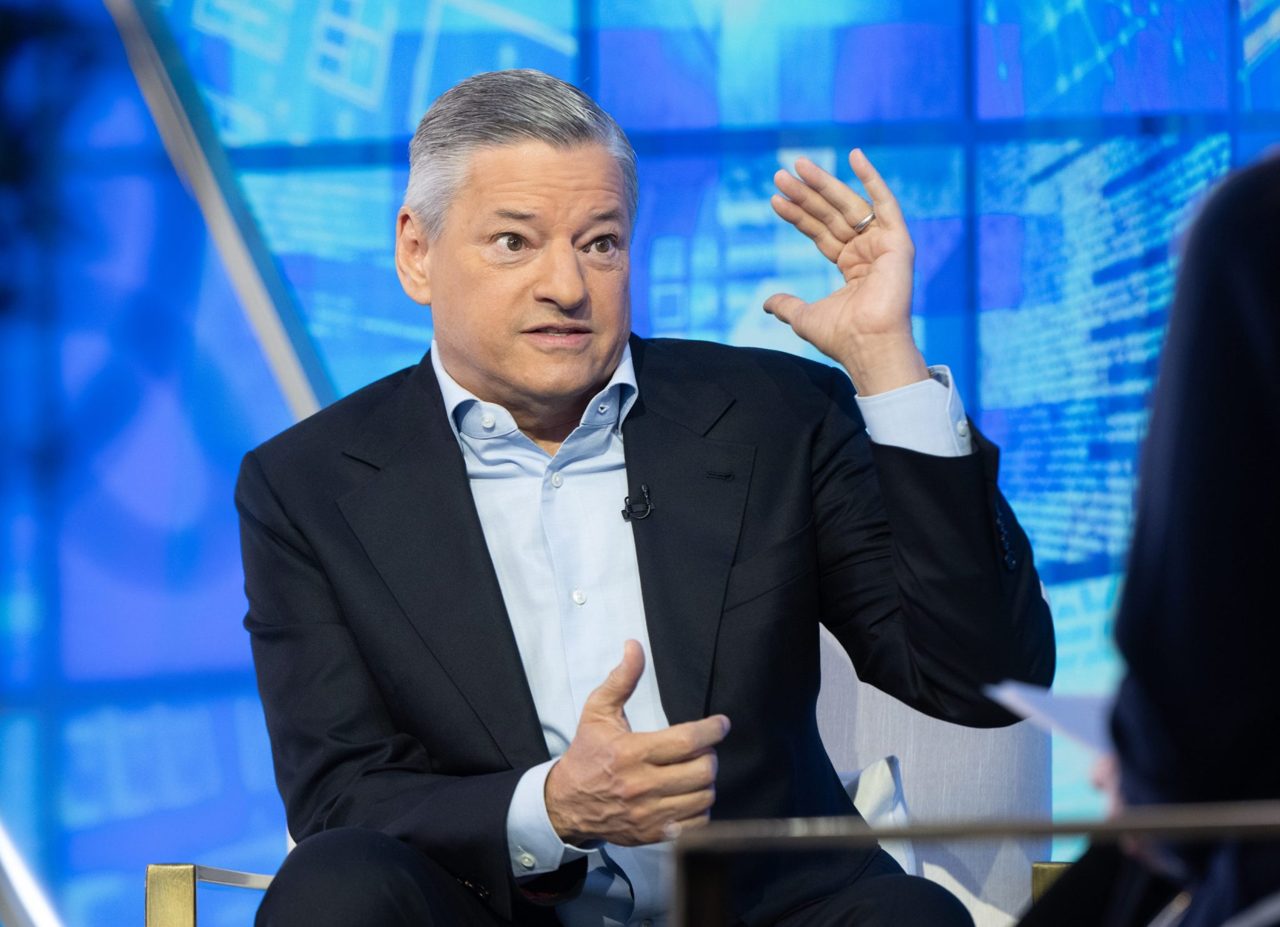
Netflix is deploying generative AI across productions to halve post-production costs, a strategy investors are closely scrutinizing as the streamer's revenue growth decelerates and content spending surges toward $20 billion.
Netflix reported that generative AI produced 17 minutes of footage for its documentary The American Experiment at twice the speed and half the cost of traditional methods. The disclosure accompanied second-quarter earnings that saw shares drop 9% after hours, despite results largely meeting expectations.
The stock slide reflects investor anxiety over a clear deceleration in top-line growth. Revenue rose 13% year-over-year to $12.6 billion in the second quarter, down from 16% in the prior quarter, with guidance pointing to a further dip to 12% in the third quarter. Netflix narrowed its full-year revenue outlook to between $51 billion and $51.4 billion.
To protect margins, the streamer is leaning heavily on artificial intelligence to maximize the impact of its growing content budget. Creative partners have used GenAI workflows in 300 titles this year, predominantly to enhance crowd scenes, historical battles, and world-building shots. “By equipping creatives with these tools, we believe they are going to enhance their abilities and we are going to have better and more impact for every dollar we spend on our programming,” co-CEO Ted Sarandos said.
Sarandos noted that shortening production timelines will feed a broader reinvestment strategy. The savings “will likely be reinvested into more content on the service which fuels high quality engagement, and that whole revenue-profit flywheel that’s going to come from that,” he added. This efficiency is critical as total content spending is projected to reach up to $20 billion this year, a 10% jump that outpaces the 8% average of the last five years.
Netflix has backed these workflow changes with substantial capital commitments. It acquired Ben Affleck’s film tech company InterPositive in March for up to $600 million and consolidated its visual effects operations under the Eyeline studio banner in 2025. Separately, the company executed its largest quarterly buyback ever, repurchasing $4.7 billion in stock, aided by a $2.8 billion breakup fee from Paramount Skydance.
The pressure to stretch content dollars stems from a highly fragmented attention economy. “Netflix isn’t just competing with Disney or HBO,” said Bob Lang, founder of Explosive Options. “It’s competing with online gaming through Microsoft, Sony, and Nintendo. It’s competing with TikTok, Facebook videos, YouTube Shorts, and everything people do on their phones.”
Lang added that content must now be compelling enough to command full viewer attention, a challenge Netflix must meet while navigating ongoing labor friction. AI protections were a central issue in the 2023 Hollywood strikes, and high-profile creators like Guillermo del Toro have publicly rejected the technology. Sarandos pushed back against this narrative, emphasizing that “AI will give creatives better tools to bring their visions to life,” and that “movies are being made by people who make movies.”