Secret US-Venezuela Oil Deal Highlights PDVSA Reserve Valuation Risks
A newly announced but undisclosed oil agreement between the United States and Venezuela underscores the urgent need for privatization and dollarization to unlock the actual financial value of the country’s mismanaged state oil reserves.
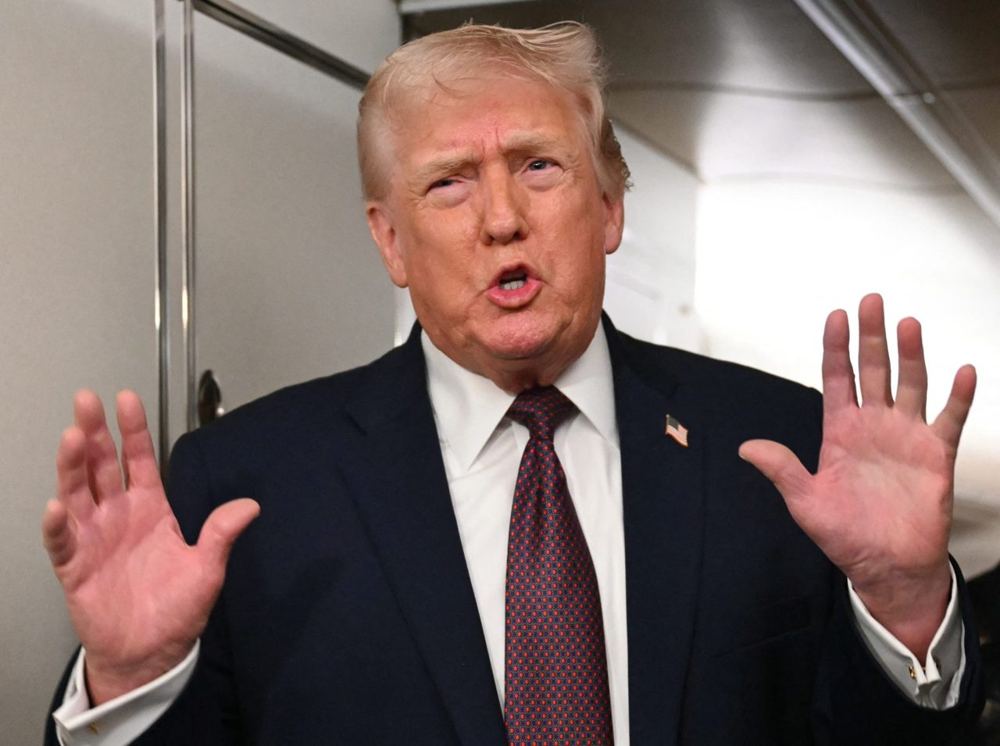
President Trump and Interim President Delcy Rodríguez have announced a bilateral oil agreement, though the terms remain entirely undisclosed. According to a special adviser to Venezuelan Congressman Antonio Ecarri, the pact was negotiated in secrecy and signed under duress, raising immediate questions about its legitimacy.
For international investors and energy markets, the core issue is the underlying valuation of Venezuela’s hydrocarbon assets. Establishing clear private property rights is a prerequisite for assigning any positive present value to the country’s vast oil reserves.
State-owned PDVSA currently dominates the national economy, generating nearly 95 percent of Venezuela’s foreign exchange earnings. However, the enterprise is severely mismanaged, with production and reserve metrics reflecting decades of operational decline.
Output soared between 1994 and 1998 under the leadership of Luis Giusti. Following Hugo Chavez’s rise in 1999 and the subsequent 2002 coup attempt, the regime purged industry professionals in favor of political loyalists, triggering sustained stagnation.
A brief recovery after the 2002-2003 output plunge was reversed when Nicolas Maduro assumed the presidency in March 2013. Today, production sits drastically below 1999 levels, driven by catastrophic drops in both physical and human capital.
Capital expenditures at PDVSA have consistently fallen below the annual depreciation and amortization of its equipment. This mismanagement was epitomized in 2017 when Maduro appointed a National Guard general with no industry experience to lead the company, accelerating breakdowns and output declines.
Crucially, Venezuela’s falling output stems from a collapsing depletion rate, not exhausted reserves. The current depletion rate stands at just 0.124 percent annually, meaning it would take 558 years for PDVSA’s reserves to be halfway depleted.
In petroleum economics, positive time preference and discounting render assets with such distant horizons virtually worthless in present-day dollars. By contrast, major operators like Exxon maintain depletion rates near 9 percent, implying a halfway depletion point of just 7.4 years.
The author of this analysis, a former member of the United Arab Emirates’ Financial Advisory Council from 2008 to 2014, previously advised Abu Dhabi to accelerate its reserve depletion. After failing to secure higher OPEC quotas to support this strategy, the UAE exited the cartel in May 2026.
To stabilize the economy and attract legitimate investment, Venezuela must first kill inflation by replacing the bolivar with the US dollar. Following this confidence shock, the government must pursue comprehensive privatization of the oil sector to dramatically increase production and restore asset value.