Severe Drought Wipes Out Millions in European Aquaculture Revenue
Extreme summer heat and water shortages have dried up fish ponds across Central and Eastern Europe, inflicting millions of euros in damages and threatening long-term supply chains in a sector already grappling with broader agricultural and trade disruptions.
Extreme summer heat and water shortages have dried up fish ponds across Central and Eastern Europe, inflicting millions of euros in direct damages to the aquaculture sector. This localized agricultural crisis is compounding broader macroeconomic losses across the region, which already include devastated crop yields, impaired river trade, and severe energy and water supply disruptions.
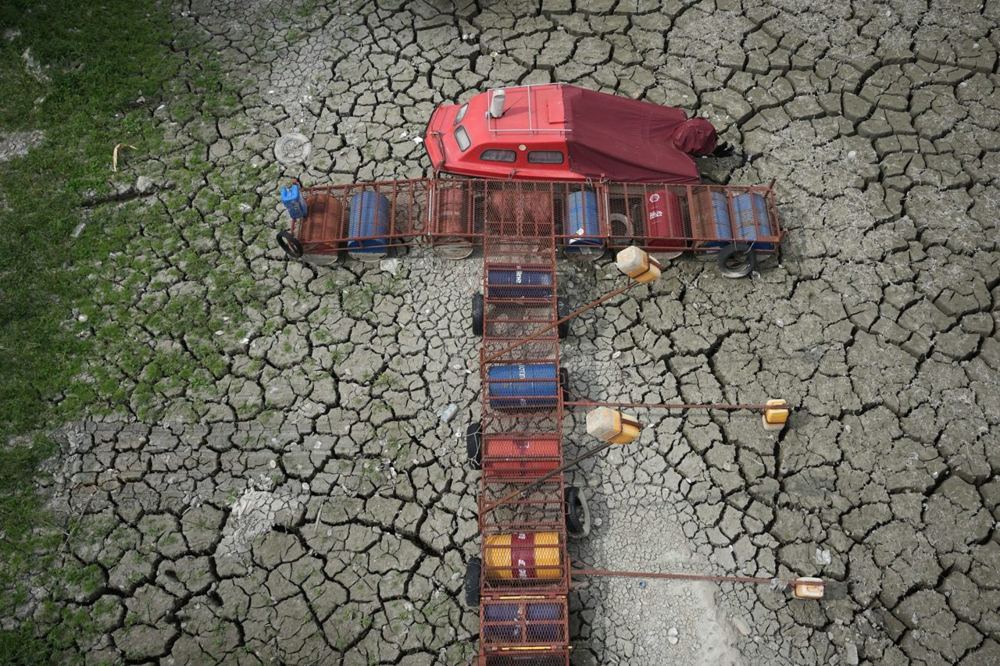
Hungary is bearing some of the heaviest financial losses, with the national Agriculture and Food Economy Ministry estimating 1.3 billion forints ($4.2 million) in revenue damage. Persistent heat and water shortages caused 1,588 hectares of fish ponds to dry out, killing nearly 280 metric tons of fish across 20 commercial farms.
The national meteorological service reports that 99% of the country’s land is currently under severe or extreme drought conditions, threatening desertification across the Great Hungarian Plain. Producers warn that replacing the lost fish stock could take years, forcing some operators to drain specific ponds just to divert water and save the remaining inventory.
In Romania, the financial damage extends far beyond a single season due to the multi-year nature of carp production. Catalin Platon, president of the ROMFISH National Association of Fish Producers, noted that regional water-use policies prioritizing crop irrigation during previous droughts left the aquaculture sector highly vulnerable.
“So what we lost in 2023 has (had an) impact every year since,” Platon said. He highlighted the compounding effect of repeated dry spells on a three- to four-year production cycle.
Aquaculture businesses across the region are now deploying costly emergency measures to preserve their remaining assets and stabilize operations. In the Czech Republic, operators are reducing feeding to lower oxygen consumption, aerating ponds, and harvesting marginal sites early to manage the immediate liquidity and operational crisis.
Jan Sokolik, a technician at the Rybarstvi Trebon fishery, confirmed that low-water ponds have already been fished to mitigate further losses. “Now we’re just starting to plan what to do with the big ponds,” he said, indicating that larger operational and capital decisions are still pending.
Cold-water species like trout are particularly vulnerable to rising temperatures, threatening specialized supply chains. Veljko Budjen, a trout farmer in Bosnia, explained that producers are being forced to reduce feeding so their businesses can barely survive, with some considering the addition of liquid oxygen to the water to maintain stock.
Emergency interventions are also underway in Slovenia, where firefighters have pumped 8 million liters of water into Lake Pristava to prevent mass suffocation. In Serbia, receding waters in a Danube side channel have left juvenile fish stranded in shrinking ponds with water temperatures exceeding 30 degrees Celsius.
“If they start to die, they will all die at once,” said Dusan Jovanovic, a local fisherman in Serbia. He noted that the current conditions are unprecedented, adding that no one can remember anything like the extreme temperatures seen this year.