Solar upfront capital costs achieve parity with new coal and gas plants
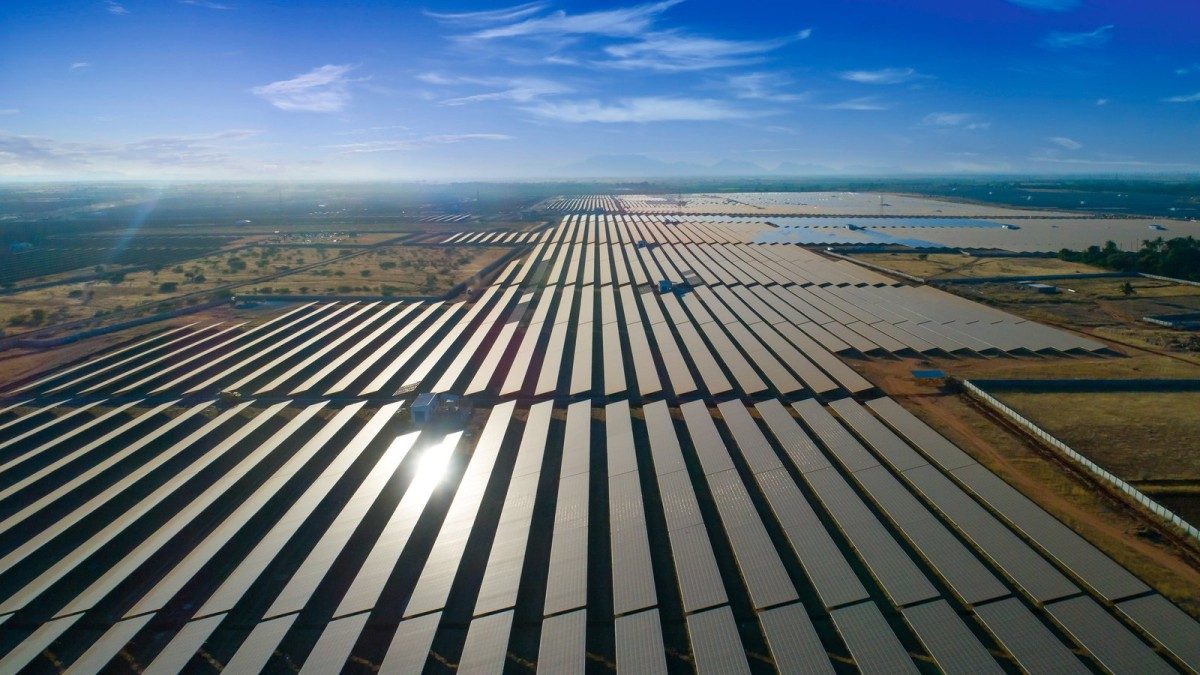
A new analysis shows solar power now requires the same upfront capital investment as fossil fuel plants for equivalent electricity output, removing a major financial barrier for emerging economies and reshaping global energy investment.
Solar power has reached a critical financial milestone, requiring the same upfront capital investment as new coal or gas plants to deliver an equivalent amount of electricity. According to a new analysis by Ember, this eliminates the historical financing disadvantage that forced developers to pay significantly more for solar infrastructure before generating a single watt.
A decade ago, building a solar facility required up to five times the initial capital of a fossil fuel counterpart. The total installed cost of solar photovoltaic systems has plummeted by 87 percent since 2010. This decline is driven by mass manufacturing, improved efficiency, and expanded global supply chains, according to the International Renewable Energy Agency.
This upfront cost parity fundamentally alters the investment calculus for emerging economies, which often grapple with high borrowing costs and heavy reliance on imported fossil fuels. Previously, the steep initial price tag of solar projects made them unviable in regions with expensive capital, regardless of their lower lifetime operating costs.
Solar infrastructure also offers distinct financial advantages through modularity, allowing capacity to be added in smaller increments rather than requiring massive, centralized funding. Shorter construction periods and distributed deployment reduce the risk of stranded capital, shifting the primary financial hurdle from inherent technology costs to standard project financing risks.
The integration of battery storage further strengthens the economic case for clean energy. Storage costs have declined by 93 percent since 2010. Consequently, the International Renewable Energy Agency estimates that firm solar-plus-battery power now costs between $54 and $82 per megawatt-hour in high-irradiance regions.
This firm solar pricing undercuts new coal capacity in China, which ranges from $70 to $85 per megawatt-hour, and is significantly cheaper than new global gas capacity at over $100 per megawatt-hour. Projections indicate that the cost of firm solar will drop by an additional 30 percent by 2030.
Critics frequently point to the costs of grid integration and backup power. However, fossil fuel plants carry their own substantial system expenses for mines, railways, ports, pipelines, and import terminals. Furthermore, imported fuel represents a continuous, unrecoverable operating cost that disappears the moment it is burned.
Lazard’s 2025 analysis confirms that wind and solar remain the cheapest and fastest new-build generation options in the United States. The future grid will rely on a diversified portfolio of cheap renewables, daily battery shifting, and limited thermal backup, rather than relying on a single dominant technology.