Fed Chair Warsh emphasizes inflation mandate at Jackson Hole symposium
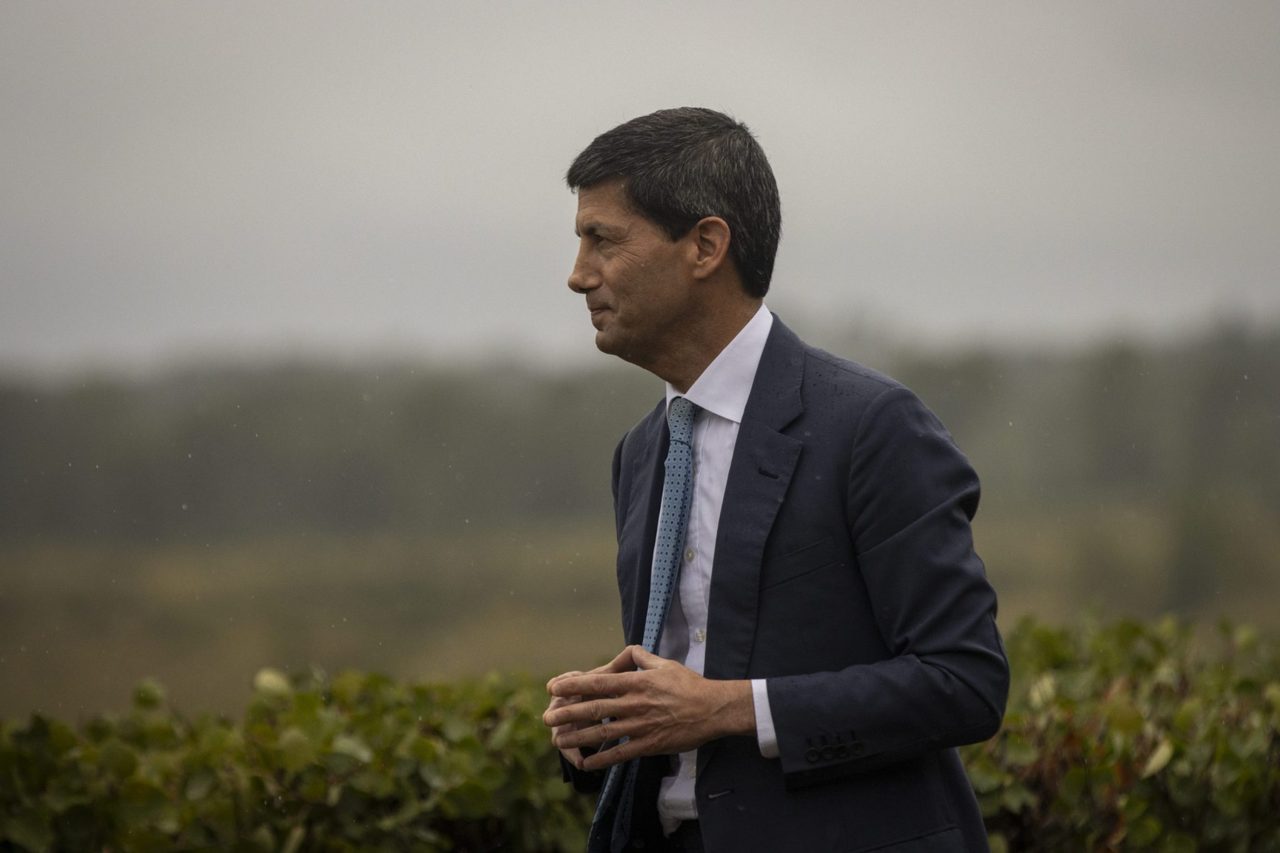
Federal Reserve Chair Kevin Warsh signaled a continued focus on curbing inflation at the Jackson Hole symposium, prompting market expectations for a near-term rate increase while European and British policymakers revealed diverging monetary strategies.
Federal Reserve Chair Kevin Warsh used his first keynote address at the Jackson Hole economic symposium to declare curbing inflation the central bank’s top priority. His remarks triggered an immediate increase in market expectations for a near-term interest rate hike, shifting investor focus toward the September 11 consumer inflation report ahead of the September 15 policy meeting.
Although Warsh avoided offering explicit forward guidance on borrowing costs, he clarified his economic perspective to relieve investor frustration. He noted that financial conditions are not currently restraining the economy and identified interest rates as the predominant tool for achieving the central bank's mandate.
“Here is my standard: We must be confident that underlying inflation is moving to our objective, clearly and at sufficient speed,” Warsh stated. “Otherwise, we have work to do. That’s our job.” He also dismissed concerns about changing the inflation goal, confirming that the 2% personal consumption expenditures price index remains a firm, fixed target.
European Central Bank policymakers echoed this hawkish stance on the sidelines of the Wyoming gathering. Governing Council member Primoz Dolenc, who also leads the Slovenian central bank, pointed to regional economic resilience and ongoing Middle East conflicts as reasons to raise rates in September.
“With the new data coming in, we see that the inflation situation doesn’t resolve itself,” Dolenc said. Austrian central bank governor Martin Kocher highlighted increased economic momentum and estimated August inflation at 3.3%, noting that policymakers maintain alertness rather than complacency.
In contrast, Bank of England Governor Andrew Bailey indicated no immediate urgency to raise British borrowing costs. “We’re seeing quite subdued second-round effects,” Bailey noted, adding that a softening labor market allows him to watch the situation for the moment.
These were Bailey’s first monetary policy comments since voting to hold rates steady in a 6-3 decision in late July. The symposium also saw notable absences, including European Central Bank President Christine Lagarde and Bank of Japan Governor Kazuo Ueda, who are attending a G-20 meeting in North Carolina.
Former Federal Reserve chair Jerome Powell also skipped the event, maintaining his low profile after retaining his Board of Governors seat. Meanwhile, political tensions persisted as the White House renewed efforts to dismiss Fed Governor Lisa Cook over mortgage fraud claims. Her legal team called the allegations unfounded, following a narrow Supreme Court defeat for the administration's initial ouster bid.
Beyond monetary policy, the conference highlighted the regulatory hurdles central banks face regarding financial innovation. Researchers debated the implications of tokenization and its impact on how financial assets are transferred and held in a rapidly evolving digital landscape.