US Power Grid Risks Shortfalls by 2030 Amid AI and Electrification Surge
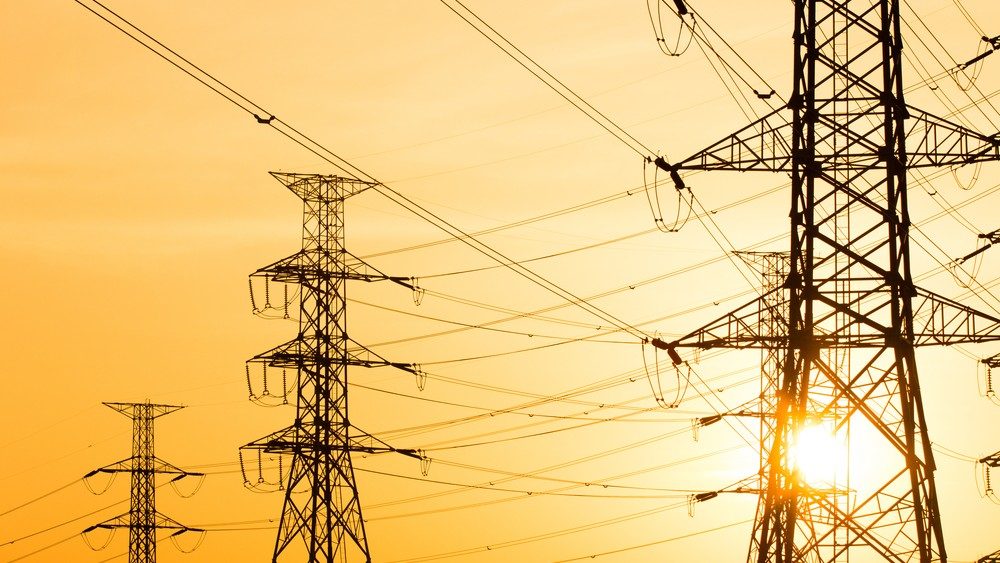
Rapidly growing electricity demand from artificial intelligence data centers and the clean energy transition is pushing the United States power grid toward critical shortfalls, posing severe risks to economic stability and energy security.
The United States power grid is facing unprecedented strain as rapid electrification and the artificial intelligence boom drive energy demand into uncharted territory. A January assessment by the North American Electric Reliability Corporation (NERC) warns that nine of the 15 US grid regions face elevated or high risks of falling short of energy demand by 2030.
This imbalance presents a direct threat to energy security and economic stability across heavily populated areas, including New York and Pennsylvania. A recent report from Atmos notes that "in the short term, that imbalance can mean sending more power down transmission lines than they are rated to carry, risking equipment failure." Over time, this strain will trigger power outages during periods of peak demand.
The primary catalyst for this surge is the hyperscale expansion of energy-hungry data center campuses. According to the International Energy Agency, US electricity consumption is projected to rise by nearly 2 percent on average per year, more than doubling the growth rate seen over the previous decade.
Compounding this demand shock is the rising share of weather-dependent renewable resources like wind and solar in the national energy mix. While battery storage offers a buffer against this variability, the expansion of storage systems has failed to keep pace with new generation capacity additions.
Transmission infrastructure is simultaneously hitting severe bottlenecks. NERC details that "transmission development in some areas is hampered by growing risks in procurement and supply chain delays," alongside permitting and planning hurdles. Consequently, at least 390 of the nearly 900 transmission projects planned or under construction for the next 10 years have been delayed from their originally expected in-service dates.
The generator interconnection process has grown increasingly complex as technology and renewable providers crowd the market. Addressing this requires coordinated reforms, including streamlining interconnection reviews and building transmission based on anticipated future needs rather than reactive applications.
Aligning new data centers with local grid upgrades and strengthening connections between fragmented regional grids could allow for better sharing of surplus electricity. For investors and corporate planners, failing to coalesce around grid expansion will stall technological progress and carry unacceptable human and economic costs.