Bonzo Lend hit by $9M exploit amid crypto regulatory strain

A $9 million oracle exploit on Hedera's Bonzo Lend, a fractious debate over Bitcoin's protocol, and an Islamic ruling against crypto payments in Pakistan highlight the persistent structural risks confronting digital asset investors.
Hedera-based DeFi protocol Bonzo Lend lost roughly $9 million on Saturday after an attacker exploited a flaw in Supra’s on-chain oracle verifier to drain its liquidity pools.
The attacker deposited just 250 SAUCE tokens, worth a few dollars, and submitted a price update that inflated the collateral's value by 12 orders of magnitude. This manipulated data allowed the wallet to extract 6.63 million USDC and 34.5 million wrapped HBAR. The incident underscores how oracle vulnerabilities remain a critical weak point in decentralized finance, capable of collapsing lending pools even when the underlying blockchain operates normally. Supra has since deployed a fix for the zeroed-signature flaw, but the loss highlights the outsized risks investors face when protocols rely on external price feeds.
Protocol and Regulatory Friction
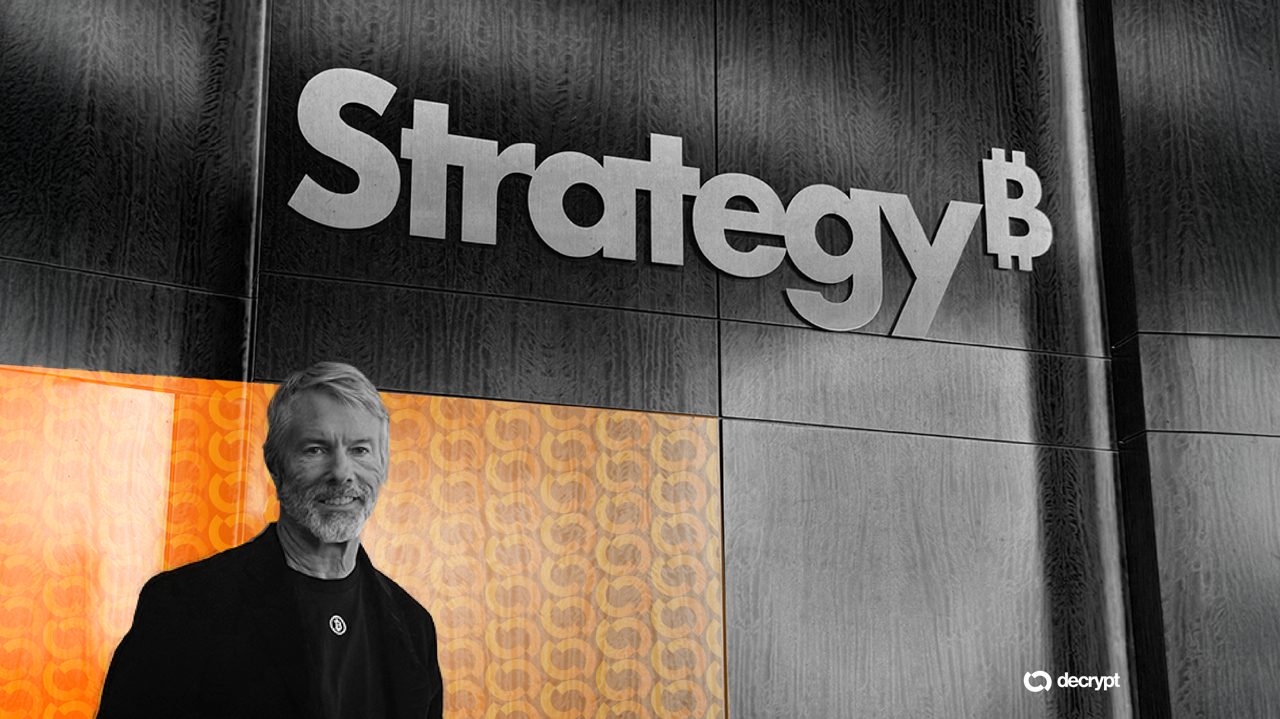
Separate from the exploit, internal Bitcoin politics are resurfacing as a market consideration. Strategy executive chairman Michael Saylor and Blockstream CEO Adam Back are opposing BIP-110, a proposed temporary fork designed to eliminate non-monetary transactions like Ordinals inscriptions. Introduced in December 2025 by pseudonymous developer "Dathon Ohm" and supported by Ocean protocol founder Luke Dashjr, the proposal aims to stop network spam. However, Saylor and Back warn a chain split could invalidate ordinary transactions and undermine institutional confidence. "There are 110 things more dangerous to Bitcoin than spam," Saylor said on X. The dispute represents the most notable protocol-level conflict since the Blocksize Wars of 2015 to 2017.
Regulatory and cultural headwinds are also constraining market expansion in emerging economies. In Pakistan, Virtual Assets Regulatory Authority chairman Bilal bin Saqib is pushing for continued dialogue after meeting with Islamic scholar Mufti Taqi Usmani, who backed a ruling against purchases made with cryptocurrency. Their discussion focused on blockchain technology, stablecoins, and tokenized real-world assets, alongside the need to protect citizens from financial harm. Saqib argued that different digital assets require "careful technical assessment alongside rigorous Shariah examination, rather than being viewed through a single lens." The religious objection carries substantial weight in a nation of 231.7 million people, 96.35% of whom identify as Muslim, creating a tension between the state's push for a regulated crypto market and potential barriers to public adoption.