Vatican warns states struggle to regulate concentrated artificial intelligence power
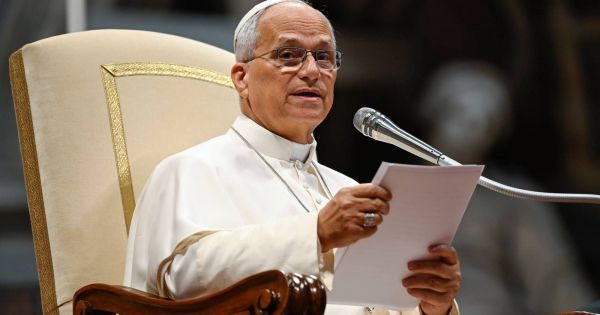
Pope Leo XIV’s warning about the concentration of artificial intelligence in the hands of a few major players signals growing institutional pressure for ethical governance that could foreshadow stricter regulatory headwinds for the technology sector.
Pope Leo XIV warned on Friday that national governments are increasingly struggling to oversee artificial intelligence, as the technology remains concentrated among a small group of major economic and technological players. Speaking to the Brussels-based Institut International des Sciences Administratives in Rome, the pontiff called for strict ethical criteria to govern the deployment of these tools.
He emphasized that the rapid pace of AI innovation raises fundamental questions about future control and whether humanity risks becoming the victim of its own inventions. The Pope stated it is vital to establish ethics for tools that are “concentrated in the hands of major economic and technological players, and which the state finds it hard to control.”
For global technology markets, this rhetoric underscores a widening institutional consensus that the current trajectory of AI development poses systemic risks. While the Pope did not name specific corporations, his warning that “the good of the human family is not sacrificed to private interests” points directly to the market dominance of a handful of frontier AI developers.
Regulatory and Ethical Headwinds
This address builds upon the Pope’s recent encyclical, "Magnifica humanitas," which focuses on safeguarding the human person in the age of artificial intelligence. It also follows an August 21 audience with the International Catholic Legislators Network, where he cautioned that technological innovation could become a “subtle form of domination.”
He previously warned that such advancements risk acting as “another instrument of ideological or economic colonialism,” potentially increasing poorer nations' dependence on richer ones. The first pope born in the United States, who also holds Peruvian nationality, framed every technological achievement as a moral question of “what we should do,” rather than merely what can be done.
Executives and investors should view these statements as an early indicator of the moral and political framing that often precedes concrete legislative action. As global authorities seek to humanize digital technologies, technology firms may face mounting pressure to prove their innovations serve life and peace rather than obscure the human person behind power and efficiency.