Meta $18 Billion Settlement Risks Disrupting Brand Creator Contracts
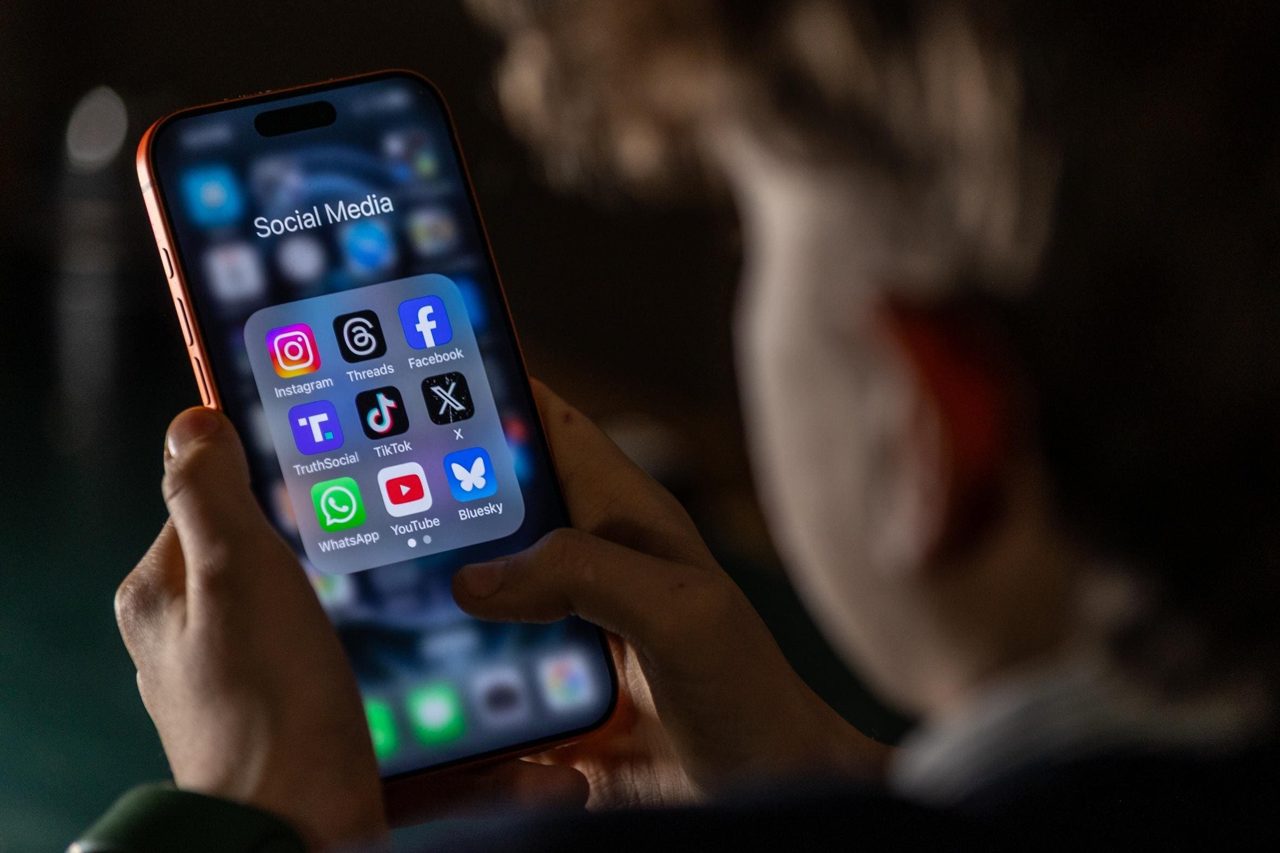
Meta’s $18 billion settlement to restrict teen screen time threatens to upend the influencer marketing industry by rendering existing brand-creator contracts unenforceable and shifting audience attention to rival platforms.
Meta has agreed to an $18 billion settlement resolving claims that it designed Instagram and Facebook to addict children and illegally used their data. The agreement mandates strict new usage controls for teenagers across the platforms in certain U.S. states and territories.
The mandated changes include a default two-hour daily time limit that only parents can disable, muted notifications during school hours, and a ban on viewing feeds between midnight and 6 a.m. Users will also face continuous screen time prompts and gain access to a non-algorithmic feed option.
These restrictions fundamentally alter the audience metrics that underpin the creator economy. Brand deals typically rely on follower counts, average impressions, and engagement rates to calculate flat fees or commissions.
The new limits restrict when and how deeply teenagers interact with sponsored content. A teenager who reaches their daily cap before encountering a sponsored post will simply never see it, directly undermining the value of the placement.
Creators in sectors like beauty, fashion, gaming, and lifestyle face the most immediate exposure. Influencers such as Charli D’Amelio and MrBeast rely heavily on younger demographics that will now be artificially constrained by the platform's new architecture.
Existing commercial agreements were not drafted to account for platform-level disruptions of this scale. Legal doctrines like force majeure are unlikely to excuse performance, particularly in jurisdictions like California and New York.
While frustration of purpose could theoretically apply if a brand's sole goal was reaching teens, courts apply this doctrine narrowly. The practical reality is that most contracts currently offer little protection for either party when the underlying audience becomes unreachable.
Meta will distribute the settlement in annual installments over a decade, with $12.7 billion going directly to participating states for online safety initiatives. The remaining $5.3 billion is contingent on TikTok and YouTube implementing identical protections and matching the financial contribution.
Neither competitor has publicly agreed to the framework, creating a significant migration risk. Meta chief legal officer C.J. Mahoney warned that "teens move fluidly across dozens of apps," meaning restricted users could simply shift their attention to rival platforms that currently face no equivalent limits.
For brands and investors, the creator economy's foundational assumption of unrestricted access to Instagram's teenage audience is now in question. Companies must evaluate their marketing exposure and renegotiate terms before these new platform realities trigger widespread commercial disputes.