New York City Retracts Pied-à-Terre Tax Notices for 1,200 Owners Amid Rollout Chaos
New York City has cleared over 1,200 property owners from its new pied-à-terre tax after mailing premature warnings, raising legal and administrative concerns that could complicate the city’s revenue targets and high-end real estate market.
New York City’s Department of Finance is retracting pied-à-terre tax warnings for 1,210 property owners after prematurely notifying roughly 17,000 households this summer. The city simultaneously began mailing a second wave of notices to approximately 10,800 other owners who remain under review.
The reversal stems from a timing mismatch rather than a change in the law. The city issued the initial warnings without access to 2025 income-tax records, which the state unexpectedly provided on August 12.
Of the cleared owners, 630 were exempted because their 2025 tax returns listed the property as a primary residence. Another 580 were cleared using a combination of 2025 extension filings and 2024 returns.
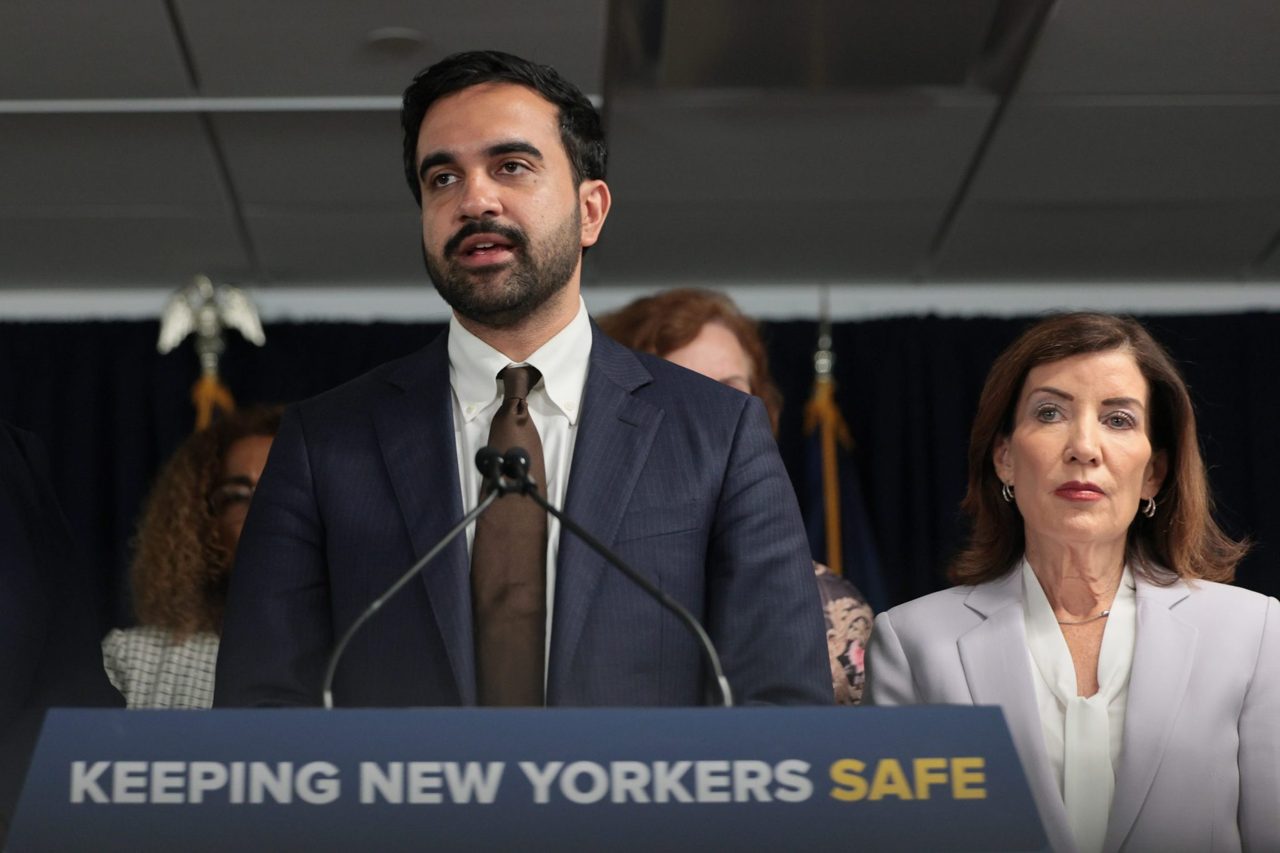
Mayor Zohran Mamdani defended the sequence of events at a Wednesday press conference. He noted that 2025 filings are "typically released in February of the next calendar year," making the state’s early data transfer an anomaly.
Legal challenges are already mounting over the execution. Attorney Randy Mastro, who is suing the city over the rollout, argued in recent court filings that the city obtained the 2025 tax information within five days of the August 7 lawsuit.
Mastro contended this timeline proves the Department of Finance could have acquired the data before mailing the notices. He stated the city has effectively admitted that thousands fewer property owners are subject to the surcharge than originally claimed.
The city’s ongoing enforcement targets two specific groups. Roughly 6,400 households own properties through corporate entities like LLCs or trusts, lacking clear primary residence data.
An additional 4,400 households fall into a category where the Department of Finance still lacks 2025 tax returns to verify primary residence status. These two groups comprise the 10,800 new letters currently being dispatched.
For high-net-worth investors and the luxury real estate market, the chaotic rollout introduces significant compliance uncertainty. The surcharge imposes a rate of 0.8 percent to 1.3 percent on homes valued over $5 million, and 4 percent to 6.5 percent on condos and co-ops exceeding $1 million.
Despite the operational friction, city leadership remains focused on the fiscal outcome. Governor Kathy Hochul admitted she "wasn't a fan of the rollout," yet Mayor Mamdani held firm on the policy’s financial projections and expressed confidence in the annual revenue assessment.
The Department of Finance is extending a grace period to mitigate further backlash. Spokesperson Ryan Lavis confirmed that property owners have until October 6 to file an exemption application, with additional appeals to the tax commission available until early next year.