NextDC swings to profit as data centre water and energy consumption rise
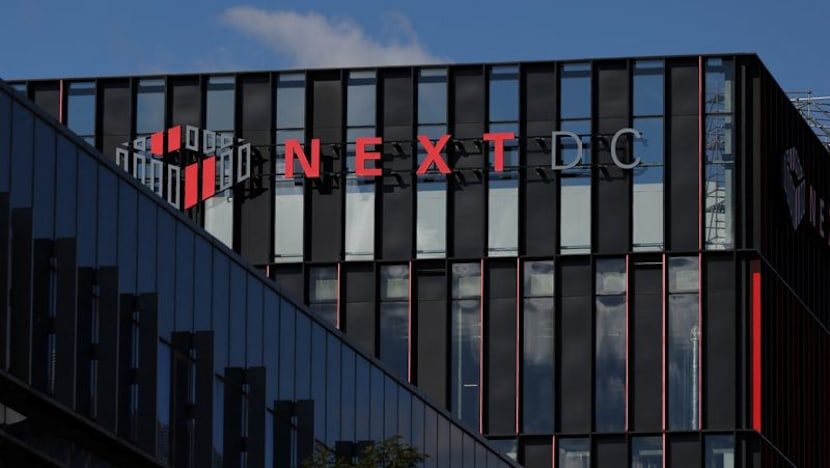
Australian data centre developer NextDC reported an annual profit alongside rising resource consumption, highlighting the growing regulatory and operational risks of the AI-driven infrastructure boom.
Australian data centre developer NextDC swung to an annual profit of A$82.1 million for the year ended in June, reversing a A$60.5 million loss from the previous year. The company also reported a 16 per cent increase in revenue, driven by strong demand for computing capacity.
However, this financial beat comes with escalating resource demands. NextDC’s water usage effectiveness ratio climbed to 2.40 litres per kilowatt-hour from 2.25 the prior year, while its power usage effectiveness ratio rose to 1.49 from 1.44. Both metrics have deteriorated for three consecutive years.
The company attributed these worsening ratios to newly commissioned facilities running cooling systems before full IT deployment. NextDC also noted that recent data-reconciliation efforts uncovered isolated leaks and utility meter anomalies.
"Higher water consumption during the year reflected a combination of portfolio growth and increased activity across operational, expansion and commissioning projects," the company stated in its sustainability report. It added that the period involved significant validation of water data to resolve differences between site and utility records.
These operational metrics carry heavy weight for investors and policymakers alike. Efficiency ratios serve as primary proxies for the strain that the rapid expansion of artificial intelligence infrastructure places on scarce electricity grids and local water supplies.
Regulatory scrutiny is intensifying globally, with several governments and cities moving to restrict or ban new data centre construction. Concerns over soaring electricity costs, strained water supplies and land scarcity are mounting among local communities and regulators.
In Australia, the federal government is currently weighing mandatory, nationally consistent standards governing data centre energy, water and location choices. Recent proposals suggest forcing developers to build new renewable power sources rather than drawing additional electricity from the existing grid.
Despite these looming regulatory headwinds, NextDC’s underlying earnings before interest, taxes, depreciation and amortisation rose 15 per cent to A$248.8 million. This figure beat average analyst forecasts compiled by Visible Alpha, though the bottom-line profit was partly aided by an accounting change that recognised a gain on property values.
NextDC will need to navigate this tightening regulatory environment while competing against deep-pocketed rivals. Its primary competitors in the region include Blackstone-owned AirTrunk and Infratil-owned CDC, both of which face similar pressures to prove their infrastructure can scale sustainably.