CATL deploys 17 billion yuan into AI and robotics to offset slowing EV demand
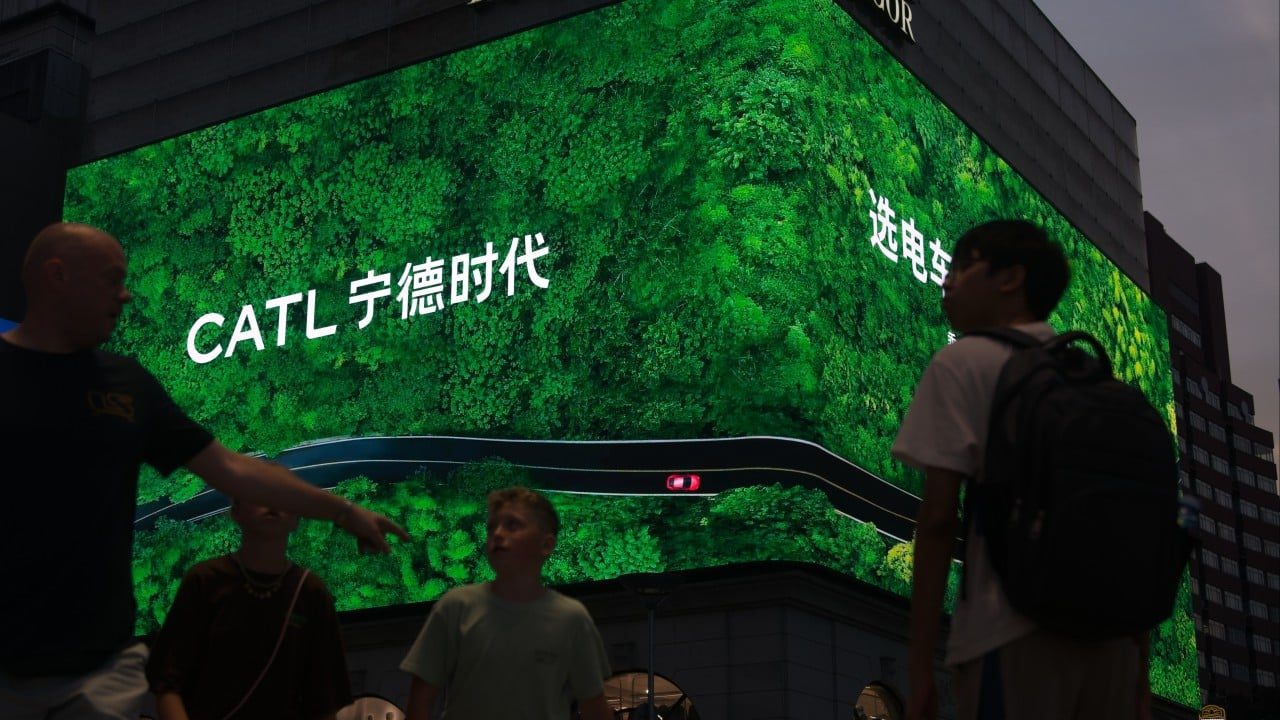
The world’s largest lithium-ion battery maker is deploying billions into artificial intelligence and robotics to secure new revenue streams amid cooling electric vehicle sales and fierce overseas competition.
CATL has allocated more than 17 billion yuan to non-battery equity investments since June of last year. The Fujian-based manufacturer has executed at least seven deals across diverse sectors, including humanoid robots, state-owned hydropower facilities, and artificial intelligence data centres.
This capital deployment highlights a strategic pivot for the world’s largest lithium-ion battery producer. The company faces cooling electric vehicle demand within China and mounting pressure from domestic rivals competing for international energy storage contracts.
Artificial intelligence infrastructure has emerged as a primary target for the conglomerate. In May, affiliates of the battery giant agreed to purchase up to 38.1 per cent of Nasdaq-listed VNET Group for US$942 million, securing the largest stake in the neutral data centre provider.
The expansion into power systems continued this month with a 4.09 billion yuan agreement to acquire a 49 per cent stake in Shenzhen-listed Hangzhou Zhonhen Electric. The target company supplies critical power infrastructure for both vehicle charging networks and AI data centres.
Beyond digital infrastructure, the investment mandate extends to advanced technology and traditional energy generation. The corporate portfolio now includes stakes in large-language-model developer DeepSeek and various state-owned hydropower stations.
Yang Jing, director of Asia-Pacific corporate ratings at Fitch Ratings, described the manoeuvre as a calculated effort to maintain the company's dominant market position. She observed, “As the incumbent leader, sustaining market share and margins requires identifying new high-growth frontiers early and capturing first-mover advantages.”
Yang highlighted the specific appeal of the technology sector in her analysis. She added, “AIDC’s high-growth, high-barrier characteristics position it as a potential ‘third growth curve’ alongside EVs and energy storage systems.”
Investors are watching closely to see if these diversified bets will successfully offset the core battery slowdown. Securing early positions in AI and robotics could ultimately define the company's long-term valuation beyond its traditional automotive supply chain.