Triple Takeovers Highlight London Market's £285bn Capital Drain
A flurry of takeover bids underscores a critical capital flight from UK public markets, raising pressure on policymakers to overhaul pension fund allocation rules to stem the bleed.
Three UK-listed companies accepted takeover bids on Thursday, collectively worth nearly £4.7 billion. Swiss group ABB is acquiring valve maker Rotork for £4.1 billion, while US buyers are taking precision optics firm Gooch & Housego for £346 million and pawnbroker Ramsdens for £230 million. Shareholders are pocketing steep premiums of 73%, 41% and 49% respectively.
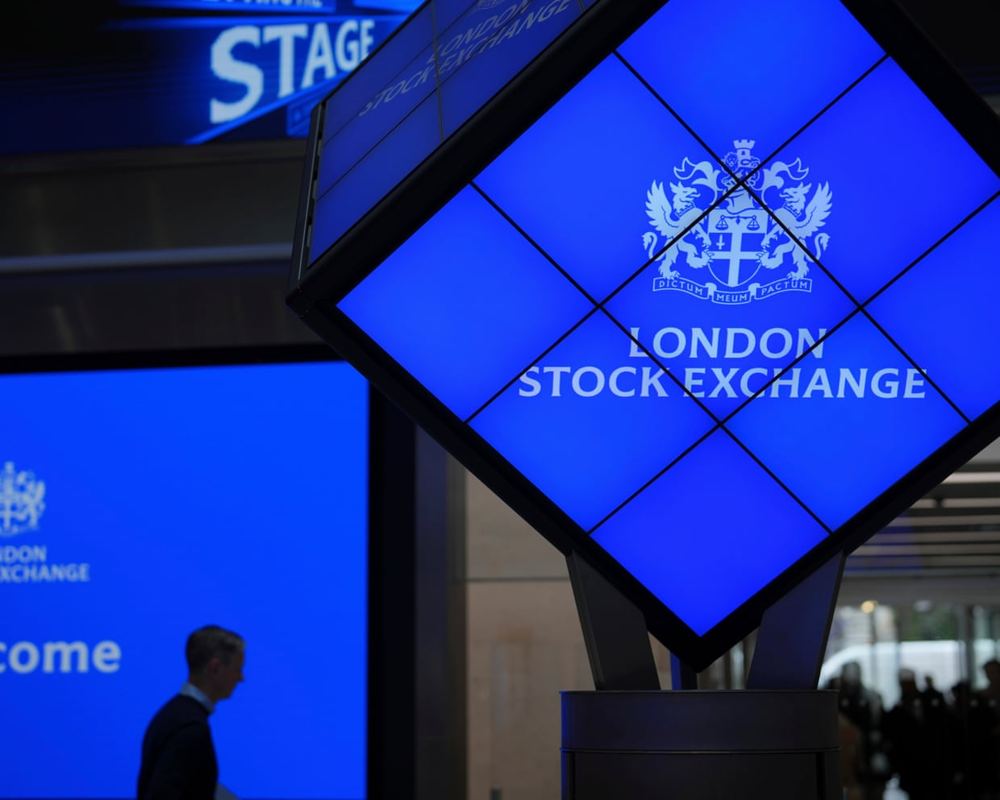
While lucrative for existing investors, these deals exacerbate a severe structural hollowing-out of the London Stock Exchange. According to a recent report by broker Peel Hunt, 154 bids for UK companies valued over £100 million have stripped £165 billion of market capitalization since the start of 2023. Another £120 billion of capitalization departed via seven large companies moving their primary listings from London, leaving a net outflow of £285 billion against a mere £6 billion brought in by 11 new large listings.
For market professionals, the dynamic reflects a market that is fundamentally underpriced by international standards and suffering a liquidity vacuum. Boards are facing mounting pressure to sell because deep liquidity increasingly gravitates toward New York, particularly for companies in the sub-£10 billion bracket. Minor regulatory adjustments, such as allowing founders to retain outsized voting power, have failed to reverse the tide.
The political response has similarly missed the mark regarding public equities. Chancellor Rachel Reeves has focused her Mansion House initiatives on infrastructure and privately owned assets, offering little more than an ineffectual cap on cash ISA allocations and a stamp duty holiday for new listings. Tinkering at the edges has done nothing to address the core supply and demand imbalance.
Rebuilding the market requires addressing the demand side, specifically how domestic pension capital is deployed. Charles Hall, Peel Hunt’s head of research, advocates for mandatory 20% UK equity weightings in default defined contribution pension schemes. He also proposes minimum UK weightings for ISA tax breaks, capital tax reliefs for founders who list domestically, and the complete abolition of share trading stamp duty.
Andy Haldane, president of the British Chambers of Commerce, echoed the necessity of systemic pension reform last month. He pointed to the pre-1997 dividend tax credit regime as a historical model, arguing the goal is "about correcting the [absence of] ‘home bias’ that, at present, distinguishes the UK pension system from all others around the world." Without such structural shifts, the UK public equity market will continue to contract.