Fed's Logan calls for rate hike ahead of July meeting
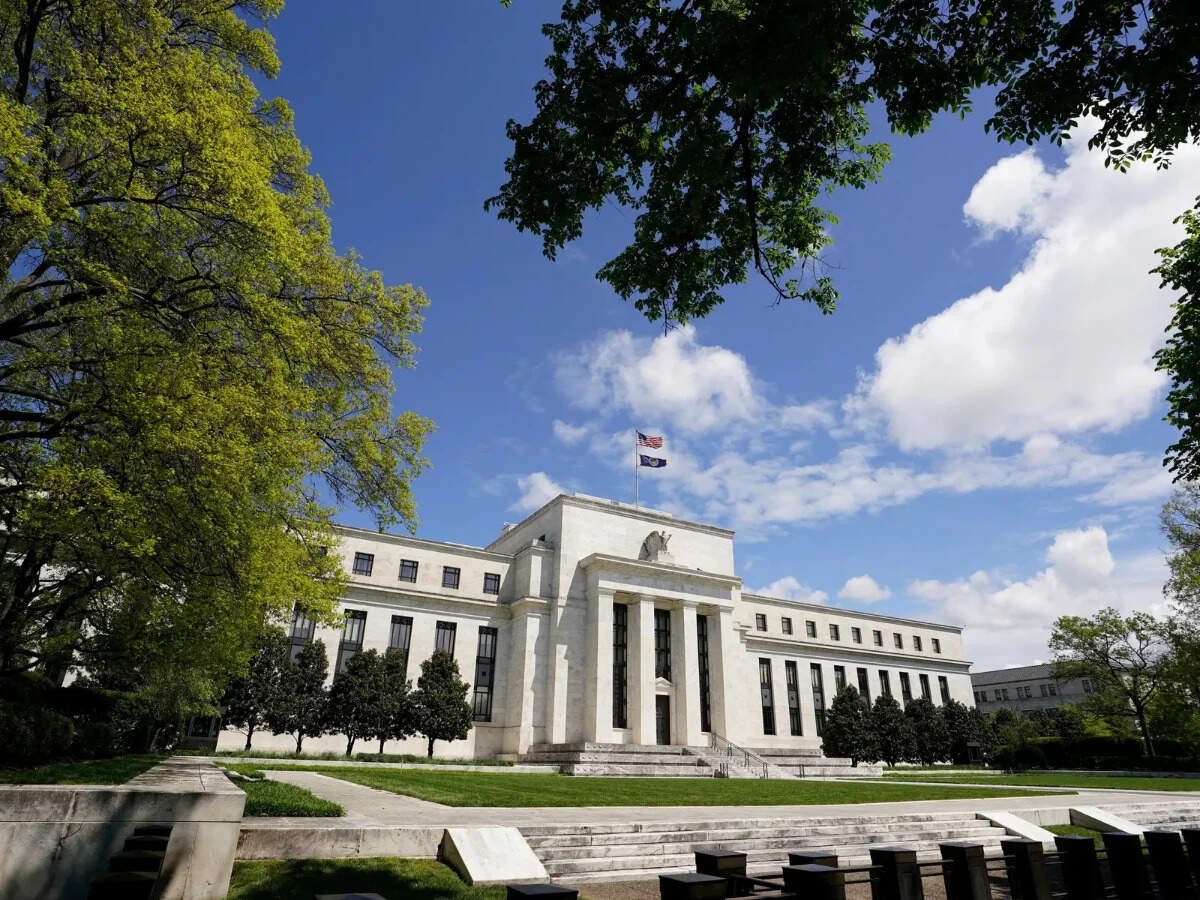
Dallas Fed President Lorie Logan became the first policymaker under new Chairman Kevin Warsh to call for a rate hike, signaling an end to the central bank's recent unity and elevating the risk of tighter monetary policy in two weeks.
Dallas Federal Reserve President Lorie Logan on Thursday called for "modestly higher" interest rates, breaking with the central bank's recent consensus and setting the stage for a potential dissent at the upcoming July 28-29 policy meeting.
Logan is the first colleague of new Fed Chairman Kevin Warsh to publicly advocate for tighter policy since he took office in May. Her comments suggest the unanimous decision to hold rates steady in June is fraying, potentially triggering what Warsh refers to internally as a "family fight" over the correct monetary policy path.
The Federal Open Market Committee currently holds its benchmark rate in the 3.50%-3.75% range. Logan argued that this level is insufficient to balance the central bank's dual mandate given persistent pricing pressures and a solid labor market. "Inflation has been too high, for too long, and does not appear to be on track all the way back to 2%," she said in prepared remarks in Houston.
While acknowledging a slight moderation in consumer price inflation in June, Logan dismissed the trajectory as "tenuous." She emphasized that a return to the 2% target is "more a hope than a likelihood." To address these upside risks, she stated, "It is time to finish the job of restoring price stability."
Logan also pushed back against the narrative that emerging technologies will rapidly solve the inflation puzzle. While artificial intelligence may eventually boost supply and productivity, she noted that the timing and scale of those gains remain uncertain.
Instead, she warned that "the demand effects are here already." She reminded her audience that "when demand outstrips supply, the result is higher prices."
For market participants, Logan's intervention sharply elevates the risk of a rate hike in just under two weeks. Although all policymakers supported the hold in June, a minority had already privately viewed the case for an increase as compelling.
A formal dissent in July would signal a definitive shift toward tighter financial conditions. Such an outcome would force bond markets to reprice rate expectations for the remainder of the year.