Mexico Goods Exports Reach Record US$81.4 Billion as AI Assembly Drives Growth
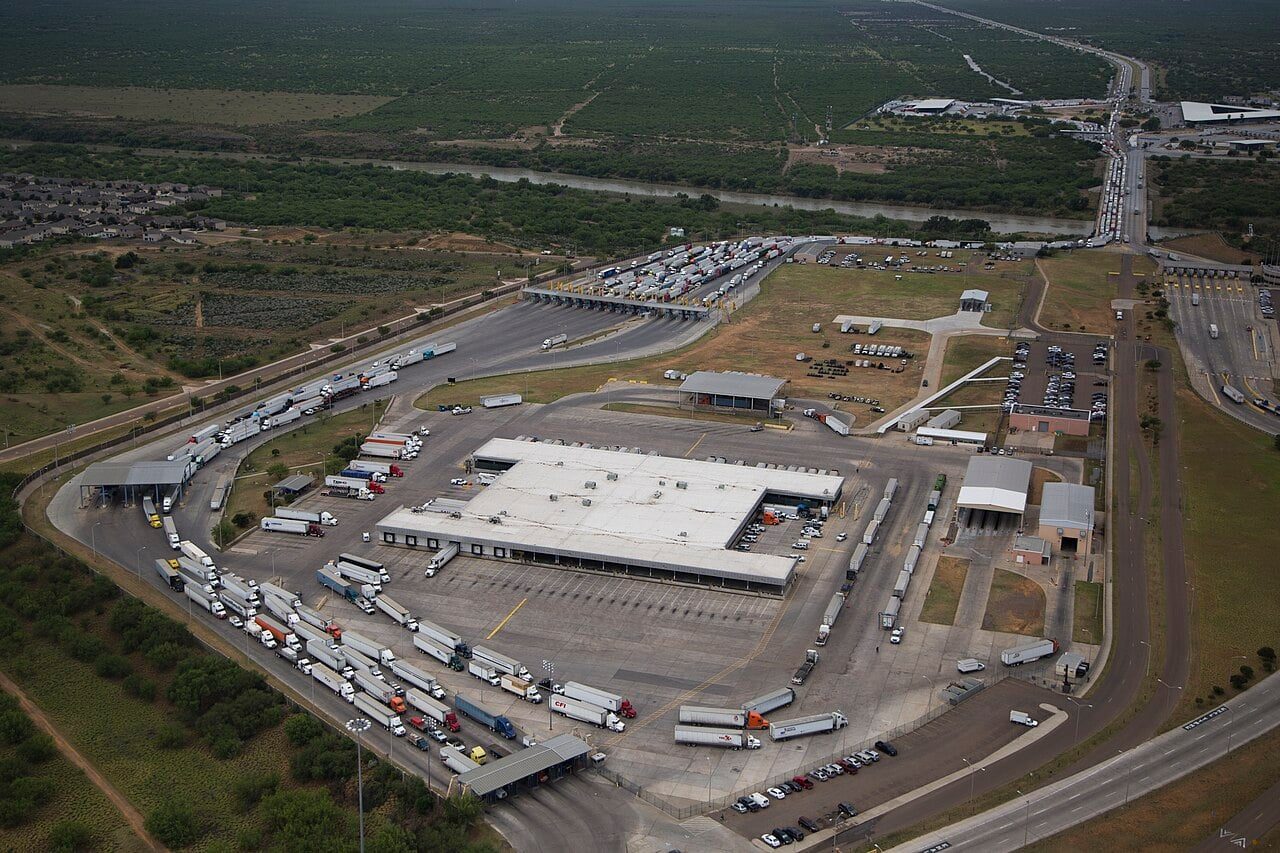
Mexico’s merchandise exports surged to a record US$81.4 billion in July, though the growth relies heavily on computer equipment assembly for United States data centres rather than broad-based industrial expansion.
Mexico’s merchandise exports reached a record US$81.42 billion in July, marking a 43.7 percent increase from the same month last year, according to the National Institute of Statistics and Geography. The surge pushed the year-to-date export total to US$471.39 billion, up 27.7 percent.
However, imports grew even faster, rising 45.0 percent to US$82.27 billion and generating a monthly trade deficit of US$848 million. Despite this monthly shortfall, Mexico maintains a cumulative trade surplus of US$9.26 billion for the first seven months of 2026.
The headline growth masks a sharp divergence in sectoral performance. Non-automotive manufacturing exports jumped 64.9 percent to US$59.84 billion, while the traditionally dominant automotive sector grew a mere 2.4 percent to US$16.47 billion.
Analysis by Banco BASE indicates that computer equipment exports surged 177.57 percent in the first half of the year, accounting for 76.75 percent of total export growth. These shipments are primarily destined for United States data centres supporting artificial intelligence infrastructure.
This dynamic highlights Mexico’s role as an assembly node rather than a primary technology producer. Imports of computer equipment from Asia grew 220.01 percent, and when stripping out computer gear and elevated metal prices, underlying export growth falls to just 2.56 percent.
Market observers warn this export pace may not be sustainable. Mario Correa, former head of the economics committee at the Instituto Mexicano de Ejecutivos de Finanzas, noted that front-loading orders due to United States trade policy uncertainty is pulling future demand into the present.
Furthermore, the assembly-driven boom has yet to translate into domestic industrial health. Manufacturing output fell 1.19 percent in the year to May, and factory employment declined by 2.09 percent over the same period.
Concentration risk is also rising, with the United States absorbing 84.51 percent of non-oil exports between January and July. While most goods qualify for duty-free entry under the T-MEC agreement, an upcoming review of the treaty poses a significant threat to this assembly trade model.
Looking ahead, Banamex forecasts full-year export growth of 7.4 percent against import growth of 8.5 percent, projecting a 2026 trade deficit of US$6.5 billion. Investors will be watching whether artificial intelligence spending can sustain momentum once current inventory stockpiling subsides.