StarkWare Tests Quantum-Safe Bitcoin Transaction to Protect Vulnerable Holdings
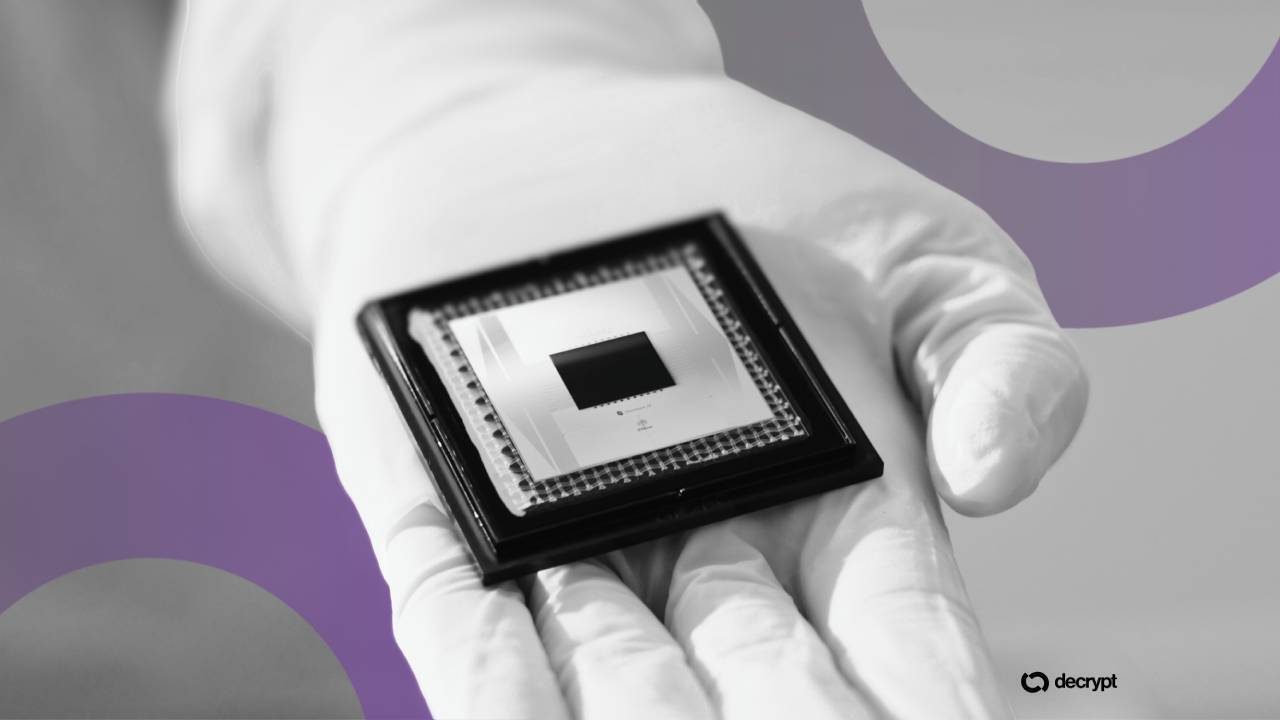
StarkWare has successfully mined a quantum-resistant Bitcoin transaction on the mainnet, offering a temporary shield for digital assets while the network debates a permanent protocol upgrade.
StarkWare, the blockchain infrastructure firm behind the Starknet Ethereum layer-2 network, announced that the first quantum-safe Bitcoin transaction has been successfully mined on the mainnet. The experimental method, dubbed Quantum-Safe Bitcoin (QSB), secures funds against future quantum computing threats without altering the network’s existing consensus rules.
Developed by StarkWare researcher Avihu Levy and engineered by Tomer Giladi, QSB adds a secondary, quantum-resistant lock utilizing hash functions instead of traditional elliptic-curve cryptography. The process relies on signature grinding, which performs off-chain computational work to generate a transaction hash that the Bitcoin network accepts as a validly formatted signature.
This development addresses a growing systemic risk for digital asset markets and institutional investors. Bitcoin’s current cryptographic model is theoretically vulnerable to Shor’s algorithm, which a sufficiently advanced quantum computer could use to derive private keys and steal funds.
The scale of potential financial exposure is substantial. In June, Coinbase’s quantum advisory council estimated that roughly 7 million Bitcoin remain vulnerable to such future attacks due to historical address reuse and exposed public keys.
However, StarkWare executives caution that this experiment is not a comprehensive fix for the broader network. The QSB method cannot protect addresses with already-exposed public keys and currently requires transactions to be routed directly to miners.
Consequently, StarkWare continues to advocate for a network-wide soft fork as the definitive long-term defense mechanism. A soft fork would introduce new security rules while maintaining compatibility with older nodes, thereby avoiding the contentious network splits associated with hard forks.
StarkWare CEO Eli Ben-Sasson emphasized that the successful transaction merely offers reassurance and buys time for the ecosystem. "I still want Bitcoin to choose to do a soft fork and I expect we will get one," Ben-Sasson stated.
He warned against complacency regarding the network's current security status. "I hope whatever attention this brilliant work gets will also help folks hear loud and clear our message: Huston, we've got a problem, and the way to fix it should be to get serious about serious soft forks for Bitcoin," he wrote. "That's how catastrophe can be avoided, and we still have time."