Bogotá deploys special transit for 40,000-capacity concert
Bogotá is extending rapid transit hours and activating 14 market plazas for major cultural events, testing urban infrastructure capacity to support large-scale commercial activation.
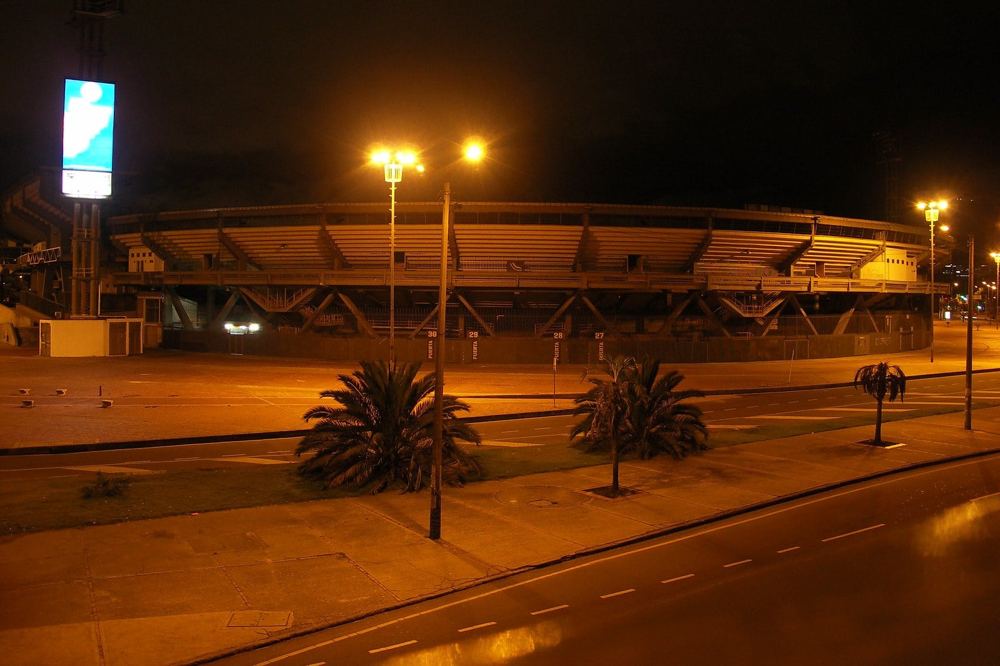
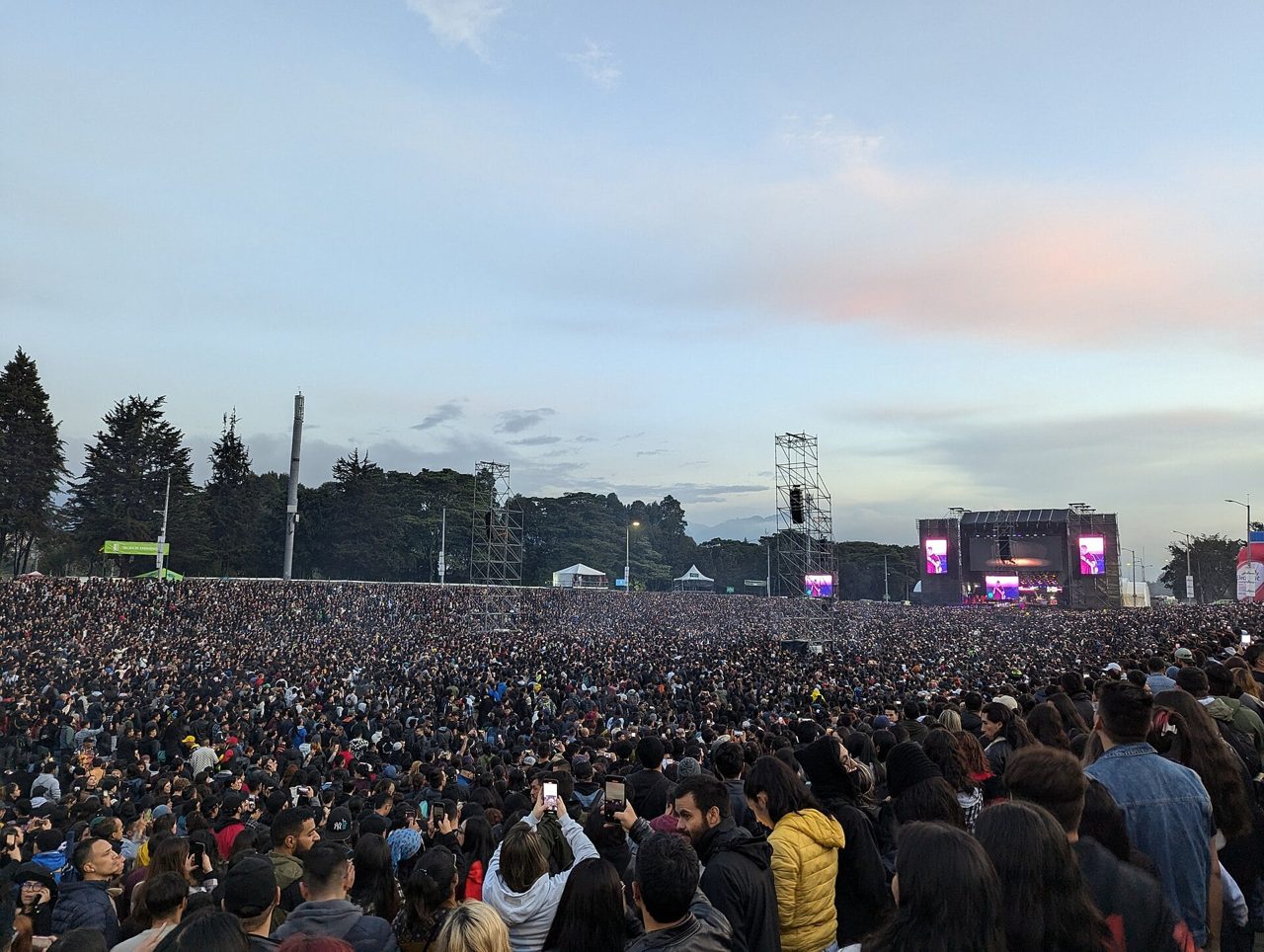
Bogotá will host a 40,000-attendee Nicky Jam concert at Estadio Nemesio Camacho El Campín on June 6, 2026, following a citywide rice festival that activated 14 public market plazas in May. The back-to-back events require local authorities to execute complex logistics, ranging from extended public transport operations to decentralized retail footfall strategies.
Moving 40,000 people out of the Teusaquillo locality demands the city's bus rapid transit system, TransMilenio, to run special late-night departures from the Campín-UAN and Movistar Arena stations. Keeping this network operational beyond standard hours requires coordinated scheduling of drivers, security, and station staff. This serves as a direct stress test for Bogotá's mobility infrastructure under peak demand.
The Festival del Arroz, held from May 16 to 18, illustrates a separate commercial strategy: driving consumer footfall to peripheral neighborhoods. Organized by the city's Instituto para la Economía Social (IPES) and the national rice growers' federation Fedearroz, the event involved between 57 and 90 restaurants across 14 Plazas Distritales de Mercado.
For investors, these coordinated operations signal Bogotá's capacity to manage overlapping mass gatherings without disrupting daily commerce. By routing concertgoers through specific transit nodes and pushing festival visitors into both central and peripheral market halls, the city is testing models to distribute economic benefits rather than concentrate them in established dining corridors like Zona Rosa.
The execution of these logistics will influence Bogotá's attractiveness for future large-scale international events. Market professionals will be watching whether the late-night transit operations successfully mitigate gridlock and if the decentralized market model generates measurable retail activity across the 14 locations.