World Bank Pledges $163 Million for Nepal Flood Recovery Amid Geopolitical Aid Push
International financial and logistical support is mobilizing for Nepal following deadly border floods, highlighting the competing geopolitical interests of regional powers and the fiscal challenge of transparent fund deployment.
A devastating flood and mudslide along the Nepal-Tibet border claimed at least 150 lives on August 26, leaving hundreds of tourists missing. In response, the Nepalese government is actively coordinating emergency aid and reconstruction efforts across the damaged territories.
The World Bank has stepped forward as a major financial backer in the disaster's aftermath. Country Director David Sislen advised Finance Minister Swarnim Wagle that roughly 25 billion Nepalese rupees ($163 million) is available for urgent emergency support. This represents one of the most substantial financial commitments announced to date.
This multilateral funding coincides with bilateral aid that highlights the strategic rivalry between India and China. Both neighboring nations are utilizing humanitarian relief to project soft power and extend their geopolitical influence throughout the Himalayan region.
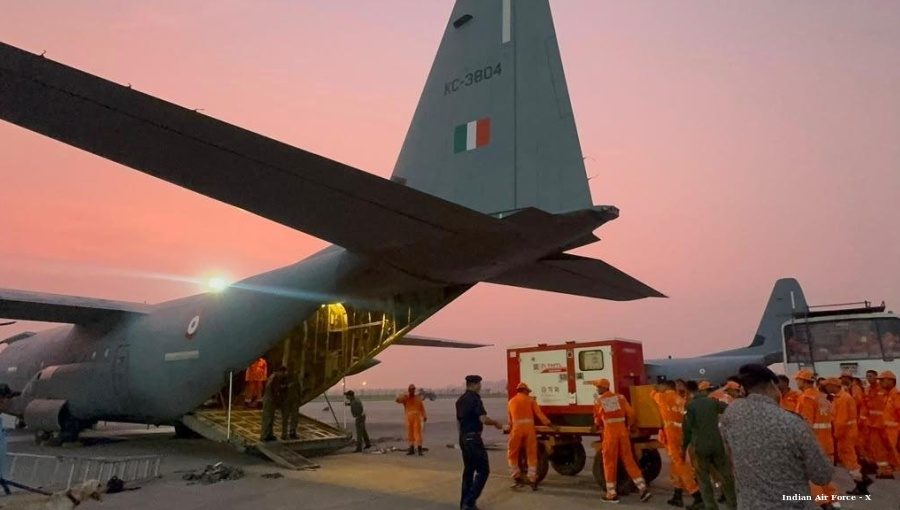
New Delhi has formally requested a detailed inventory of critical supplies required by disaster victims. To address immediate needs, the Indian Air Force has already deployed a C-130J aircraft loaded with 10 tonnes of relief materials.
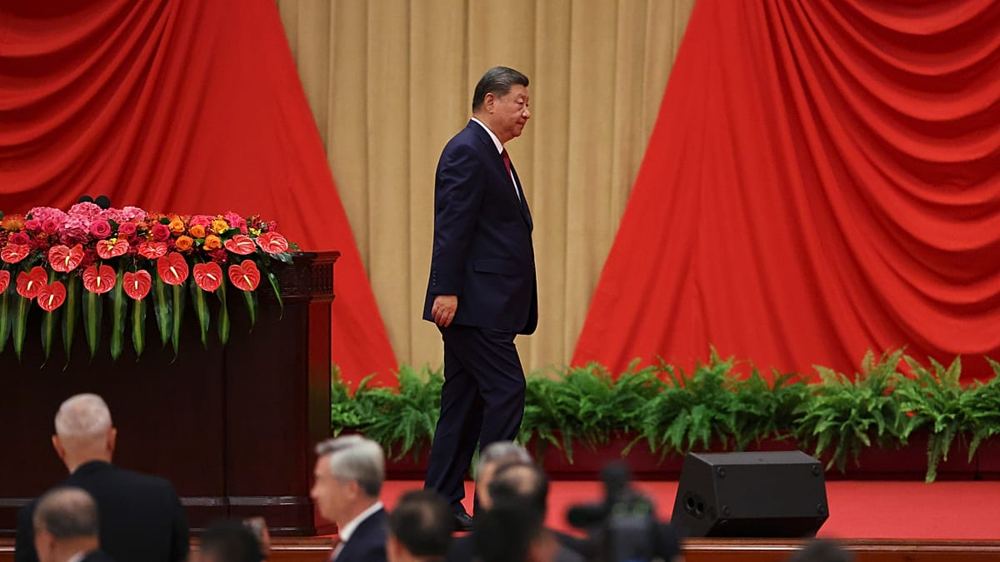
Concurrently, Beijing is pursuing a direct financial contribution. Ambassador Zhang Maoming notified local officials of China's intention to provide immediate monetary assistance, prompting the Ministry of Finance to prepare the necessary fund transfer procedures.
To streamline the influx of resources, Nepal’s Cabinet has officially designated the Rasuwa, Nuwakot, and Dhading districts as disaster crisis zones. This legal status authorizes the rapid deployment of domestic and foreign relief assets. It is expected to accelerate logistical coordination as international pledges transition into tangible on-the-ground assistance.
For international donors and market observers, the primary challenge now shifts from securing pledges to operational execution. Finance Minister Wagle has launched inter-agency consultations to build clear distribution channels for the incoming capital. Effective coordination is vital as aid arrives from diverse bilateral and multilateral sources.
Authorities will face intense scrutiny to ensure the transparent and efficient distribution of these funds in the coming weeks. The government’s capacity to manage this complex logistical and financial operation will be heavily tested. Maintaining strict fiscal integrity will be essential to preserving long-term donor confidence.