BOJ Deputy Governor Himino Signals Need for Timely Interest Rate Hikes
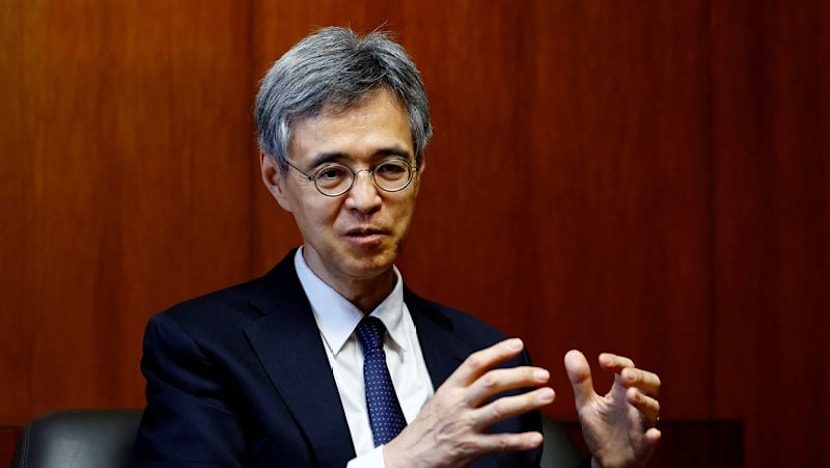
Bank of Japan Deputy Governor Ryozo Himino signaled the necessity of timely interest rate increases to prevent disruptive inflation spikes, highlighting a potential policy shift that could reshape asset allocation and currency markets.
Bank of Japan Deputy Governor Ryozo Himino stated on Thursday that the central bank must raise interest rates in a timely manner. He warned that delaying this adjustment could trigger a sharp inflation spike, eventually forcing the institution into abrupt and disruptive monetary tightening.
Speaking to business leaders in Urawa, Himino emphasized the necessity of monitoring upward price pressures more closely than in previous years. "If underlying inflation deviates above our 2 per cent target, that would have an adverse impact on the economy," he said. He added that in-depth deliberations at future policy meetings must firmly reflect this perspective.
This commentary signals a maturing policy stance from the BOJ as underlying inflation approaches the 2 per cent threshold. Himino argued that normalizing currently accommodative financial conditions would allow capital to flow more efficiently toward investments with genuine growth potential. This shift in asset distribution is a critical consideration for equity and fixed-income investors tracking Japanese markets.
The deputy governor specifically highlighted the weak yen as a catalyst that could accelerate domestic price growth faster than historical patterns suggest. He noted that the impact of exchange-rate fluctuations on inflation remains a primary factor guiding the central bank’s policy trajectory. For multinational corporations and currency traders, this underscores the heightened sensitivity of BOJ decisions to foreign exchange volatility.
Framing the current monetary environment, Himino observed that the central bank is still "pressing on the accelerator." He asserted that policymakers will need to "ease off in a timely manner through rate hikes" to safeguard long-term economic stability.
Any future policy adjustments will depend on a meticulous review of incoming macroeconomic data. Himino stressed that the BOJ must continuously evaluate "various bits of information," encompassing broader economic trends, price developments, and prevailing financial conditions, before committing to a new policy path.