Bank of Korea Raises Rates to 3% as Core Inflation and Housing Costs Surge
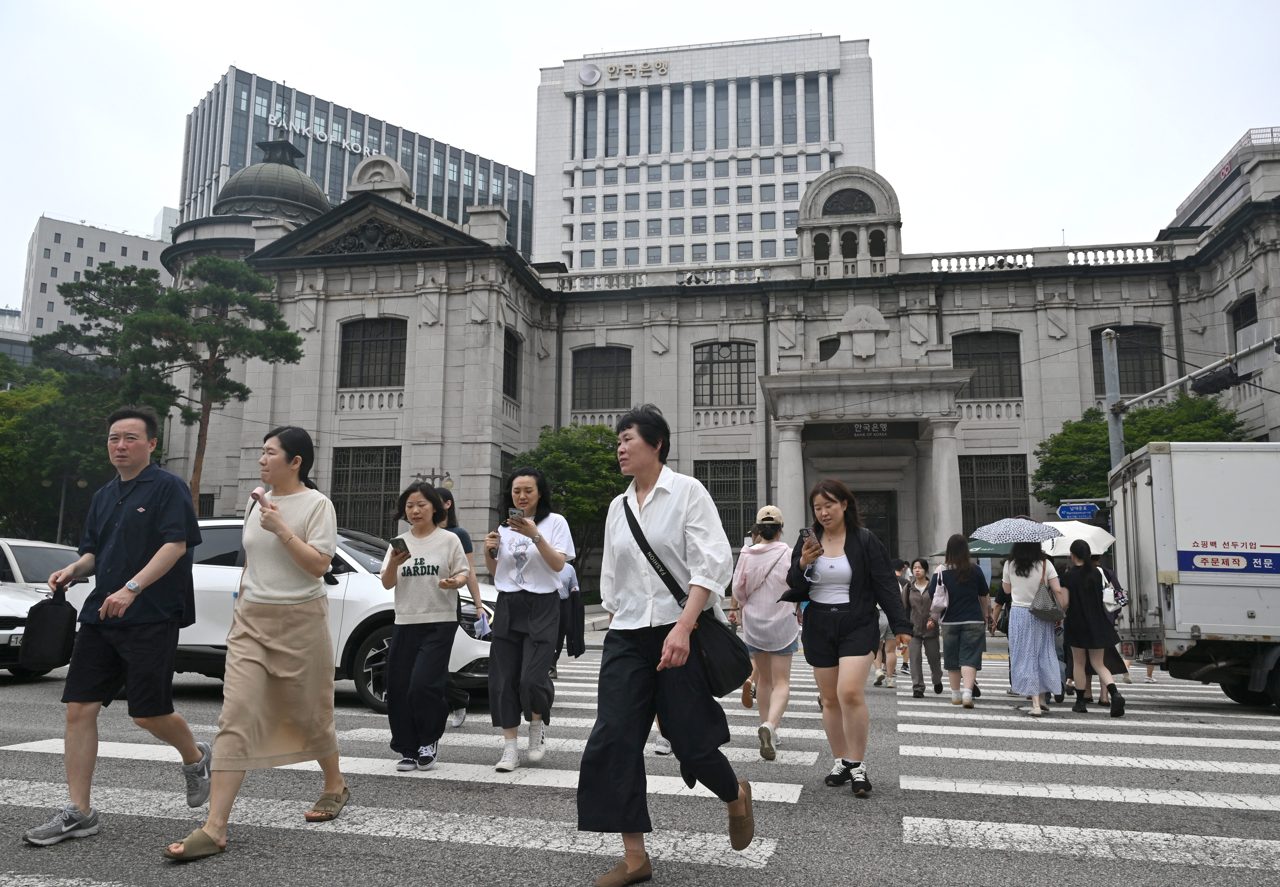
South Korea’s central bank delivered a second consecutive rate increase to curb persistent inflation and a surging property market, signaling tighter monetary conditions for Asia’s fourth-largest economy.
The Bank of Korea increased its benchmark interest rate by 25 basis points to 3 percent on Thursday. This marks the second consecutive rate hike as policymakers attempt to anchor rising prices across the economy. The move aligns with market expectations and pushes borrowing costs to their highest level since January 2025.
The decision follows a core inflation reading of 2.6 percent in July, marking the highest level recorded since December 2023. Although the headline inflation rate eased slightly to 2.8 percent last month, it had climbed steadily every month from February through June. This persistent upward trajectory began shortly after the onset of the Iran war, introducing sustained macroeconomic cost pressures.
Property market dynamics remain a primary concern for the central bank as it calibrates its tightening cycle. Housing prices in Seoul and its surrounding regions accelerated sharply, jumping 2.5 percent month on month in June, representing the most significant monthly increase in five years. Consequently, the Bank of Korea stated it is necessary to "continue a policy stance consistent with further rate hikes" to prevent these elevated cost pressures from becoming entrenched.
Despite this deliberate monetary tightening, the broader economic backdrop retains underlying strength. The central bank projects robust expansion in both export and domestic demand over the coming quarters. This optimism is largely underpinned by positive spillover effects originating from the nation’s dominant semiconductor sector, which continues to drive industrial output and job creation.
For investors and market professionals, the trajectory of South Korean monetary policy is now clearly anchored to a restrictive reality. The central bank explicitly forecasts that inflation will remain above its 2 percent target level for a considerable time, signaling sustained capital cost pressures for corporations relying on domestic borrowing. Consequently, fixed-income and currency markets must continuously price in the tangible risk of additional tightening measures by the central bank in the months ahead.