Dolly Parton built $450m fortune on intellectual property and diversification
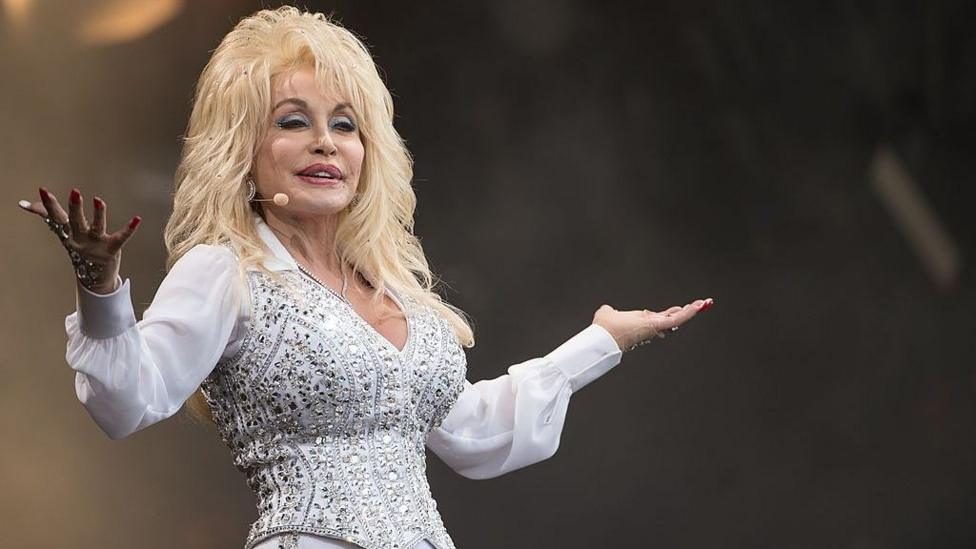
The late country music icon amassed a $450m net worth by retaining publishing rights and aggressively diversifying her revenue streams, establishing a blueprint for modern entertainers.
Dolly Parton, who has died, leaves behind a $450m net worth built as much on entrepreneurial strategy as musical talent. While her country hits and film roles generated global fame, Forbes notes it was her corporate deals and investments that secured her financial legacy.
Her wealth originated from a foundational decision to retain her intellectual property. In 1974, she rejected a request from Elvis Presley to cover her song I Will Always Love You because his manager demanded half the publishing rights. That retention paid off massively when Whitney Houston covered the track in 1992, generating over 20 million global sales and more than $10m in royalties for Parton.
Parton systematically expanded her portfolio beyond music. She co-founded Sandollar Productions in 1985, backing projects like the 1990s film Buffy The Vampire Slayer, and became a co-owner of the Dollywood theme park in Tennessee the following year. She continued expanding this hospitality footprint by opening the four-star DreamMore Resort in 2015, turning the park into the largest employer in its county.
Her commercial expansion accelerated late in life. Parton launched the Dolly Beauty cosmetics line in 2025 and opened Dolly’s Tennessean Travel Stop in June this year. Paul Milliken, a Fox 5 Atlanta reporter, noted that this diversification remains a vital lesson for today's young artists.
Her approach to intellectual property has influenced a new generation of megastars. Maike Currie, vice president of personal finance at PensionBee, suggested that Taylor Swift’s decision to rerecord her early catalog to regain ownership mirrors Parton’s foundational business practices. Currie described Parton as an iconic investor and a prime example of the power of female financial independence.
Parton fiercely protected her brand equity by avoiding political entanglements, notably declining the Presidential Medal of Freedom from both Donald Trump and Joe Biden. She redirected her capital toward philanthropy, funding child literacy, wildfire relief, and Covid-19 vaccine research, earning the Carnegie Medal of Philanthropy in 2022.
Her commercial instincts were shaped by her father, who taught her early on to retain her publishing rights. "My dad wasn't an educated man, he wasn't able to read and write, but my daddy had a great sense of business," she told the BBC in 2017. "So when I got into the music business, I thought of it as a business."
Despite her vast wealth, she maintained a frugal personal mindset rooted in her impoverished upbringing. "Even now if I go in a store it's hard for me to pay a huge amount of money for one item," she noted. Yet her drive to build and invest never faded, as she stated in the same interview: "I just wish I was 30 years old so I could start over again and get all this stuff done."