Nigerian stocks to flatline after 51% H1 rally on earnings, rate headwinds
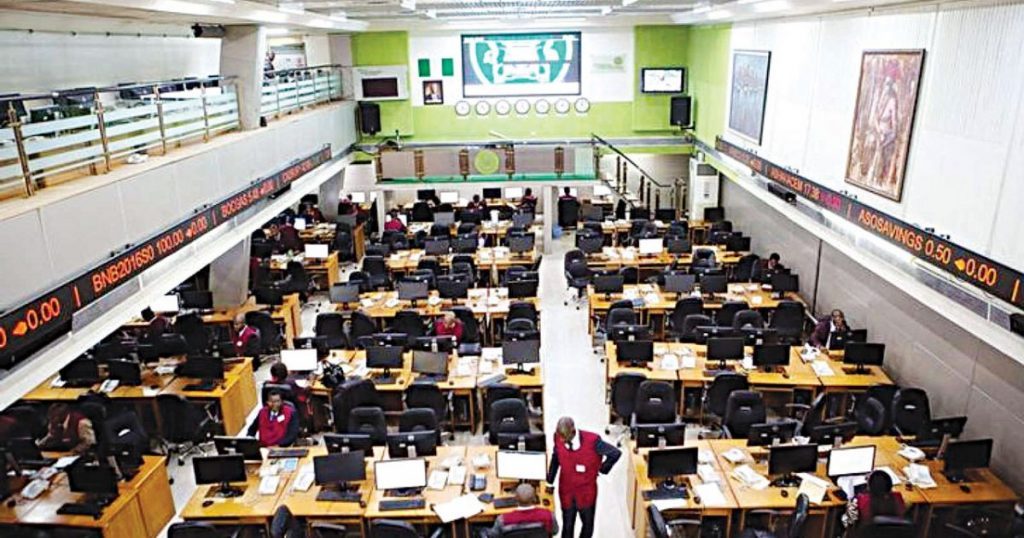
After surging past initial forecasts in the first half of 2026, Nigeria's stock market is expected to stall as investors shift focus to corporate earnings, sticky inflation and election-related risks.
The Nigerian Exchange has surged more than 51 percent in the first half of 2026, but analysts expect the rally to end there. Arthur Steven Asset Management now forecasts the benchmark will close the year around 50 percent, or just slightly below. “We had predicted at the beginning of the year that the market was going to do a 45 percent gain. The market has surpassed that. We are at 51 percent,” said managing director Tunde Amologbe.
The initial surge was driven by banking recapitalisation, improved foreign exchange liquidity and broad optimism over macroeconomic reforms. That momentum is now fading. “Our feeling is that ultimately we are likely to close at about this level by December 2026,” Amologbe said, noting that “We are expecting relatively stable markets.”
For the second half, market direction will depend on corporate fundamentals rather than sentiment. “The next phase of the market will require stronger earnings delivery, sustained macroeconomic stability and continued policy consistency,” Arthur Steven warned. Investors are also watching for potential listings from Dangote Refinery and the Nigerian National Petroleum Company.
Underlying economic indicators present a mixed picture. The economy grew 3.9 percent in the first quarter, supported by stronger oil output and a resilient non-oil sector, which helped secure an S&P Global Ratings sovereign credit upgrade. “The economy is moving in the direction we expected,” said Segun Adams, a macroeconomic strategist at Afrinvest Research.
Yet, the same factors supporting growth are turning into headwinds. Geopolitical tensions in the Middle East have pushed up global energy prices, disrupting Nigeria's disinflation trajectory. “The war disrupted that trajectory,” Adams said, explaining that Afrinvest has revised its 2026 average inflation forecast higher due to accelerating month-on-month price increases.
Elevated inflation removes any room for the Central Bank of Nigeria to cut interest rates aggressively. High fixed-income yields will therefore compete with equities for capital, effectively capping another broad-based stock rally. The approaching 2027 general elections add further pressure, as increased government spending could stoke demand-driven inflation.
“If inflation is demand-driven as a result of increased money supply, the Central Bank will be compelled to hike interest rates,” said capital market economist Professor Uche Uwaleke. “There is an inverse relationship between rising interest rates and stock market performance.” Structural vulnerabilities in Nigeria's capital flows compound these monetary risks.
While foreign portfolio investments have helped stabilise the naira and build external reserves, long-term foreign direct investment remains critically weak at just 1.3 percent of total inflows. “FDI being currently at 1.3 percent is not good enough at all,” Adams said, warning that portfolio flows can reverse quickly during global shocks.
Despite the cautious outlook, Arthur Steven expects investors to maintain a preference for equities over other asset classes. The firm advised regular portfolio rebalancing as the market transitions from a broad rally to a more demanding environment driven by company-specific results.