SpaceX Shorts Up $8.7 Billion as AI Spending Fears Hit Stock
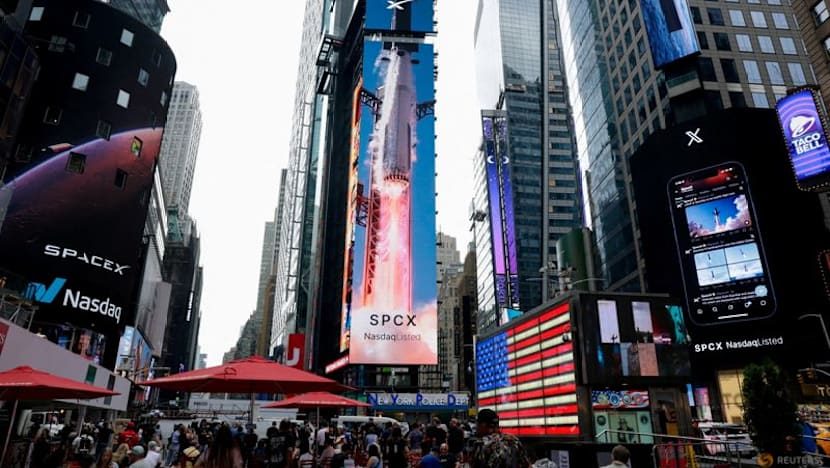
Bearish traders have made $8.7 billion in paper profits betting against SpaceX as concerns over debt-fueled AI spending drag the newly public stock below its listing price, creating conditions for extreme volatility.
Short sellers targeting SpaceX are sitting on an estimated $8.7 billion in paper profits after the stock dropped below its initial public offering price for the first time. The shares fell beneath the $135 listing level on Wednesday before paring losses to close just above that mark.
The rapid price decline from a post-IPO high of $225.64 has validated a highly aggressive bearish strategy. Short sellers borrow shares to sell them, aiming to repurchase them later at a lower price. In this instance, traders have heavily targeted SpaceX due to skepticism surrounding its lofty valuation.
The scale of the bearish positioning is now immense. Approximately 49 percent of SpaceX's free float is currently out on loan. "We believe most of that is short selling," said Peter Hillerberg, co-founder of data firm Ortex. "Rather than take profits, the bears kept adding the whole way down."
The primary catalyst for the stock's weakness is mounting investor concern over the company's debt-funded artificial intelligence investments. Market participants are questioning the capital efficiency of these AI expenditures, which has overshadowed the company's core aerospace operations.
Despite the handsome paper gains for bears, maintaining these positions carries substantial risk. SpaceX retains strong backing from both retail and institutional investors. Furthermore, CEO Elon Musk has a well-documented history of publicly battling short sellers, making prolonged bearish bets against his companies a precarious proposition.
The concentrated short interest is also structurally warping the stock's trading dynamics. Ortex estimates that every single dollar of price movement in SpaceX shares now equates to more than $300 million in value on the short side. This massive delta means the stock is primed for violent swings in either direction, particularly if a catalyst forces short sellers to buy back shares to cover their positions.
"SpaceX has been a rollercoaster for the short sellers, and it has ended up firmly in their favor," Hillerberg said. SpaceX did not immediately respond to a request for comment. The stock was trading up about 1 percent at $136.28 on Thursday, hovering just above its IPO price.