Cybersecurity and Meta gain as investors demand AI returns
Investors are rotating out of broad AI hardware plays into cybersecurity and companies with clear monetization paths, signaling a maturation of the artificial intelligence trade.
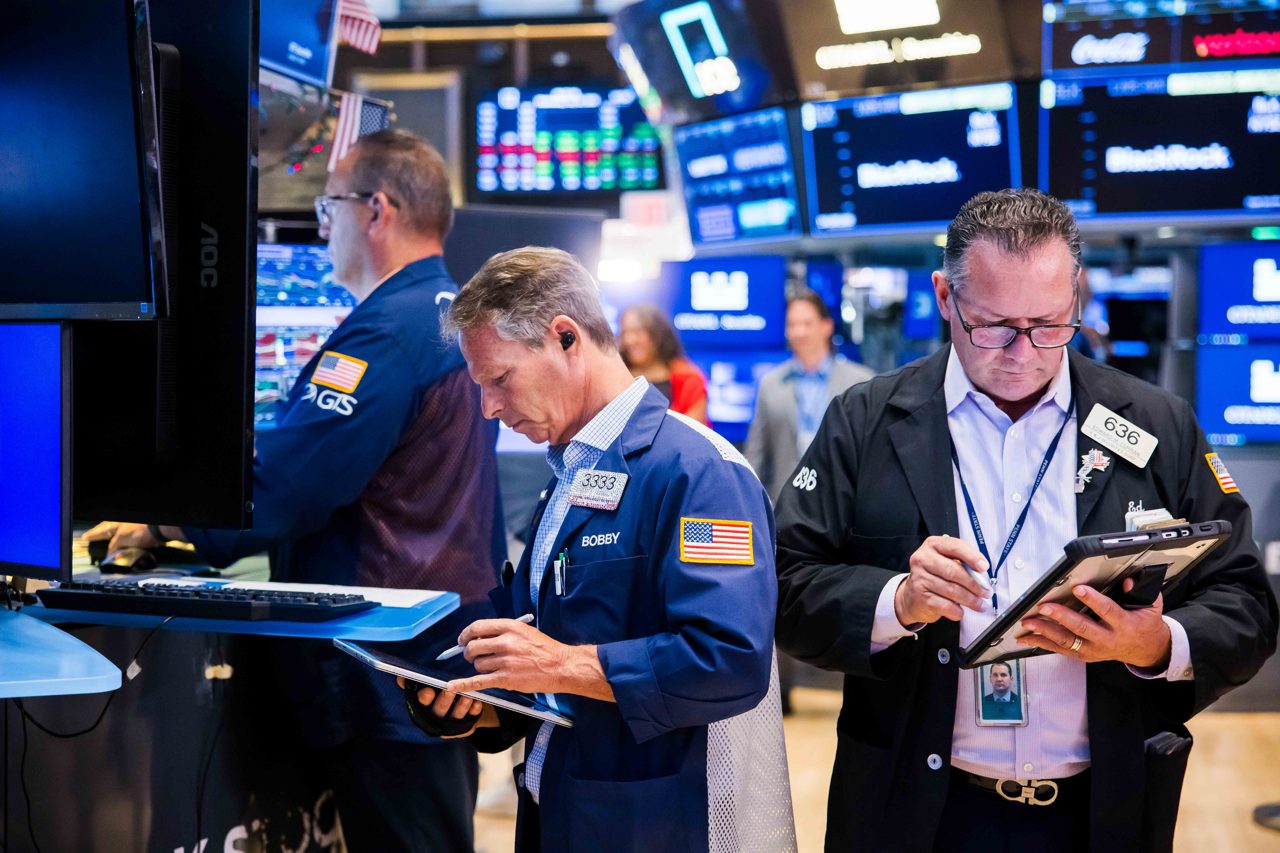
US stock indices posted modest gains between June 17 and Wednesday, but the rally's leadership shifted markedly beneath the surface. The Dow rose 2.3% to a record high on July 6, while the S&P 500 added 2.1% and the Nasdaq trailed with a 1% gain. The divergence highlights a market where investors are becoming highly selective about artificial intelligence exposure and rotating into defensive sectors amid rising concerns about a potential conflict with Iran.
Cybersecurity has emerged as the clearest beneficiary of this shifting AI narrative. Palo Alto Networks climbed 25.5% and CrowdStrike gained 21.7%, both hitting record highs. Investors now bet AI will drive demand for digital defense, a view accelerated by Anthropic's Mythos models, reports of advanced Chinese AI identifying software vulnerabilities, and IBM CEO Arvind Krishna naming cybersecurity a top IT spending priority.
Investors are also rewarding companies that demonstrate concrete paths to monetizing massive AI investments. Meta surged 20% after detailing plans to rent excess computing capacity via a new cloud business and introducing paid AI tools for developers and advertisers. A Reuters report that Meta will manufacture its own custom AI chips this year prompted Bank of America analysts to slash their cost estimates for the company's computing capacity from $45 billion to $22 billion per gigawatt.
Apple advanced 10.7% as confidence grew that it can capitalize on AI without matching the capital expenditures of its peers. Its multiyear partnership to integrate Alphabet's Gemini model, showcased at its June developer conference, leverages an installed base of roughly 1.5 billion iPhones. Although the stock briefly stumbled in late June over device price increases tied to memory costs, Apple still closed at a record high on Wednesday.
Not all tech names shared in the upside, as the semiconductor cohort experienced a sharp rotation. Intel fell 15% and Qnity Electronics declined 10.5% as investors locked in profits, though Intel remains up more than 170% year to date. Qnity's drop was exacerbated by results from largest customer Samsung Electronics, which one observer described as "superb but not superb enough."
FedEx Freight also lagged, dropping 12.4% following its early June spinoff. While its underlying revenue and operating income actually topped expectations, the stock faced near-term pressure from shareholders selling the newly distributed shares. The largest less-than-truckload player in North America continues to face margin headwinds from fuel surcharges that previously weighed on its former parent.