Trump-Backed Darline Graham Wins South Carolina Senate Primary Runoff
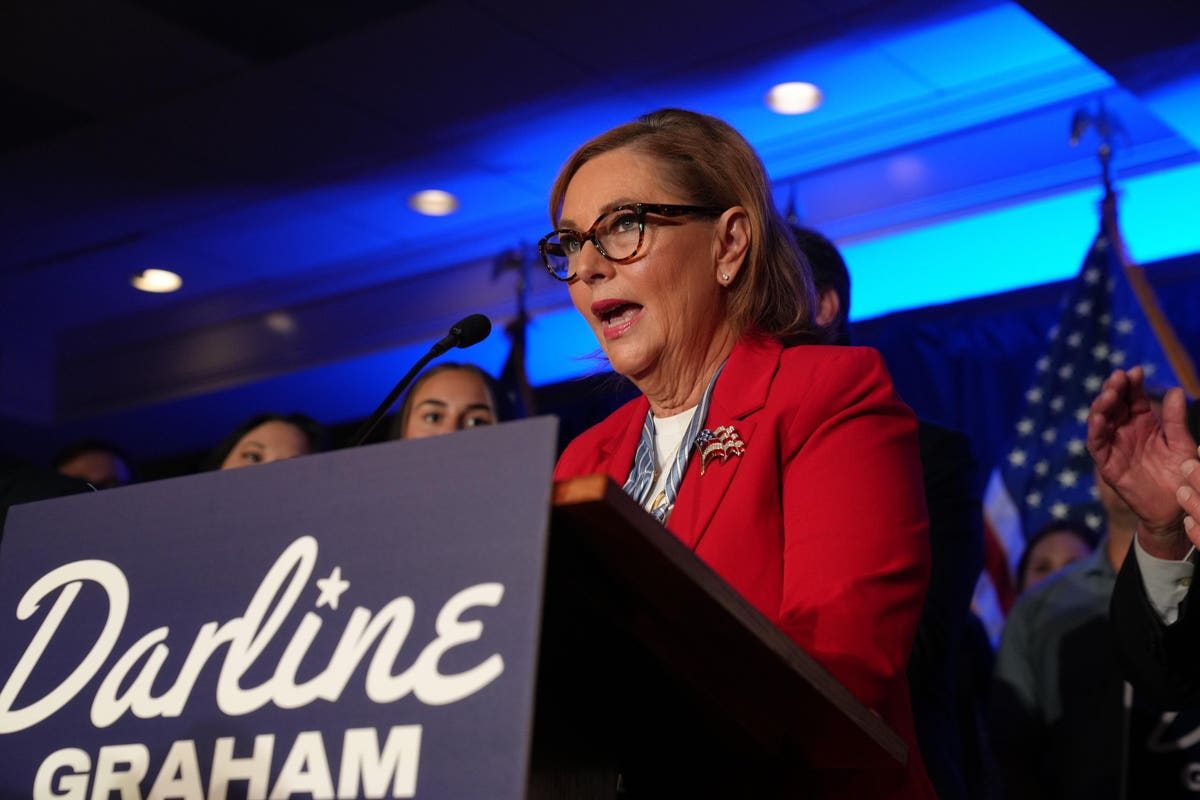
Darline Graham secured the Republican nomination for the South Carolina Senate seat, signaling a shift toward Trump-aligned influence that could introduce geopolitical and energy policy uncertainty for markets.
Darline Graham has won the Republican primary runoff for the South Carolina Senate seat, securing 52.5 percent of the vote against Representative Ralph Norman’s 47.6 percent. The victory guarantees her place on the November ballot against Democrat Dr. Annie Andrews in a district considered safely Republican.
For investors and market professionals, this transition replaces a seasoned foreign policy hawk with a politically inexperienced successor. The shift raises questions about future legislative stability regarding defense spending, international trade, and energy policy, particularly given her admitted lack of expertise in national security matters.
The outcome was heavily influenced by targeted political spending. Federal Election Commission records show President Donald Trump’s MAGA Inc. super PAC directed $827,000 to support Graham’s campaign. Prior to this race, the same super PAC had spent only approximately $18,000 on the current midterm cycle.
Norman, elected in 2017, entered the race following the July 11 death of Senator Lindsey Graham at age 71 from a torn aorta. While Norman generally aligns with conservative policies, his decision to endorse Nikki Haley over Trump in the 2024 Republican primaries likely contributed to his defeat in the runoff.
Market analysts will be closely watching how Graham’s stance on international conflicts translates into legislative action. During a recent debate, she stated she is “not that informed on national security” when questioned about Taiwan and the South China Sea. She further acknowledged, “I’m not a polished politician . . . national security is not my thing, not my area of expertise, but I do support the military.”
Domestically, Graham’s campaign has centered on affordability and her endorsement by Trump, despite broader cost-of-living concerns weighing on Republican midterm prospects. When asked to reconcile her support for potential conflict with Iran and her affordability messaging, she noted, “I realize the price of gas is a little high right now,” but added, “I believe in [Trump] when it comes to dealing with Iran.”
Governor Henry McMaster originally appointed Graham to serve the remainder of her brother’s term, a move supported by Trump and Senator Tim Scott. Lindsey Graham had previously won his June primary with 57 percent of the vote just weeks before his sudden death, leaving a significant void in Senate foreign policy leadership that markets will now monitor under new stewardship.