SpaceX shorts notch $8.7bn profit as shares slip below IPO
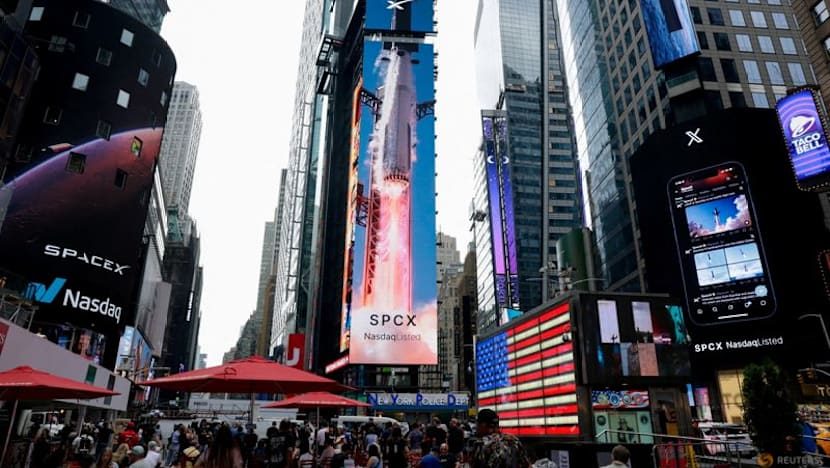
Short sellers have amassed $8.7 billion in paper profits targeting SpaceX since its listing last month, a massive bearish bet that threatens to inject severe volatility into the stock as investors fret over debt-fueled AI spending.
Short sellers targeting SpaceX have accumulated an estimated $8.7 billion in paper profits since the company went public last month. The stock dropped below its $135 initial public offering price on Wednesday for the first time before recovering to close just above that level.
The rapid decline marks a sharp reversal from early trading enthusiasm. Following its listing, SpaceX shares surged to a post-IPO high of $225.64. However, that momentum proved fleeting as the broader market recalibrated its expectations for the rockets-to-AI firm.
Driving the selling pressure is growing investor anxiety over the company's capital allocation, specifically its debt-funded artificial intelligence spending. Markets are currently penalizing companies that rely heavily on borrowed capital to finance AI infrastructure, and SpaceX has not been immune to this shift in sentiment.
Bears have exploited this downturn aggressively. "SpaceX has been a rollercoaster for the short sellers, and it has ended up firmly in their favor," said Peter Hillerberg, co-founder of data and analytics firm Ortex Technologies. "Rather than take profits, the bears kept adding the whole way down."
The conviction of these bearish traders is reflected in the sheer volume of shares utilized for shorting. Approximately 49% of SpaceX's tradable shares are currently out on loan. "We believe most of that is short selling," Hillerberg noted.
Volatility warning
This massive concentrated short position structurally alters the trading dynamics of the stock. Ortex estimates that every single dollar SpaceX shares move is now worth more than $300 million to the short side. For institutional traders and market makers, this leverage means the stock is highly susceptible to violent price swings in either direction.
Taking a bearish stance against a company led by Elon Musk has historically been a dangerous proposition. Musk has a well-documented track record of public battles against short sellers. Additionally, SpaceX boasts strong backing from both retail and institutional investors, even as its lofty valuation continues to attract skeptics willing to bet against it.
SpaceX did not immediately respond to a request for comment on the short interest. The shares were up about 1% to $136.28 on Thursday.