African states demand local refining, reshaping mineral investment
Ghana, Namibia and the DRC are forcing foreign investors to fund local processing and infrastructure, drastically changing the risk profile of critical mineral deals in Africa.
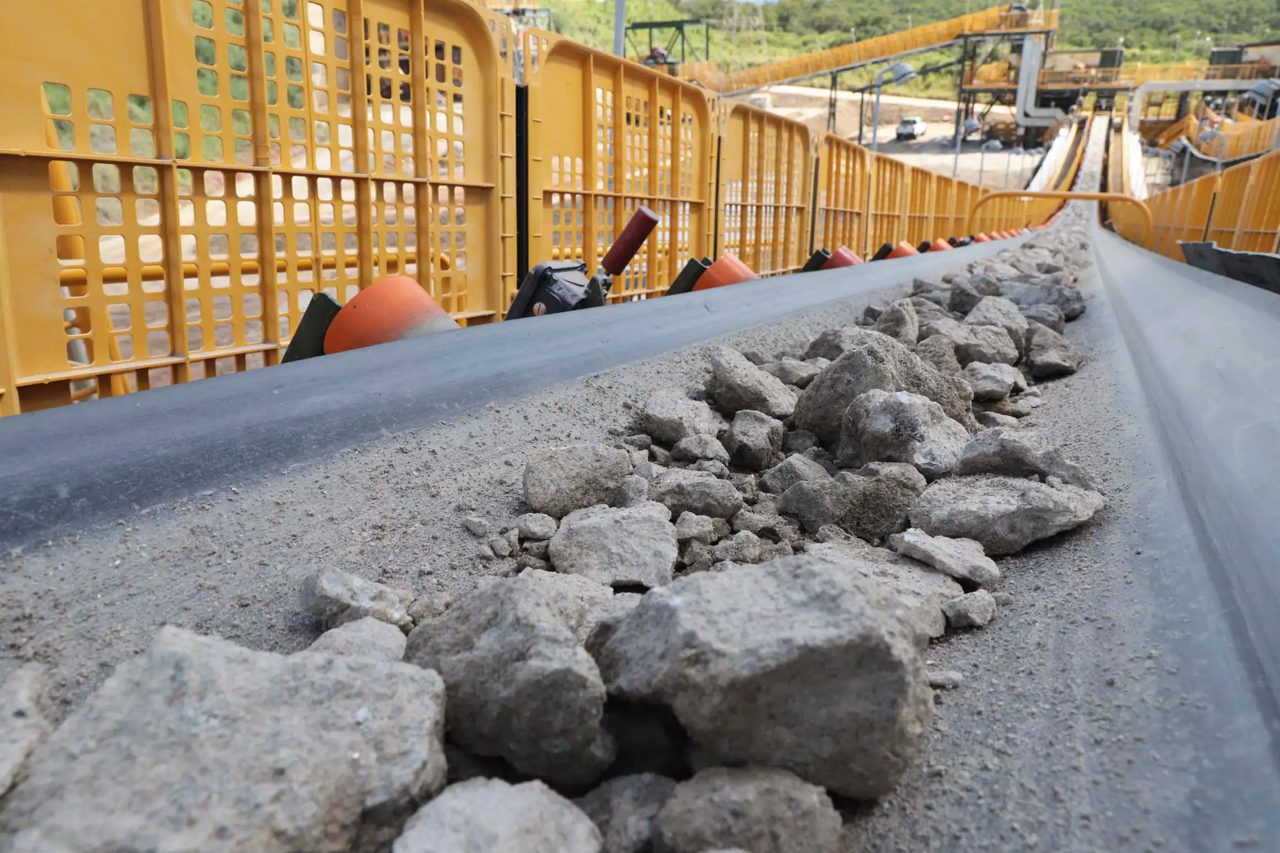
Ghana, Namibia and the Democratic Republic of Congo are systematically dismantling the traditional pit-to-port extraction model. Instead of permitting the export of raw ores, these governments are now requiring foreign miners to build local processing plants, transmission lines and logistics infrastructure as a strict condition of access.
This pivot toward local beneficiation fundamentally alters the capital requirements and risk profiles for mining investments. The question for executives is no longer simply who can extract the minerals, but who can finance and operate entire industrial ecosystems on African soil.
The DRC represents the defining battleground for this shift. The country supplies a dominant share of the world’s cobalt and a rapidly growing portion of its copper. Afreximbank projects the DRC will become sub-Saharan Africa’s fifth-largest economy in 2026, reaching roughly US$123 billion in GDP. Cambridge researchers describe the country as the "pivot of a twenty-first-century superpower contest over strategic minerals," where refining capacity and export routes are simultaneously contested.
Western capital is struggling to match the pace set by Chinese competitors. China-Africa bilateral trade hit US$295.6 billion in 2024, driven by state-backed entities that offer integrated packages bundling mine finance, plant construction, port upgrades and power generation. By comparison, Russia’s Africa trade stood at just US$24.5 billion, limited mostly to security and arms.
Western governments have responded with minerals-security partnerships and corridor diplomacy, but their approach remains fragmented. Investors arrive with compliance requirements and environmental standards, while Chinese firms offer a cheque and a construction schedule. The risk for Western miners is that high-standard capital becomes commercially uncompetitive.
African governments are using their critical mineral dominance to force a better deal. Sub-Saharan Africa holds more than 30 percent of global critical mineral value. The region's share of global lithium production surged from 0.1 percent in 2019 to 10.6 percent in 2025, giving states the leverage to demand equity stakes, local-content rules and higher royalties.
Ghana is actively designing incentives for battery-metal processing and agro-industrial zones to capture the margins currently lost to raw exports. Namibia, leveraging its uranium and rare-earth reserves, is tying new export licences to local beneficiation and power-supply agreements to attract Western development finance.
The next eighteen months will prove decisive. Investors should monitor actual ground-breaking on processing plants rather than memoranda of understanding. The commercial viability of the Western-backed Lobito Corridor will also indicate whether higher-standards capital can finally offer an integrated alternative to Chinese logistics.