Legal challenge threatens US-DRC mineral deals and contract sanctity
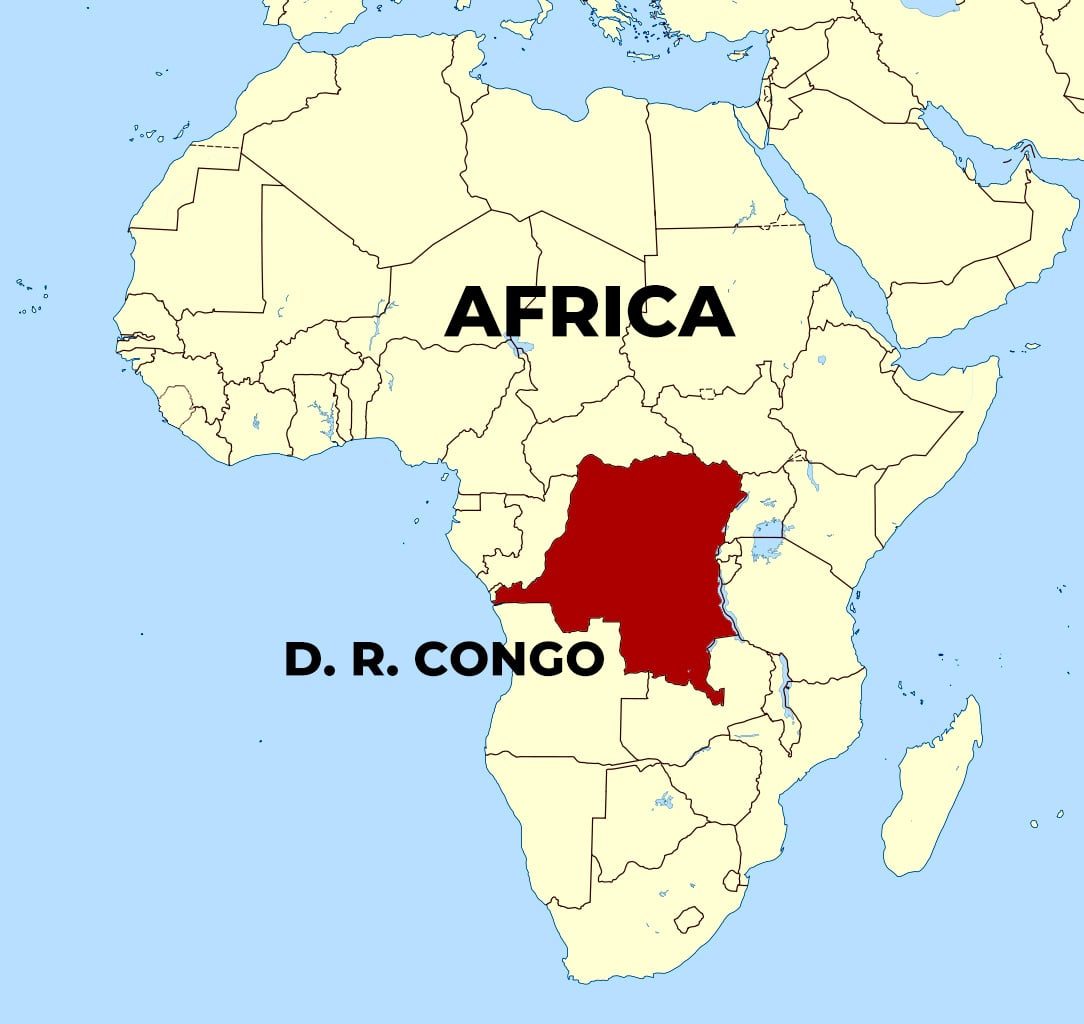
A constitutional court petition and rebel rejection of US-DRC mining agreements threaten to undermine contract sanctity for Western investors seeking to rival China's dominance in Congolese critical minerals.
A coalition of Congolese lawyers and human rights defenders has petitioned the DRC’s Constitutional Court to invalidate the Strategic Partnership Agreement signed in Washington in December 2025. The legal challenge argues the deal, which grants the US preferential access to cobalt, copper, coltan and lithium, was never submitted to parliament or the public as required by Article 214 of the constitution.
Petitioners state the agreement was “never submitted to the Congolese people” and its contents remain undisclosed. A separate analysis by Public Citizen warns the framework “heavily erodes sovereignty” by subjecting Congolese resource decisions to external oversight and joint committee approval.
For international investors, the court challenge introduces critical questions about contract sanctity. Any future government or judicial ruling could invalidate or renegotiate agreements, directly threatening the viability of mining projects with production horizons extending to 2035.
Enforceability doubts
The investment landscape is further complicated by the composite nature of the American involvement. The International Development Finance Corporation has deployed around $3.8 billion, and Reuters reports the State Department is actively promoting corporate deals for assets like the Rubaya coltan deposits. However, Human Rights Watch has warned that Washington might ease sanctions on Israeli businessman Dan Gertler to facilitate an Orion-Glencore transaction, adding significant reputational risk.
Even if the agreements survive legal scrutiny, their physical enforcement remains in doubt. In January 2026, Corneille Nangaa, head of a rebel alliance including the Rwanda-backed M23, called the deal “fundamentally flawed and unconstitutional,” arguing it was negotiated by a “regime that lacks legitimacy and is corrupt.” Nangaa warned that any agreement struck with Kinshasa cannot be implemented in territories under rebel control, undermining the minerals-for-security framework.
Washington’s push is a direct attempt to counter China, whose entities control an estimated three-quarters of the DRC mining sector following major acquisitions like China Molybdenum’s 2016 purchase of the Tenke Fungurume mine. President Donald Trump stated the US would gain “a lot of mineral rights” from the arrangement, while President Félix Tshisekedi has attempted to leverage this great-power rivalry for security guarantees.
Domestic backlash, however, continues to build. Protests have erupted in Kinshasa, with youth activist Christopher Muyisa warning the agreement will fuel more conflict because the parties “lack sincerity” and prioritize geopolitics over peace, leaving Western capital exposed to both legal and operational volatility.