United targets higher yields with empty middle seat rows
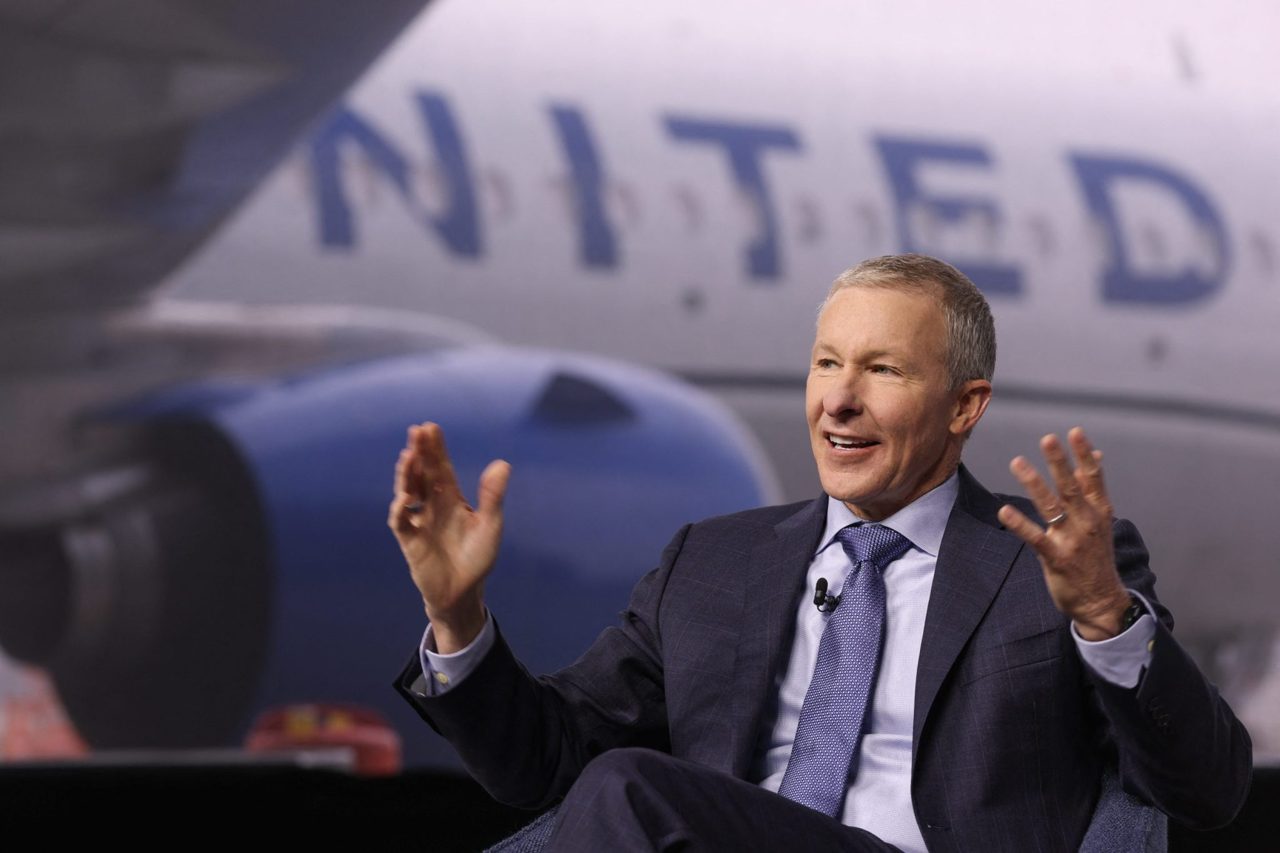
United Airlines is introducing Economy Plus rows with empty middle seats, a move to capture higher ancillary revenue as carriers increasingly segment cabins to target comfort-seeking passengers.
United Airlines will offer Economy Plus passengers an empty middle seat converted into a shared table, aiming to extract higher fares from travelers seeking extra space. The Chicago-based carrier is betting that a moderate upgrade in comfort will convince passengers to pay more without crossing into full business class pricing.
The feature will initially be limited to a single row on United’s incoming Airbus A321XLR aircraft, a narrowbody designed for long-haul routes where passenger comfort is particularly sensitive. Pricing details are expected later this year, though the carrier indicated the concept could spread to other aircraft types. By monetizing space that traditionally goes unsold or is occupied at a standard economy rate, United is testing a new pricing lever.
The strategy reflects a broader industry push toward hyper-segmentation, where airlines layer specialized add-ons to drive up yields. Instead of simply dividing cabins into economy and business, carriers are building micro-tiers to capture revenue from travelers willing to pay a premium for incremental space. This approach helps airlines maximize the revenue potential of every square foot of cabin space.
United expects to be "the only U.S. airline" offering these specific rows. Several European carriers, including Lufthansa and Finnair, already provide empty middle seats to business class passengers, while some airlines historically allow travelers to purchase adjacent empty seats outright.
This announcement follows United’s recent plan to introduce "United Relax Rows" early next year, allowing economy passengers on wider Boeing aircraft to convert three seats into a couch. “We’re investing nose-to-tail across our fleet,” Andrew Nocella, United’s executive vice president and chief commercial officer, said in a statement Tuesday, adding that the additions give customers more "choice and value in every cabin."
While segmentation supports revenue growth, it risks alienating budget-conscious flyers facing a widening gap between the front and back of the plane alongside new fees for once-standard services. This approach aligns with competitors like Delta, which have embraced providing "the best" rather than the cheapest offerings. United executives are pushing back against the notion that they are exclusively chasing big spenders, positioning these premium-lite investments as a strategy to elevate the overall passenger experience.