Khosla, Sequoia back Bunkerhill's $25m raise for hospital AI agents
Bunkerhill Health has secured $25 million in Series B funding to expand its hospital AI platform, signaling to investors that despite a crowded market, major health systems are consolidating around broad operational tools.
Bunkerhill Health closed a $25 million Series B round led by Khosla Ventures, bringing the startup’s total funding to $55 million. Sequoia, Felicis, Optum Ventures, and Y Combinator also participated in the round.
The company operates a platform called Carebricks that deploys AI agents to manage hospital workflow bottlenecks, including long wait times, missed follow-ups, and administrative backlogs. Embedded within the platform are nine clinical algorithms that have received FDA clearance, including tools to detect silent heart valve disease and assess osteoporosis risk.
Bunkerhill has secured contracts with 15 health systems, deploying its technology at high-profile institutions like Cleveland Clinic, Mayo Clinic, and UTMB Health. At UTMB alone, 22 different Bunkerhill agents are currently active.
The funding round arrives during a minor tidal wave of venture capital flowing into healthcare AI administration startups. Vinod Khosla argued that the dynamic in hospital IT departments has fundamentally changed. “Software used to be a pain for hospitals,” Khosla said. “Now, every hospital system is trying to adopt AI. When you switch the words ‘AI’ from ‘software,’ everyone wants to and needs to talk about it.”
While some observers worry the market is becoming saturated with point solutions, Sequoia partner Alfred Lin framed the competition as a necessary filtering process. Lin, who led Bunkerhill’s $6.5 million seed round in 2023, compared the opportunity to past disruptive investments in regulated sectors. “Like real estate with Airbnb, or Uber and DoorDash, there’s a regulatory capture in those industries, and healthcare isn’t any different,” Lin said. “What [Bunkerhill] is trying to do across parties is hard, but it’s also undeniable that there’s opportunity to improve health outcomes.”
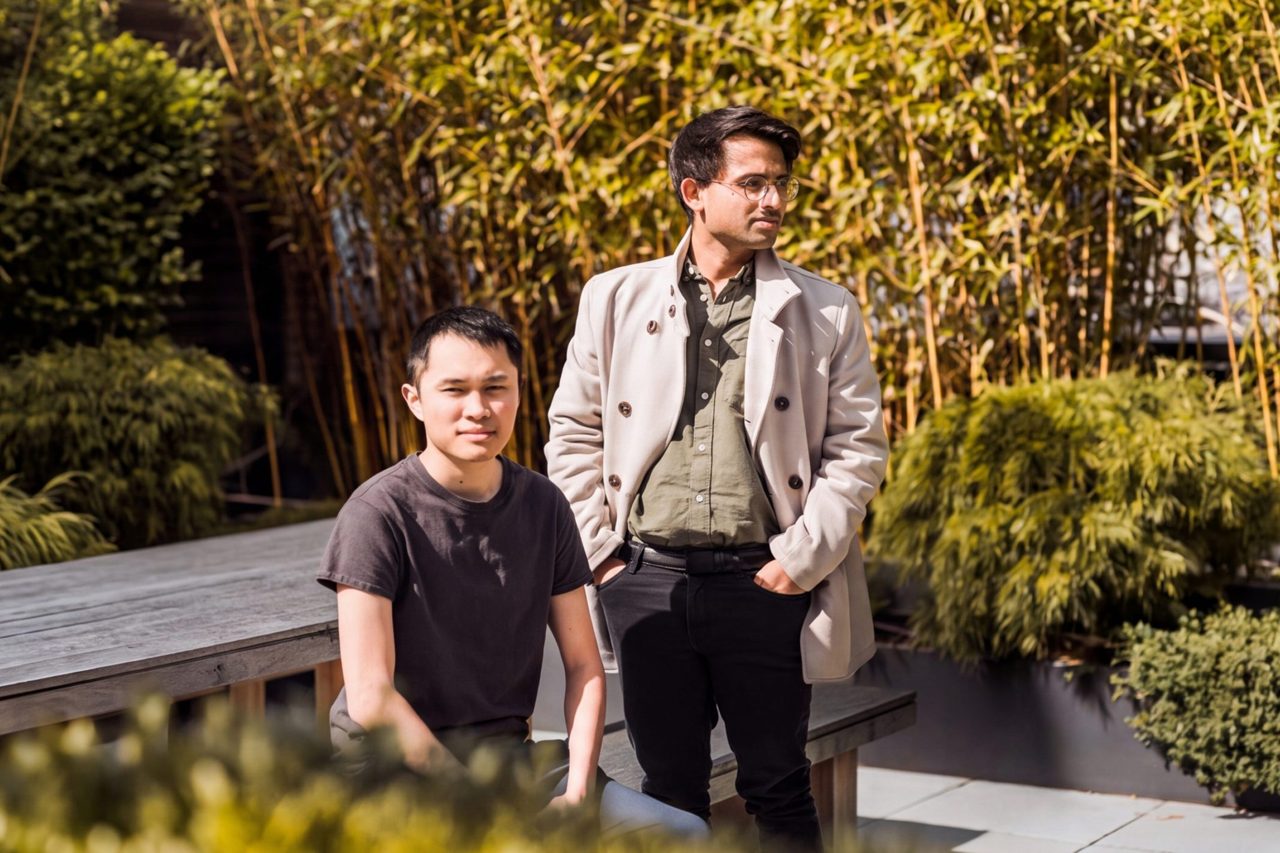
Bunkerhill CEO Nishith Khandwala emphasized that the company’s appeal lies in replacing a fragmented vendor landscape with a unified system. “Why should a hospital need to work with 100 different companies to solve 100 different problems?” Khandwala said. “Most companies are still solving one narrow problem, and we’ve moved past that.”
Hospital executives appear to agree with the platform approach, even as they navigate AI hype. “We may be in an AI bubble overall, but if there’s one place where the need for AI is extremely legitimate, I’d say it’s healthcare,” said Dr. Peter McCaffrey, chief AI officer at UTMB. “We don’t need superintelligence to solve our biggest problems. We need average intelligence.”