Hong Kong Industrial Property Leases Rise as Northern Metropolis Displaces Brownfield Tenants
The forced relocation of businesses from Hong Kong’s New Territories is driving a surge in industrial building leases, providing crucial support to a sector facing prolonged rental declines.
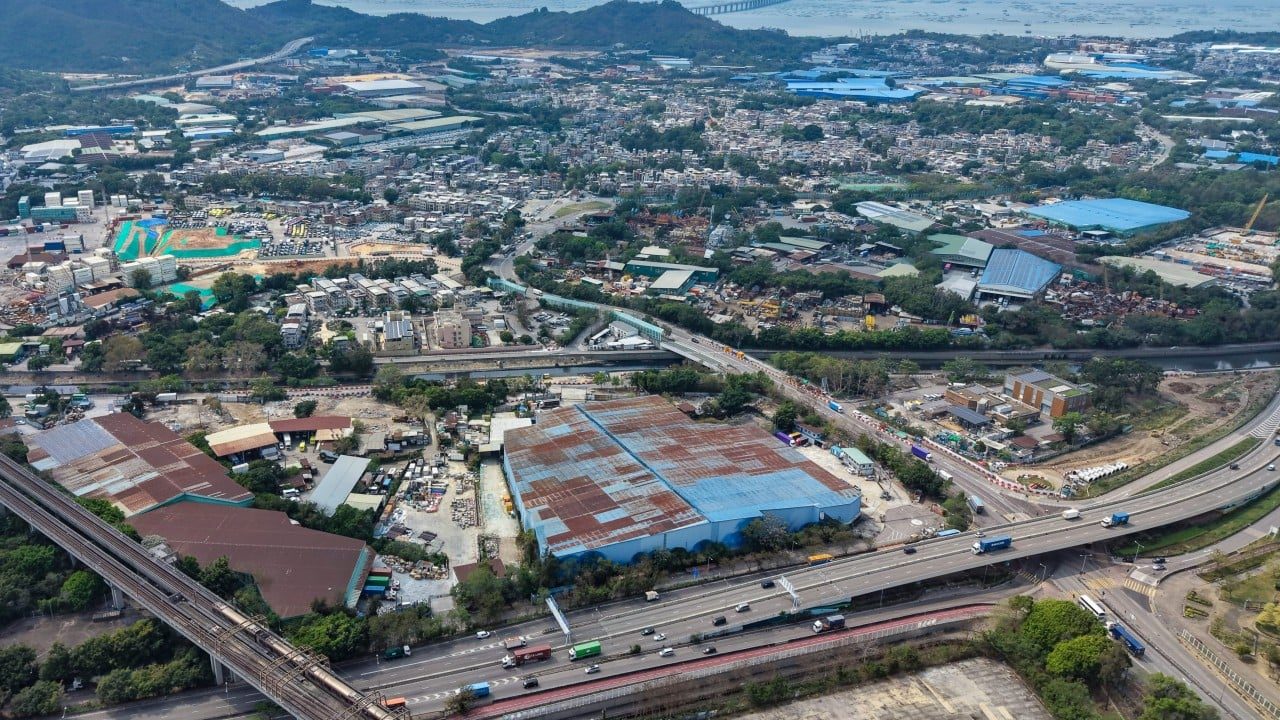
A wave of relocations from brownfield sites in Hong Kong’s New Territories is generating fresh demand for formal industrial property space. This shift is directly linked to land acquisition for the Northern Metropolis project, which is actively displacing existing tenants.
These displaced operations now account for nearly 20 per cent of all new industrial property leases recorded in the city so far this year. Market analysts emphasize that this unexpected uplift in leasing activity has been instrumental in slowing the broader decline in rental prices across the sector.
The scale of the government-driven displacement is substantial and highly structured. Samuel Lai, head of CBRE Hong Kong’s industrial and logistics division, stated that a total of 994 hectares of brownfield land will be acquired for the Northern Metropolis initiative.
This massive acquisition will unfold across four distinct phases. The initial phase, spanning from 2024 to the end of 2026, targets approximately 320 hectares of land, with more than 100 hectares already secured by authorities.
For years, these New Territories brownfield sites provided essential, low-cost operational hubs for storage depots, recycling centres, and scrapyards. The ongoing resumption of this land is fundamentally altering the operational footprint and cost structures of these legacy businesses.
Addressing the market transition, Lai noted that while the majority of displaced brownfield operations seek alternative brownfield sites to maintain their current models, a meaningful segment is transitioning into formal real estate. He stated, “While most brownfield operations displaced by land resumption relocate to other brownfield sites to continue business, some move into urban industrial buildings and compliant logistics warehouses.”
For commercial real estate investors and logistics operators, this structural shift presents a rare stabilizing force. The steady absorption of displaced tenants into compliant warehouses and urban industrial buildings offers a measurable, policy-driven buffer against vacancy risks in Hong Kong’s property market.