Indonesia scraps stock price floor to avert MSCI frontier market demotion
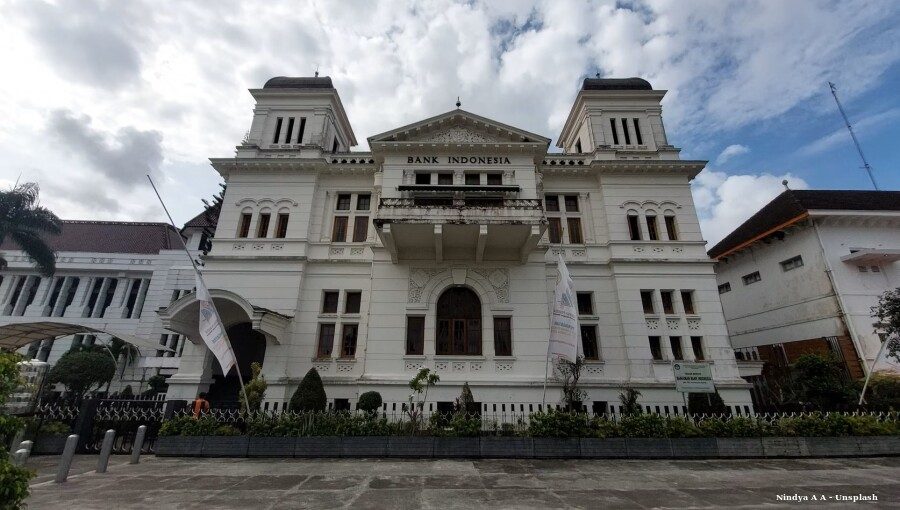
The Indonesia Stock Exchange is abolishing its minimum trading price rule to restore liquidity to frozen stocks and prevent a costly downgrade to frontier market status by MSCI.
The Indonesia Stock Exchange will abolish its minimum trading price rule, lowering the floor to one rupiah. Chief executive Jeffrey Hendrik announced the decision following discussions with market participants and industry associations on August 19. System trials are scheduled for August 22 and 29, with the change targeted to take full effect on September 7.
The IDR50 price floor was introduced over a decade ago to shield retail investors from sharp market declines. Instead, it has paralyzed trading for 111 of the roughly 900 companies in the Jakarta Composite Index, which are currently stuck at or below the IDR50 ($0.0028) threshold. When a share hits this minimum, it attracts no buyers below it and no sellers above it, effectively halting all price movement.
The immediate catalyst for this regulatory reversal was the trading paralysis of GoTo Gojek Tokopedia. The ride-hailing and food-delivery group has been pinned at exactly IDR50 since the start of May amid collapsing trading volumes. Asset managers complained to MSCI that the stock had become untradeable, prompting the index provider to remove GoTo and CPIN from its Global Standard Index on August 13.
Averting a broader demotion to frontier market status is now a critical priority for Indonesia’s $624bn equity market. Losing emerging-market classification would trigger automatic, large-scale selling by passive funds tracking EM benchmarks. Such an outflow would represent a shock the domestic market is simply not large enough to absorb gracefully.
Market professionals view the regulatory shift as a necessary correction to restore proper price discovery. Mohit Mirpuri, a partner at SGMC Capital in Singapore, stated that the move directly addresses market structure concerns raised by MSCI, which should help Indonesia’s case ahead of the next review.
Jakarta has effectively acknowledged that an investor-protection rule rendering a stock untradeable ultimately protects no one. Index providers grade markets on actual price formation rather than regulatory intentions. While some shares can already trade below the threshold via a full call auction mechanism, this comprehensive removal aligns Indonesia with broader regional efforts to tighten market structure, following similar free-float requirement reforms in Malaysia in February.